

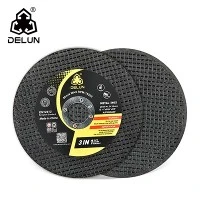
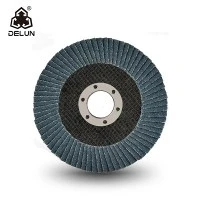


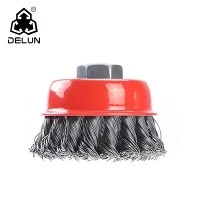
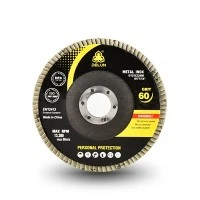
When it comes to grinding discs, one of the most frequently asked questions I encounter as a grinding disc supplier is, "Can I change the grit size of a grinding disc?" This query is not only common among DIY enthusiasts but also professional tradespeople who are looking to optimize their grinding processes. In this blog post, I'll delve into the intricacies of changing grit sizes, exploring the possibilities, limitations, and best practices.
Understanding Grit Size
Before we can answer the question of whether you can change the grit size of a grinding disc, it's essential to understand what grit size means. Grit size refers to the number of abrasive particles per square inch on the surface of the grinding disc. A lower grit number indicates larger abrasive particles, which are typically used for heavy material removal, such as rough shaping or removing thick layers of paint or rust. On the other hand, a higher grit number means smaller abrasive particles, which are ideal for fine finishing and polishing.
Can You Change the Grit Size?
The short answer is yes, you can change the grit size of a grinding disc, but there are several factors to consider. First and foremost, the physical design and construction of the grinding disc play a crucial role. Some grinding discs are designed to be multi-grit, which means they can be used for both coarse and fine grinding. These discs often have a layered or graded structure, where different grit sizes are incorporated into different parts of the disc.
However, for traditional single-grit grinding discs, changing the grit size usually involves replacing the entire disc. This is because the grit is bonded to the disc substrate during the manufacturing process, and it's not feasible to alter the grit size on an existing disc.
Reasons to Change Grit Size
There are numerous reasons why you might want to change the grit size of a grinding disc.
1. Material Type
Different materials require different grit sizes for optimal grinding results. For example, when working with hard materials like stainless steel or concrete, a lower grit disc (e.g., 24 - 60 grit) is often used initially to quickly remove material. As you move towards the finishing stage, you'll switch to a higher grit disc (e.g., 120 - 220 grit) to achieve a smooth surface. On the other hand, softer materials like wood may only require a higher grit disc from the start or a progression from a medium grit to a fine grit for a polished look.
2. Surface Finish Requirements
The desired surface finish is another critical factor. If you're grinding a metal surface for a precision part, you'll need to use a series of grit sizes, starting from coarse to fine, to achieve the required smoothness and surface integrity. A rough surface left by a low - grit disc can lead to premature wear and reduced performance of the part, while a fine - grit finish can enhance its functionality and aesthetics.
3. Efficiency and Productivity
Using the appropriate grit size can significantly improve the efficiency and productivity of your grinding process. A too-fine grit disc on a thick layer of material will take a long time to remove it, while a too-coarse grit disc on a delicate surface can cause excessive damage. By changing the grit size at the right time, you can ensure that you're removing material as quickly as possible without sacrificing quality.
How to Change Grit Size
If you've decided to change the grit size, here are the steps to follow:


1. Select the Right Disc
Based on the material you're working with and the desired surface finish, choose the appropriate grinding disc with the correct grit size. For instance, if you're looking for a high - quality angle grinder disc at a competitive price, you can check out our Competitive Price High Quality Angle Grinder.
2. Safety First
Before changing the disc, make sure the grinder is turned off and unplugged. Wear appropriate personal protective equipment, including safety glasses, gloves, and a dust mask.
3. Remove the Old Disc
Use the appropriate tools to loosen the disc nut or flange. Carefully remove the old grinding disc from the grinder.
4. Install the New Disc
Place the new grinding disc on the grinder spindle, ensuring that it is properly centered. Tighten the disc nut or flange securely, but be careful not to over-tighten.
Limitations and Considerations
While changing the grit size can be beneficial, there are some limitations and considerations.
1. Compatibility
Not all grinders are compatible with all types of grinding discs. Make sure the new disc you're using has the correct diameter, arbor size, and speed rating for your grinder. Using an incompatible disc can lead to dangerous situations, such as the disc flying off during operation.
2. Cost
Changing the grit size often means purchasing new grinding discs, which can add to the overall cost of the project. However, investing in high - quality discs can save you money in the long run by reducing the number of disc changes and improving the quality of your work.
3. Skill Level
Changing the grit size and using different discs requires a certain level of skill and experience. Improper use of grinding discs can result in uneven surfaces, damage to the workpiece, or personal injury. It's important to practice proper grinding techniques and follow the manufacturer's instructions.
Different Types of Grinding Discs and Their Grit Options
There are several types of grinding discs available in the market, each with its own range of grit sizes.
1. Abrasive Grinding Discs
Abrasive grinding discs are the most common type. These discs are available in a wide range of grit sizes, from very coarse (e.g., 16 grit) to extremely fine (e.g., 4000 grit). For more information on abrasive grinding discs, visit our Abrasive Grinding page.
2. Waterproof Silicon Carbide Sandpaper for Wet/Dry Polishing
This type of sandpaper is suitable for both wet and dry polishing applications. It comes in various grit sizes and is often used for finishing tasks on materials like metal, wood, and plastic. Check out our Waterproof Silicon Carbide Sandpaper for Wet/Dry Polishing for more details.
3. Marble 3" 4" 5" Diamond Floor Polishing Pads
When it comes to polishing marble floors, diamond - impregnated pads are the go - to choice. These pads are available in different sizes and grit levels, allowing you to achieve a high - gloss finish on marble surfaces. If you're interested in these pads, take a look at our Marble 3" 4" 5" Diamond Floor Polishing Pads.
4. Concrete Floor Wet Use Pad
Concrete floors often require wet grinding and polishing for a smooth finish. Our Concrete Floor Wet Use Pad is designed specifically for this purpose and comes in a variety of grit sizes to meet different project requirements.
Conclusion
In conclusion, changing the grit size of a grinding disc is not only possible but also an essential part of achieving the best grinding results. By understanding the factors that influence grit size selection, following the proper safety procedures, and using the right type of grinding disc, you can optimize your grinding process and produce high-quality work.
If you're in the market for grinding discs or have any questions about grit size or grinding disc selection, don't hesitate to contact us. We're here to help you find the perfect solution for your grinding needs. Whether you're a professional tradesperson or a DIY enthusiast, we have the expertise and products to support your projects.
References
- American National Standards Institute. (2016). Safety requirements for the use, care, and protection of abrasive wheels.
- Spencer, D. (2018). Abrasive Technology Handbook. Industrial Press.