



As a seasoned supplier of Abrasive Flap Wheels, I've witnessed firsthand the pivotal role that heat resistance plays in determining the performance of these essential tools. In the world of metalworking, woodworking, and various other industries, Abrasive Flap Wheels are the unsung heroes, shaping, grinding, and polishing materials with precision and efficiency. However, their ability to withstand heat can significantly impact their effectiveness, longevity, and the quality of the work they produce.
The Science Behind Heat Generation in Abrasive Flap Wheels
Before delving into how heat resistance affects performance, it's crucial to understand how heat is generated during the operation of an Abrasive Flap Wheel. When the wheel comes into contact with the workpiece, friction is created. This friction converts mechanical energy into thermal energy, causing the temperature of the wheel and the workpiece to rise. The amount of heat generated depends on several factors, including the hardness of the workpiece, the pressure applied, the speed of the wheel, and the type of abrasive material used.


For instance, when grinding a hard metal like stainless steel, more heat is generated compared to grinding a softer material like aluminum. Similarly, applying excessive pressure or running the wheel at high speeds can also lead to a significant increase in temperature. If the heat generated is not managed effectively, it can have detrimental effects on the performance of the Abrasive Flap Wheel.
Impact of Heat on Abrasive Flap Wheel Performance
Abrasive Grain Wear
One of the most immediate effects of excessive heat is accelerated abrasive grain wear. Abrasive grains are the cutting edges of the flap wheel, and they gradually wear down as they come into contact with the workpiece. However, high temperatures can cause the grains to become dull more quickly. This is because the heat can alter the structure of the abrasive material, making it more brittle and prone to fracturing. As a result, the wheel loses its cutting ability, and the user has to apply more force to achieve the same level of material removal. This not only reduces the efficiency of the grinding process but also increases the risk of overheating and damage to the workpiece.
Bonding Agent Degradation
The bonding agent is what holds the abrasive grains together on the flap wheel. It plays a crucial role in maintaining the integrity of the wheel and ensuring that the grains are evenly distributed. However, excessive heat can cause the bonding agent to degrade. This can lead to the premature release of abrasive grains, resulting in a loss of cutting power and a decrease in the wheel's lifespan. Moreover, if the bonding agent fails completely, the wheel can disintegrate, posing a safety hazard to the user.
Workpiece Damage
Heat generated during the grinding process can also have a negative impact on the workpiece. High temperatures can cause the material to undergo thermal expansion, which can lead to dimensional changes and distortion. In addition, excessive heat can cause the surface of the workpiece to harden or develop a heat-affected zone, which can affect its mechanical properties and make it more difficult to machine or finish. For example, in the case of stainless steel, overheating can cause discoloration and the formation of oxide layers, which can compromise the corrosion resistance of the material.
The Importance of Heat Resistance in Abrasive Flap Wheels
Given the potential negative effects of heat on Abrasive Flap Wheel performance and workpiece quality, heat resistance is a critical property. A heat - resistant Abrasive Flap Wheel is designed to dissipate heat effectively, preventing the build-up of excessive temperatures during operation. This not only helps to maintain the cutting ability of the wheel but also extends its lifespan.
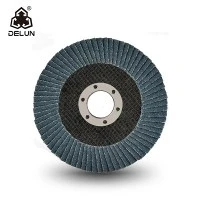
Heat-resistant wheels are typically made with high-quality abrasive materials and advanced bonding agents that can withstand high temperatures without significant degradation. For example, AluminiumOxide Abrasive Flap Disc 125mm is known for its excellent heat resistance. Aluminium oxide is a hard and durable abrasive material that can maintain its cutting edge even under high - heat conditions. The advanced bonding agents used in these discs ensure that the abrasive grains remain firmly attached, reducing the risk of premature grain loss.
Factors Affecting Heat Resistance
Several factors contribute to the heat resistance of an Abrasive Flap Wheel.
Abrasive Material
The choice of abrasive material is one of the most important factors. Different abrasive materials have different heat resistance properties. For example, ceramic aluminum oxide is more heat-resistant than conventional aluminum oxide. It can withstand higher temperatures without losing its hardness and cutting ability. Cubic boron nitride (CBN) is another extremely heat-resistant abrasive material, often used for grinding hard and high - temperature alloys.
Bonding Agent
As mentioned earlier, the bonding agent plays a crucial role in heat resistance. Resin bonds are commonly used in Abrasive Flap Wheels because they offer good heat resistance and can hold the abrasive grains firmly. Some advanced resin bonds are specifically formulated to withstand high temperatures, reducing the risk of degradation and grain loss.
Wheel Design
The design of the Abrasive Flap Wheel can also affect its heat resistance. Wheels with a more open structure allow for better air circulation, which helps to dissipate heat. Additionally, the shape and arrangement of the flaps can influence heat distribution. For example, wheels with tapered flaps may have better heat-dissipation characteristics compared to those with flat flaps.
How Heat - Resistant Abrasive Flap Wheels Improve Performance
Heat - resistant Abrasive Flap Wheels offer several advantages that translate into improved performance.
Higher Cutting Efficiency
Since heat-resistant wheels can maintain their cutting ability even at high temperatures, they can remove material more quickly and efficiently. This means that users can complete their grinding and polishing tasks in less time, increasing productivity. For example, the Abrasive Flexible Flap Disc is designed to be heat - resistant, allowing it to cut through tough materials with ease.
Longer Lifespan
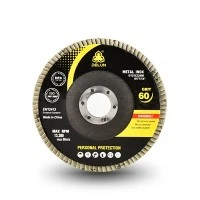
By reducing abrasive grain wear and bonding agent degradation, heat-resistant wheels have a longer lifespan. This means that users don't have to replace the wheels as frequently, reducing costs in the long run. The 7inch 180mm Flap Disc For Polishing is known for its excellent durability, thanks in part to its heat-resistant properties.
Improved Workpiece Quality
Heat - resistant Abrasive Flap Wheels also help to improve the quality of the workpiece. By minimizing the risk of overheating, they reduce the chances of thermal damage, such as discoloration, distortion, and hardening. This results in a smoother, more consistent finish.
Real-World Applications
In various industries, the heat resistance of Abrasive Flap Wheels is of utmost importance.
Metalworking
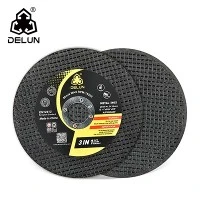
In metal fabrication and machining, Abrasive Flap Wheels are used for tasks such as deburring, grinding, and polishing. When working with hard metals like titanium or high-strength steel, a heat-resistant wheel is essential to prevent overheating and ensure a high - quality finish. For example, the DELUN High Quality Flap Wheel is widely used in metalworking shops for its ability to withstand the high heat generated during metal grinding.
Woodworking
In woodworking, Abrasive Flap Wheels are used for sanding and shaping wooden surfaces. Although wood generates less heat compared to metal, heat resistance is still important, especially when working with dense woods or at high speeds. A heat-resistant wheel can prevent the wood from burning or charring, resulting in a smooth and even finish.
Conclusion
In conclusion, the heat resistance of an Abrasive Flap Wheel has a profound impact on its performance. It affects everything from the cutting efficiency and lifespan of the wheel to the quality of the workpiece. As a supplier, we understand the importance of providing high -quality, heat-resistant Abrasive Flap Wheels to our customers. Products like 7inch Flap Disc DELUN For Polishing are designed to meet the demanding requirements of various industries.
If you're in the market for Abrasive Flap Wheels and want to learn more about our heat-resistant products, we invite you to reach out and engage in a procurement discussion. Whether you're a small workshop or a large industrial enterprise, we have the expertise and the product range to meet your needs.
References
- Richardson, B. (2018). Abrasive Materials and Their Applications. Wiley-VCH.
- Smith, J. (2019). Handbook of Grinding Technology. CRC Press.
- Miller, R. (2020). The Science of Abrasives: A Comprehensive Guide. Elsevier.