



Figuring out what size wire brush to use for a small project can be a bit of a head-scratcher. As a wire brush supplier, I've seen all sorts of projects and know how crucial it is to pick the right size. Let's dig into this topic and see how you can make the best choice for your small- scale tasks.
Understanding the Basics of Wire Brush Sizes
Wire brushes come in a wide range of sizes, which are typically determined by the diameter of the brush head and the length of the bristles. For small projects, you're usually looking at brushes with smaller diameters and shorter bristles. Why? Well, smaller diameters give you more precision, and shorter bristles can provide better control.
Let's say you're working on a small metal sculpture. You need to clean and polish some intricate details. A large-sized wire brush would be too clumsy and might damage the delicate parts. In this case, a brush with a diameter of around 1-2 inches would be much more appropriate. It allows you to get into those tight spaces and work on the fine details without causing any unwanted scratches.
Factors to Consider When Choosing a Wire Brush Size
Project Type
The type of project you're working on is a major factor. If it's a woodworking project, like cleaning the grooves on a small wooden box, you'll need a different size brush compared to a metal-cleaning project. For wood, a brush with softer bristles and a smaller, more flexible head can help you avoid damaging the wood fibers. A 1.5-inch diameter brush might do the trick.
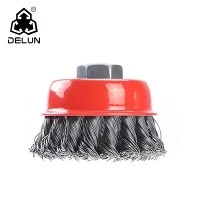
On the other hand, if you're dealing with rust removal on a small metal tool, you'll want a more robust brush. A slightly larger diameter, say 2-2.5 inches, can cover more surface area and remove the rust more efficiently. You can check out our Twisted Steel Wire Brush Red, which is great for metal cleaning tasks. It comes in different sizes to suit various small projects.
Surface Area
The size of the surface you're working on also matters. If you're just touching up a small spot, like the hinge of a door, a tiny 1-inch wire brush will be ideal. It gives you the precision needed to work on that specific area without getting in the way of the surrounding parts.
However, if you're cleaning a small metal plate or a flat surface, a larger 2.5-inch brush can be more time-efficient. It covers more ground in one stroke, reducing the overall time spent on the project. Our 2.5inch Twisted With Shaft Cup Brush is perfect for such flat-surface cleaning tasks.
Accessibility
How easy it is to reach the area you're working on can influence your brush size choice. If you're working in a tight corner or a narrow gap, a small, slender wire brush is a must. You might want to consider a brush with a long, thin handle and a 1-inch diameter head. This way, you can maneuver it easily into those hard-to-reach places.
Popular Wire Brush Sizes for Small Projects
1-inch Diameter Brushes
These are super versatile for small projects. They're great for detailed work, like cleaning the inside of small pipes or removing debris from the teeth of a small saw blade. They're also handy for jewelry making, where you need to clean and polish small metal pieces. Check out our Twisted Metal Wire Polishing Brush in a 1-inch size for such delicate tasks.
1.5-inch Diameter Brushes
This size is a good middle-ground. It's more powerful than the 1-inch brush but still offers decent precision. You can use it for tasks like cleaning the surface of a small wooden carving or removing light rust from small metal parts.
2-inch Diameter Brushes
If you're working on a slightly larger small-scale project, like cleaning a small engine part or prepping a metal surface for painting, a 2-inch brush can be a solid choice. It provides a good balance between coverage and control.
2.5-inch Diameter Brushes
These are great for flat - surface cleaning on small objects. For example, if you're cleaning a small metal panel or polishing the surface of a small tabletop, a 2.5-inch Twisted Shaft Cup Wire Wheel Brush 2.5inch can do the job quickly and efficiently.
Matching the Right Brush to Your Project
Let's look at a few real-life examples to illustrate how to match the brush size to the project.
Example 1: Cleaning a Small Jewelry Piece
Suppose you have a small silver pendant that has some tarnish on it. You'll want a 1-inch wire brush. Its small size allows you to get into all the nooks and crannies of the pendant without scratching the delicate metal. Our DELUN Hot Sell Twisted Cup Brush For Polishing in a 1- inch size is perfect for this kind of jewelry-cleaning task.
Example 2: Rust Removal on a Small Bike Chain
A 2-inch wire brush would be a good fit here. The chain has multiple links and small spaces between them. A 2-inch brush can cover a decent area of the chain at once while still being able to get in between the links to remove the rust effectively.
Example 3: Cleaning a Small Wooden Picture Frame
For this project, a 1.5-inch brush with softer bristles is ideal. It can clean the grooves and edges of the frame without damaging the wood. You can gently scrub away any dirt or debris that has accumulated over time.
Conclusion and Call to Action
Choosing the right size wire brush for your small project is all about considering the project type, surface area, and accessibility. By understanding these factors and matching them to the appropriate brush size, you can ensure that your project goes smoothly and you get the best results.


We offer a wide range of wire brushes in different sizes to meet all your small-project needs. Whether you're a DIY enthusiast or a professional craftsman, we've got the perfect brush for you. If you're interested in purchasing our high-quality wire brushes or have any questions, feel free to reach out. We're always here to help you make the right choice and get the best tools for your projects.
References
- General knowledge from years of experience as a wire brush supplier.
- Industry standards and best practices for wire brush usage in small-scale projects.