



Hey there! As a supplier of Flap Disk 115, I often get asked if these little bad-boys are environmentally friendly. So, I thought I'd break it down for you in this blog post.
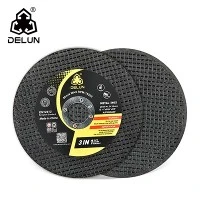
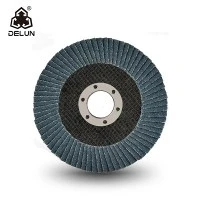
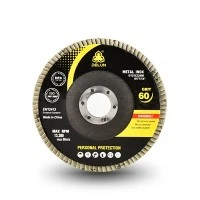
First off, let's talk a bit about what a Flap Disk 115 is. It's a type of abrasive tool with a diameter of 115mm, and it's used for grinding, deburring, and finishing metals and other materials. They're super popular in industries like fabrication, automotive, and metalworking. But are they kind to our planet?
Materials and Manufacturing
The materials used in Flap Disk 115 play a big role in determining their environmental friendliness. Most flap disks are made of abrasive grains glued to a backing material. The common abrasive grains include aluminum oxide, silicon carbide, and zirconia alumina.
Aluminum oxide is one of the most widely used abrasives. It's relatively abundant in nature, which is a point in its favor. The mining of bauxite, the main source of aluminum oxide, does have some environmental impacts, such as habitat destruction and water pollution. However, modern mining techniques are getting better at minimizing these effects.
Silicon carbide is another option. It's made through a high-temperature process that involves using large amounts of energy. While the end product is very hard and durable, the energy consumption during production is a concern for the environment.
Zirconia alumina is a tough material that offers excellent cutting performance. But the extraction and processing of zirconium can be resource-intensive and may generate waste.
The backing material is usually made of paper, cloth, or a combination of both. Paper is a renewable resource, but the production of paper involves cutting down trees and using chemicals in the pulping process. Cloth, especially synthetic cloth, may come from non-renewable resources like petroleum.
When it comes to manufacturing, the process of gluing the abrasive grains to the backing requires adhesives. Some of these adhesives contain volatile organic compounds (VOCs), which can be harmful to the environment and human health when released into the air. However, many manufacturers are now switching to low-VOC or VOC-free adhesives to reduce the environmental impact.


Usage and Lifespan
One aspect that affects the environmental friendliness of Flap Disk 115 is its usage and lifespan. A high-quality flap disk can last longer, which means fewer replacements are needed. This reduces the overall consumption of materials and energy associated with manufacturing and transporting new disks.
For example, our OEM 4 Inch Abrasive Flap Disc For Metal and 4.5 INCH FLAP DISC:EXCELLENT PERFORMANCE are designed to have a long lifespan. They're made with high-quality abrasives and backing materials, so they can withstand heavy-duty use without wearing out quickly. This not only saves you money in the long run but also reduces waste.
On the other hand, if a flap disk is of poor quality, it may need to be replaced frequently. This leads to more waste and higher resource consumption. So, when you're looking for a flap disk, it's important to choose a reliable supplier like us to ensure you're getting a product that will last.
Disposal
When a Flap Disk 115 reaches the end of its life, proper disposal is crucial for the environment. Since they contain abrasive grains and adhesives, they can't be disposed of in regular trash.
If the flap disk is made of metal-backed materials, it can sometimes be recycled through metal recycling programs. However, the abrasive grains and adhesives may need to be separated first, which can be a challenging and costly process.
For paper or cloth-backed flap disks, they may be considered hazardous waste if they contain chemicals from the adhesives. In some areas, there are specialized recycling facilities that can handle these types of products. But in many places, they end up in landfills, where they can take a long time to decompose.
We're constantly working on finding better ways to make our Flap Disc 4.5 Inch Alumina Zirconia and 5inch Flap Disc For Grinding more recyclable. We're researching new materials and manufacturing processes that will make it easier to separate the components at the end of the product's life.
Our Efforts Towards Environmental Friendliness
As a supplier, we're committed to reducing the environmental impact of our Flap Disk 115. We've started to source materials from more sustainable suppliers. For example, we're using recycled backing materials whenever possible, and we're looking for abrasives that are extracted using more environmentally friendly methods.
We're also working on improving our manufacturing processes to reduce energy consumption and emissions. We've installed energy- efficient equipment in our factory, and we're constantly monitoring and optimizing our production lines to minimize waste.
Our Flap Disc 115mm Blue Zirconia is one of our eco-friendly products. We've used a low-VOC adhesive to glue the abrasive grains to the backing, which reduces air pollution during the manufacturing process. And we're packaging it in recyclable materials to further reduce our environmental footprint.
Conclusion
So, is Flap Disk 115 environmentally friendly? Well, it's not a simple yes or no answer. There are definitely some environmental challenges associated with the materials, manufacturing, usage, and disposal of flap disks. But with advancements in technology and a growing awareness of environmental issues, we're making progress in reducing the impact.
At our company, we're doing our best to make our Flap Disk 115 as eco-friendly as possible. We believe that by working together, we can find solutions that benefit both our customers and the environment.
If you're interested in purchasing Flap Disk 115 or any of our other products, we'd love to have a chat with you about your needs. We can provide you with more information on our environmentally friendly options and help you make the best choice for your business.
References
- "Abrasive Materials and Their Applications" -A textbook on abrasive manufacturing and properties.
- "Environmental Impact of Industrial Manufacturing Processes" - A research paper on the environmental effects of manufacturing industries.
- Various industry reports on the use and disposal of abrasive products.