



Hey there! As a supplier of Thin Cutting Discs, I often get asked if our thin cutting discs are suitable for cutting tungsten. Well, let's dive right into this topic and find out.
First off, let's talk a bit about tungsten. Tungsten is one tough cookie. It has an extremely high melting point, which is around 3422°C (6192°F). That's seriously hot! It's also incredibly dense and has remarkable hardness. This makes tungsten a popular choice in a lot of industries, like aerospace for parts that need to withstand high temperatures and high-stress environments, and in the manufacturing of electrical contacts because of its excellent electrical conductivity.
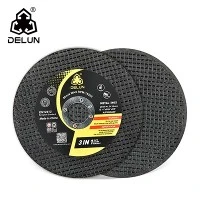
Now, let's take a look at thin cutting discs. These are sharp, super-thin discs that are designed to make precise and efficient cuts. They're made from different materials, like abrasive grains bonded together with a resin or metal matrix. The thin design allows for minimal material loss during cutting, and they can cut through various materials pretty quickly. So, can they cut through tungsten?
Let's start with the advantages. Thin cutting discs have a few things going for them when it comes to tackling tungsten. The thinness of the disc means that it uses less energy to cut through the material. With tungsten being so hard, this can be a real plus. Less energy consumption can lead to less wear and tear on the cutting equipment, which means longer tool life. And because the cut is thinner, there's less material removed, which can save on precious tungsten if you're working on a project where every bit counts.
Another advantage is speed. Thin cutting discs can make relatively quick cuts. If you've got a production line that needs to cut through tungsten pieces, time is money. These discs can help you get the job done faster, increasing your overall productivity.
But it's not all rainbows and unicorns. There are some challenges to using thin cutting discs for tungsten. Remember that high melting point I mentioned earlier? Well, when you're cutting through tungsten, all that friction generates a ton of heat. And thin cutting discs can struggle to dissipate this heat effectively. If the disc overheats, the abrasive grains can lose their sharpness quickly, and the bonding material can break down. This leads to a shorter lifespan for the disc and a less clean cut.
Also, tungsten's hardness means that it can be pretty rough on the cutting disc. The disc needs to be durable enough to withstand the intense pressure and abrasion. If the disc isn't up to the task, it can crack or shatter during the cutting process, which is not only bad for the disc but could also pose a safety risk to the operator.
So, what should you do if you're thinking about using thin cutting discs to cut tungsten?
First, choose the right type of thin cutting disc. Make sure it's made with high-quality abrasive grains that can handle the hardness of tungsten. For example, discs with silicon carbide or diamond abrasive grains are quite hard and can be a good choice. Our Cutting Disc 4inch in High Performance is designed to be tough and can potentially handle tungsten cutting if used correctly.
Second, pay attention to the cutting speed. You can't just go full throttle when cutting tungsten. A slower cutting speed can help manage the heat generated during the process. This gives the disc more time to dissipate the heat and reduces the risk of overheating and premature wear.
Third, use proper cooling. You can use a coolant or a lubricant to keep the cutting area cool. This not only helps with heat dissipation but also reduces the friction between the disc and the tungsten, making the cut smoother and extending the life of the disc.


Now, let's look at some real - world applications. In the jewelry industry, tungsten is used to make rings and other accessories. Thin cutting discs can be used to cut and shape the tungsten into the desired forms. The precision of the thin disc is perfect for creating detailed designs. Our Stainless Steel Cut Off Wheel can also be considered for these applications, as it offers good cutting performance.
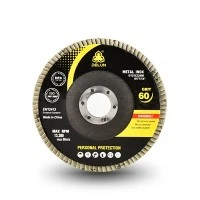
In the manufacturing of high - tech components, like in the electronics industry, tungsten parts need to be cut to very specific sizes. Thin cutting discs can provide the accuracy needed for these delicate operations. The EN12413 Cutting Disc meets certain safety and performance standards, which is important when working on precision projects.
If you're in the construction or heavy - duty manufacturing sector, and you need to cut larger pieces of tungsten, our 14 inch Cut Off Wheel for Stainless Steel can be a great option. It has a larger cutting area and can handle more substantial workloads.
In conclusion, thin cutting discs can be suitable for cutting tungsten, but it's not without its challenges. With the right choice of disc, proper cutting techniques, and adequate cooling, you can achieve good results. If you're in the market for high - quality thin cutting discs for your tungsten - cutting needs, we're here to help. Whether you're a small - scale jeweler or a large - scale manufacturer, our range of cutting discs can meet your requirements.
If you're interested in learning more about our products or want to discuss your specific cutting needs, don't hesitate to reach out. We're always happy to have a chat and find the best solution for you. Let's work together to make your cutting projects a success!
References:
- "Materials Science and Engineering: An Introduction" by William D. Callister Jr. and David G. Rethwisch
- Industry reports on cutting tool technology and applications