



When it comes to metalworking, metal cut off wheels are indispensable tools. They are widely used in various industries for cutting different types of metals. As a supplier of metal cut off wheels, I often receive inquiries from customers about the performance and potential issues of these products. One common question that comes up is: Are there any noise issues when using metal cut off wheels? In this blog post, I will delve into this topic and provide some insights based on my experience and knowledge in the field.
Understanding the Nature of Noise in Metal Cutting
Noise is an inevitable by-product of the metal cutting process. When a metal cut off wheel rotates at high speed and comes into contact with the metal workpiece, several factors contribute to the generation of noise.
- Friction and Vibration: The primary source of noise is the friction between the cutting wheel and the metal. As the wheel grinds through the metal, it creates a high-frequency vibration. This vibration is transferred to the surrounding air, producing sound waves. The intensity of the friction depends on various factors such as the hardness of the metal, the speed of the cutting wheel, and the pressure applied during the cutting process.
- Wheel Design and Construction: The design and construction of the metal cut off wheel also play a significant role in noise generation. Wheels with a non-uniform structure or poor balance can cause uneven rotation, leading to increased vibration and noise. Additionally, the type of abrasive material used in the wheel can affect the noise level. Some abrasives may generate more noise due to their cutting characteristics.
Factors Affecting Noise Levels
- Wheel Size: Larger wheels generally produce more noise than smaller ones. This is because larger wheels have a greater surface area in contact with the metal, resulting in more friction and vibration. For example, a 9 Inch Cutting Wheel For Metal And Stainless Steel With Best Performance will likely generate more noise compared to a 4-inch wheel.
- Cutting Speed: The speed at which the cut off wheel rotates has a direct impact on the noise level. Higher cutting speeds lead to more intense friction and vibration, thus increasing the noise. However, it is important to note that cutting at a very low speed may also cause problems as it can result in a less efficient cutting process and potentially more uneven wear on the wheel.
- Metal Type: Different metals have different hardness and density, which affect the noise generated during cutting. Harder metals, such as stainless steel, require more force to cut through, resulting in higher friction and more noise. Softer metals, on the other hand, may produce relatively less noise.
Noise Reduction Measures
As a supplier, I understand the importance of reducing noise in the workplace. Here are some measures that can be taken to minimize the noise issues when using metal cut off wheels:
- Proper Wheel Selection: Choosing the right metal cut off wheel for the specific application is crucial. Wheels with a balanced design and high - quality abrasive materials can help reduce vibration and noise. For instance, our Metal Cut Off Disc for Angle Grinder is designed to provide a smooth and quiet cutting experience.
- Optimal Cutting Parameters: Adjusting the cutting speed and pressure according to the metal type and wheel specifications can significantly reduce noise. It is recommended to follow the manufacturer's guidelines for the best results.
- Use of Noise - Reducing Equipment: Wearing ear protection, such as earplugs or earmuffs, is a simple yet effective way to protect the operator from excessive noise. Additionally, using noise-dampening enclosures or barriers around the cutting area can help contain the noise and reduce its impact on the surrounding environment.
Our Product Range and Noise Performance
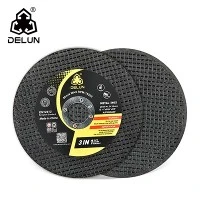
We offer a wide range of metal cut off wheels, each designed to meet different cutting requirements. Our DELUN 4inch Metal Cut Off Wheels with MPA are known for their excellent cutting performance and relatively low noise levels. These wheels are made with high- quality abrasives and a well-balanced design, ensuring a smooth and quiet cutting process.
The 4inch Cutting Wheel Disc For Metal and 4.5" Metal Cut Off Wheels are also popular choices among our customers. They are suitable for a variety of metal cutting applications and are engineered to minimize noise and vibration.
Conclusion
In conclusion, while there are indeed noise issues associated with using metal cut off wheels, these issues can be effectively managed through proper wheel selection, optimal cutting parameters, and the use of noise-reducing equipment. As a supplier, we are committed to providing high-quality metal cut off wheels that not only offer excellent cutting performance but also minimize noise and vibration.


If you are interested in our metal cut off wheels or have any questions about noise reduction in metal cutting, please feel free to contact us for further discussion and procurement. We look forward to working with you to meet your metalworking needs.
References
- "Handbook of Metal Cutting and Machine Tools" by Peter Childs
- "Metal Cutting Principles" by M. C. Shaw