




Vibration levels are a crucial aspect to consider when using metal cutting discs, which can significantly impact the cutting process, tool lifespan, and operator safety. As a trusted supplier of metal cutting discs, we understand the importance of providing in - depth knowledge about the vibration levels associated with these products.


Understanding Vibration in Metal Cutting Discs
Vibration in metal cutting discs occurs due to a combination of factors during the cutting operation. When the disc rotates at high speeds and comes into contact with the metal workpiece, various forces are generated. The unevenness of the metal surface, differences in hardness, and the cutting speed all contribute to the vibration. For example, if the metal has a rough or irregular surface, the disc may experience sudden jolts as it cuts through the high and low points.
The design of the cutting disc itself also plays a vital role in vibration levels. A poorly balanced disc will tend to vibrate more. The distribution of the abrasive material, the thickness of the disc, and the quality of its construction can all affect its balance. If the abrasive particles are not evenly distributed, it can cause an imbalance during rotation, leading to increased vibration.
Measuring Vibration Levels
Vibration levels are typically measured in terms of acceleration, which is expressed in units of meters per second squared (m/s²). Specialized vibration sensors can be attached to the cutting tool or the machine to accurately measure these levels. The measurement is usually taken at different points during the cutting process, such as at the start, middle, and end of a cut.
Industry standards have been established to define acceptable vibration levels for different types of cutting operations. For example, in general metal cutting applications, a vibration acceleration level of less than 2 m/s² is often considered acceptable. However, for more precision - based cutting tasks, such as those involving thin-walled metals or high-value components, the acceptable vibration levels may be even lower, around 1 m/s² or less.
Impact of High Vibration Levels
High vibration levels can have several negative consequences. Firstly, it can reduce the lifespan of the cutting disc. Excessive vibration causes the abrasive particles to wear out more quickly and can also lead to cracks or fractures in the disc. This not only means more frequent disc replacements but also increases the cost of the cutting operation in the long run.
Secondly, high vibration levels can affect the quality of the cut. The vibrations can cause the cut to be uneven, with rough edges and a poor surface finish. This is a significant problem, especially in applications where the dimensional accuracy and surface quality of the cut are critical, such as in the manufacturing of precision parts.
From a safety perspective, high-level vibrations can be a hazard to the operator. Prolonged exposure to high - intensity vibrations can lead to hand-arm vibration syndrome (HAVS). HAVS is a set of disorders that can cause numbness, tingling, and pain in the hands and arms, and in severe cases, it can lead to permanent damage to the nerves, blood vessels, and muscles.
Controlling Vibration Levels
To control vibration levels when using metal cutting discs, several strategies can be employed. One of the most important is ensuring proper disc installation. The disc must be installed correctly on the cutting machine, and the arbor nut must be tightened to the recommended torque. A loose or incorrectly installed disc will vibrate more during operation.
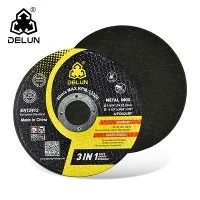
Selecting the right cutting disc for the specific application is also crucial. For example, if you are cutting a thick piece of steel, a 4.5" Metal Cut Off Wheels with a suitable abrasive grade and thickness should be chosen. The right disc will be able to cut through the metal smoothly, reducing the chances of excessive vibration.
Maintaining the cutting machine is another key factor. Regular checks of the machine's bearings, spindle, and other moving parts can ensure that they are in good working condition. Worn-out bearings can cause excessive vibration, so replacing them promptly is essential.
Vibration Levels in Different Types of Metal Cutting Discs
General Metal Cut Off Wheels
General Metal Cut Off Wheels are designed for a wide range of metal cutting applications. These wheels typically have a medium - vibration level during normal operation. The vibration levels can be influenced by factors such as the cutting speed and the type of metal being cut. For example, cutting through a hard alloy steel may result in higher vibration levels compared to cutting through a softer mild steel.
Large-Sized Cutting Discs
14 inch Cut Off Wheel for Stainless Steel and other large-sized cutting discs tend to have different vibration characteristics. Due to their larger diameter, they may generate more force during rotation, which can lead to higher vibration levels if not properly balanced. However, modern manufacturing techniques have allowed for better balancing of these large discs, reducing the vibration to an acceptable level in most cases.
Specialty Metal Cutting Discs
Specialty discs such as DELUN 5 inch Metal Cut Off Wheels For Metal are designed for specific applications. They often feature advanced materials and designs to minimize vibration. For example, some specialty discs use a special layer of dampening material to absorb the vibrations generated during cutting, resulting in a smoother and more stable cutting process.
Thin Cutting Discs
Thin Cutting Discs are commonly used for precision cutting. These discs are generally more prone to vibration due to their thin profile. However, they are also designed to be very lightweight and balanced to reduce the impact of vibration on the cutting process. The thinness of the disc allows for a more precise cut, but it also requires careful handling to keep the vibration levels under control.
Choosing the Right Disc to Manage Vibration
When choosing a metal cutting disc, it is essential to consider the vibration levels. Look for discs that are manufactured to high - quality standards and are well - balanced. Reputable manufacturers often provide information about the vibration levels of their products. Reading product reviews and consulting with experts can also help in making an informed decision.
It is also important to match the disc to the cutting machine. The machine's power, speed range, and compatibility with different disc sizes all play a role in determining the vibration levels during cutting.
Contact Us for Your Metal Cutting Disc Needs
At our company, we are committed to providing high-quality metal cutting discs that not only offer excellent cutting performance but also minimize vibration levels. Our extensive range of products, including 4.5" Metal Cut Off Wheels, Metal Cut Off Wheels, 14 inch Cut Off Wheel for Stainless Steel, DELUN 5 inch Metal Cut Off Wheels For Metal, and Thin Cutting Discs, are designed and manufactured to meet the diverse needs of our customers.
If you are looking for reliable metal cutting discs and want to learn more about how to manage vibration levels in your cutting operations, we invite you to contact us. Our team of experts is ready to provide you with detailed information, product samples, and support to help you make the best choice for your specific requirements. Start a conversation with us today and take your metal cutting processes to the next level.
References
- American National Standards Institute (ANSI). Safety requirements for the use, care, and protection of abrasive wheels.
- International Organization for Standardization (ISO). Standards related to the performance and safety of cutting tools.
- Technical literature from leading manufacturers of metal cutting discs.