


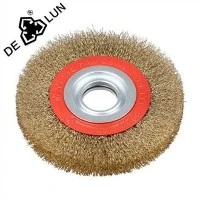

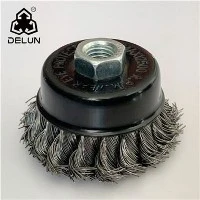

A wire brush is an essential tool in various industries, including metalworking, woodworking, and construction. Over time, these brushes accumulate debris, rust, and other contaminants that can affect their performance. Cleaning a wire brush with a pressure washer is an effective way to restore its functionality and extend its lifespan. As a wire brush supplier, I've seen firsthand the benefits of proper brush maintenance, and I'm excited to share my insights on how to clean a wire brush using a pressure washer.
Why Clean Your Wire Brush?
Before diving into the cleaning process, it's important to understand why regular cleaning is crucial for your wire brush. A dirty brush can lead to several issues:
- Reduced Efficiency: Debris and contaminants can clog the brush wires, reducing their ability to effectively clean or abrade surfaces. This can result in longer cleaning times and less satisfactory results.
- Premature Wear: When a brush is clogged, the wires are forced to work harder, which can lead to premature wear and breakage. Regular cleaning helps to prevent this, ensuring that your brush lasts longer.
- Contamination Transfer: If a dirty brush is used on different surfaces, it can transfer contaminants from one surface to another. This can be particularly problematic in industries where cleanliness is critical, such as food processing or electronics manufacturing.
Choosing the Right Pressure Washer
The first step in cleaning a wire brush with a pressure washer is to choose the right equipment. Here are some factors to consider:
- Pressure: The pressure of the washer is measured in pounds per square inch (PSI). For cleaning wire brushes, a pressure of 1000 - 2000 PSI is generally sufficient. Higher pressure can damage the brush wires, so it's important to choose a washer with adjustable pressure settings.
- Flow Rate: The flow rate of the washer is measured in gallons per minute (GPM). A higher flow rate can help to remove debris more quickly, but it can also increase water consumption. For cleaning wire brushes, a flow rate of 1.5 - 2.5 GPM is usually adequate.
- Nozzle Type: Different nozzle types produce different spray patterns and pressures. For cleaning wire brushes, a fan nozzle or a turbo nozzle is recommended. A fan nozzle produces a wide, flat spray pattern, which is ideal for covering a large area quickly. A turbo nozzle produces a high - pressure, rotating spray pattern, which can be more effective at removing stubborn debris.
Preparing the Wire Brush
Before using the pressure washer, you need to prepare the wire brush. Here's how:

- Remove Loose Debris: Use a stiff brush or a compressed air gun to remove any loose debris from the brush. This will make the pressure washing process more effective.
- Inspect the Brush: Check the brush for any signs of damage, such as broken wires or a loose handle. If the brush is damaged, it may need to be repaired or replaced before cleaning.
- Secure the Brush: If possible, secure the brush in a vice or clamp to prevent it from moving during the cleaning process. This will make it easier to direct the pressure washer spray at the brush.
Cleaning the Wire Brush with a Pressure Washer
Once you've prepared the brush and the pressure washer, you're ready to start cleaning. Follow these steps:
- Adjust the Pressure and Nozzle: Set the pressure washer to the appropriate pressure and select the nozzle type. Start with a lower pressure and gradually increase it if necessary.
- Hold the Pressure Washer at the Right Angle: Hold the pressure washer nozzle about 6-12 inches away from the brush and at a 45- degree angle. This will help to ensure that the spray reaches all parts of the brush.
- Move the Nozzle Slowly: Move the pressure washer nozzle slowly across the brush, starting from the base of the wires and working your way towards the tips. Make sure to cover the entire surface of the brush.
- Pay Attention to Stubborn Debris: If there are any areas with stubborn debris, you can hold the nozzle closer to the brush or use a more concentrated spray pattern. However, be careful not to damage the brush wires.
- Rinse Thoroughly: After cleaning the brush, rinse it thoroughly with clean water to remove any remaining debris and detergent.
Drying and Maintenance
After cleaning the wire brush, it's important to dry it properly to prevent rust. Here's what you can do:
- Shake Off Excess Water: Gently shake the brush to remove as much excess water as possible.
- Air Dry: Hang the brush in a well-ventilated area to air dry. Make sure the brush is completely dry before storing it.
- Apply a Rust Inhibitor: If the brush is made of metal, you can apply a rust inhibitor to the wires to prevent rusting. This can help to extend the lifespan of the brush.
Our Wire Brush Products
As a wire brush supplier, we offer a wide range of high - quality wire brushes to meet your needs. Here are some of our popular products:
- Twisted Steel Brush Wire: Our twisted steel brush wire is made of high - quality steel, providing excellent durability and cleaning performance.
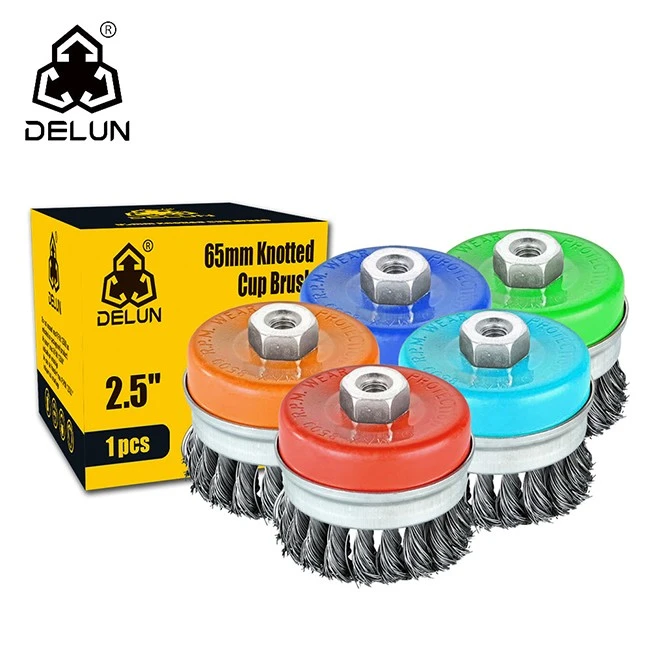
- 2.5 Inch Twisted Cup Brush For Grinding: This brush is perfect for grinding applications, with its unique twisted design providing a more aggressive cleaning action.
- Shaft Cup Brush 3 Inch For Polishing: Ideal for polishing tasks, this 3-inch shaft cup brush offers a smooth and even finish.
- DELUN 75mm High-Quality Knotted Cup Wire Brush: The knotted design of this brush provides a high-density wire arrangement, making it suitable for heavy-duty cleaning and surface preparation.
- Crimped Steel Wire Cup Brush: Our crimped steel wire cup brush is designed for efficient removal of rust, paint, and other contaminants from metal surfaces.
Contact Us for Procurement
If you're interested in purchasing our wire brushes or have any questions about brush cleaning and maintenance, we'd love to hear from you. Contact us today to start a procurement discussion and find the best wire brush solutions for your business.
References
- "Tool Maintenance Guide," Industrial Tool Association.
- "Pressure Washer Basics," Home Improvement Magazine.