




As a trusted supplier of EN12413 Cutting Discs, I am often asked about the cutting speed range adjustment of these essential tools. Understanding the appropriate cutting speed range is crucial for achieving optimal performance, ensuring safety, and prolonging the lifespan of the cutting disc. In this blog post, I will delve into the details of the cutting speed range adjustment of EN12413 Cutting Discs, providing valuable insights for both professionals and DIY enthusiasts.
What is En12413 Cutting Disc?
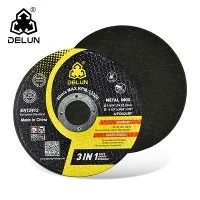
EN12413 Cutting Discs are standardized cutting tools designed for use in various metal cutting applications. These discs comply with the European safety standard EN 12413, which sets strict requirements for the design, manufacturing, and performance of cutting discs. EN12413 Cutting Discs are available in different sizes, thicknesses, and abrasive materials, making them suitable for a wide range of cutting tasks, from light-duty to heavy-duty applications.
Importance of Cutting Speed Range Adjustment
The cutting speed of a EN12413 Cutting Disc refers to the linear speed at which the outer edge of the disc moves during operation. It is typically measured in meters per second (m/s) or surface feet per minute (SFM). The cutting speed is a critical factor that affects the cutting performance, tool life, and safety of the cutting process.
- Cutting Performance: The right cutting speed ensures efficient material removal, smooth cuts, and reduced heat generation. If the cutting speed is too low, the disc may not be able to cut through the material effectively, resulting in slower cutting times and increased wear on the disc. On the other hand, if the cutting speed is too high, the disc may overheat, leading to premature wear, cracking, or even disintegration.
- Tool Life: Operating the cutting disc within the recommended speed range helps to extend its lifespan. Excessive cutting speeds can cause the abrasive grains on the disc to wear out quickly, reducing its cutting effectiveness. By maintaining the appropriate cutting speed, you can ensure that the disc lasts longer, saving you money on replacement costs.
- Safety: Using the cutting disc at the correct speed is essential for safety. Over-speeding the disc can increase the risk of accidents, such as disc breakage, which can cause serious injuries to the operator and bystanders. By following the manufacturer's recommended speed range, you can minimize the risk of accidents and ensure a safe working environment.
Factors Affecting Cutting Speed Range
Several factors influence the optimal cutting speed range for EN12413 Cutting Discs. These factors include:
- Material Type: Different materials have different hardness and cutting properties, which affect the cutting speed. For example, softer materials like aluminum or copper can be cut at higher speeds compared to harder materials like stainless steel or hardened steel.
- Disc Size and Thickness: The size and thickness of the cutting disc also play a role in determining the cutting speed. Larger discs generally require lower cutting speeds to maintain stability and prevent overheating, while smaller discs can be operated at higher speeds. Thicker discs may also require lower cutting speeds due to their increased mass.
- Machine Power and RPM: The power and rotational speed (RPM) of the cutting machine are important factors to consider. The machine should be capable of providing sufficient power to drive the cutting disc at the recommended speed. Additionally, the RPM of the machine should be adjusted to match the cutting speed requirements of the disc.
Determining the Cutting Speed Range
The cutting speed range for EN12413 Cutting Discs is typically specified by the manufacturer and can be found on the product packaging or in the product documentation. The recommended cutting speed is usually given in terms of the maximum peripheral speed (m/s or SFM) that the disc can safely operate at.
To determine the appropriate cutting speed for your specific application, you need to consider the factors mentioned above. Here are the general steps to follow:
- Identify the Material: Determine the type of material you will be cutting. Refer to the manufacturer's guidelines or consult a cutting expert to find the recommended cutting speed for that material.
- Select the Disc Size and Thickness: Choose the appropriate size and thickness of the cutting disc based on the cutting task and the capabilities of your cutting machine.
- Check the Machine RPM: Determine the RPM of your cutting machine. This information can usually be found on the machine's nameplate or in the user manual.
- Calculate the Cutting Speed: Use the following formula to calculate the cutting speed:
Cutting Speed (m/s) = (π x Disc Diameter (m) x Machine RPM) / 60
For example, if you are using a 100 mm (0.1 m) diameter cutting disc and your machine has an RPM of 3000, the cutting speed would be:
Cutting Speed = (π x 0.1 m x 3000) / 60 = 15.7 m/s
- Compare with the Recommended Range: Compare the calculated cutting speed with the manufacturer's recommended cutting speed range for the disc. If the calculated speed falls within the recommended range, you can proceed with the cutting operation. If the speed is too high or too low, adjust the machine RPM accordingly to bring the cutting speed within the recommended range.
Adjusting the Cutting Speed
Once you have determined the appropriate cutting speed, you need to adjust the RPM of your cutting machine to achieve the desired speed. Most cutting machines allow you to adjust the RPM manually or through a speed control mechanism.
- Manual RPM Adjustment: If your machine has a manual RPM adjustment feature, you can use the speed control knob or lever to increase or decrease the RPM until the cutting speed matches the recommended range.
- Speed Control Mechanism: Some cutting machines are equipped with a speed control mechanism that allows you to set the desired RPM automatically. Follow the manufacturer's instructions to set the RPM based on the cutting speed requirements of the disc.
It is important to note that the cutting speed may need to be adjusted during the cutting process, especially if you are cutting different materials or using different disc sizes. Always monitor the cutting operation and make the necessary adjustments to ensure optimal performance and safety.
Recommended Cutting Speeds for Different Materials
Here are some general guidelines for the recommended cutting speeds for EN12413 Cutting Discs when cutting different materials:
- Mild Steel: 25 - 35 m/s (5000 - 7000 SFM)
- Stainless Steel: 20 - 25 m/s (4000 - 5000 SFM)
- Aluminum: 30 - 40 m/s (6000 - 8000 SFM)
- Brass and Copper: 35 - 45 m/s (7000 - 9000 SFM)
These are just approximate values, and the actual cutting speed may vary depending on the specific material properties, disc type, and cutting conditions. Always refer to the manufacturer's guidelines for the most accurate cutting speed recommendations.
Our En12413 Cutting Disc Products
At our company, we offer a wide range of high-quality EN12413 Cutting Discs that are designed to meet the needs of various cutting applications. Our cutting discs are available in different sizes, thicknesses, and abrasive materials, ensuring optimal performance and durability.


- Metal Cut Off Wheels: Our Metal Cut Off Wheels are ideal for cutting through a variety of metals, including steel, stainless steel, and aluminum. These wheels are made from high-quality abrasive materials and are designed to provide fast and efficient cutting.
- 9 Inch Cutting Wheel For Metal And Stainless Steel With Best Performance: This 9-inch cutting wheel is specifically designed for cutting metal and stainless steel. It offers excellent cutting performance and durability, making it a popular choice among professionals.
- 14 inch Cut Off Wheel for Stainless Steel: Our 14-inch cut off wheel is perfect for heavy-duty cutting applications, such as cutting thick stainless steel plates. It provides a smooth and precise cut, even in challenging cutting conditions.
- Metal Cut Off Wheel for Angle Grinder: This metal cut off wheel is designed for use with angle grinders. It offers a high cutting speed and long service life, making it a reliable choice for DIY enthusiasts and professionals alike.
- DELUN 4inch Metal Cut Off Wheels with MPA: Our DELUN 4-inch metal cut off wheels are made with MPA technology, which provides superior cutting performance and durability. These wheels are suitable for a variety of metal cutting applications, including light-duty and medium-duty tasks.
Contact Us for Procurement
If you are interested in purchasing our EN12413 Cutting Discs or have any questions about our products, please feel free to contact us for procurement discussions. Our team of experts is ready to assist you in finding the right cutting disc for your specific needs and provide you with the best possible service.
We look forward to hearing from you and helping you achieve your cutting goals efficiently and safely.
References
- European Committee for Standardization. EN 12413:2010 - Abrasive products - Cutting - off wheels - Safety requirements.
- Manufacturer's product documentation and guidelines for EN12413 Cutting Discs.