




Hey there! As a supplier of Abrasive Flap Wheels, I often get asked about the noise level when using these handy tools. So, I thought I'd dive into this topic and share some insights with you.
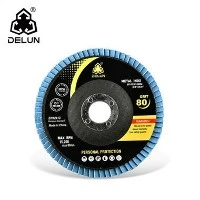
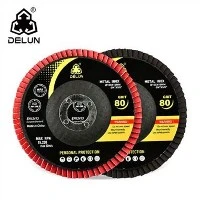
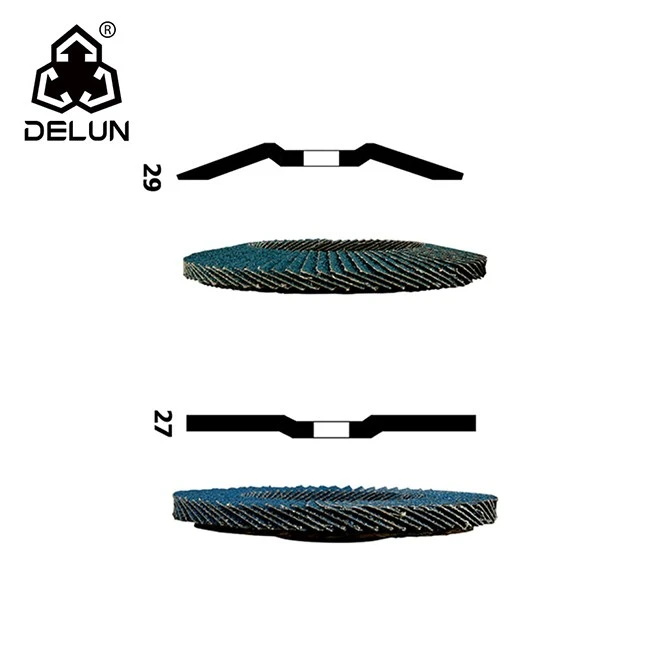
First off, let's understand what an Abrasive Flap Wheel is. An Abrasive Flap Wheel is a versatile grinding and finishing tool. It consists of multiple overlapping abrasive flaps attached to a central hub. These flaps are made from various abrasive materials, like aluminum oxide or zirconia, and are designed to wear down gradually, exposing fresh abrasive edges for consistent performance.
Now, when it comes to the noise level during use, it's not a one-size-fits-all situation. There are several factors that can influence how loud an Abrasive Flap Wheel gets when you're working with it.
Factors Affecting Noise Level
1. Abrasive Material
Different abrasive materials have different hardness and structures, which can lead to different noise levels. For example, Zirconia Flap Disc for Weld Seam Grinding is known for its high-performance cutting ability. Zirconia grains are quite hard, and when they come into contact with the workpiece, they can generate a relatively louder noise compared to softer abrasives like aluminum oxide used in Oxide Flap Disc. The harder the abrasive, the more forceful the impact on the material being worked on, which often results in increased noise.
2. Workpiece Material
The type of material you're grinding or finishing also plays a big role. When using an Abrasive Flap Wheel on a hard and dense material like stainless steel, such as with a 4.5'' Abrasive Polishing Flap Disc For Stainless Steel, the wheel has to work harder. The friction between the abrasive flaps and the tough stainless-steel surface creates more noise. On the other hand, if you're working on a softer material like wood or plastic, the noise level will be significantly lower because the wheel can cut through the material more easily.
3. Wheel Speed
The rotational speed of the Abrasive Flap Wheel is another crucial factor. Most power tools that use these wheels allow you to adjust the speed. Higher speeds generally mean more aggressive cutting, but they also generate more noise. When the wheel is spinning at a high rate, the abrasive flaps are hitting the workpiece more frequently and with greater force, causing a louder sound. So, if you're looking to reduce the noise, you might want to lower the speed, although this could also slow down your work process.
4. Tool Condition
The condition of the power tool that holds the Abrasive Flap Wheel matters too. A well - maintained tool with properly lubricated bearings and a balanced motor will run more smoothly and quietly. If the tool is old, has worn - out parts, or is not properly balanced, it can cause vibrations. These vibrations are transferred to the Abrasive Flap Wheel and the workpiece, resulting in increased noise. For instance, a tool with a loose chuck can make the wheel wobble, creating an uneven cutting action and a louder noise.
Measuring Noise Levels
Noise levels are typically measured in decibels (dB). In general, the noise level when using an Abrasive Flap Wheel can range from around 80 dB to 100 dB or even higher, depending on the factors we just discussed. To put this into perspective, normal conversation is around 60 dB, and a lawnmower usually operates at about 90 dB.
Exposure to noise levels above 85 dB for an extended period can cause hearing damage. So, if you're regularly using an Abrasive Flap Wheel, it's crucial to take proper hearing protection. Earplugs or earmuffs can significantly reduce the amount of noise that reaches your ears, protecting your hearing in the long run.
Why Noise Level Matters
You might be wondering, why does the noise level matter? Well, apart from the obvious health risks to the operator, excessive noise can also be a nuisance in a workplace environment. It can make communication difficult between workers, leading to potential safety hazards. In a shared workspace, loud Abrasive Flap Wheels can disrupt other employees and reduce overall productivity.
Moreover, in some industries, there are regulations regarding noise levels in the workplace. Employers are required to ensure that their workers are not exposed to dangerous levels of noise for extended periods. This means that if the noise level of your Abrasive Flap Wheel is too high, it could land you in legal trouble and lead to costly fines.
How to Reduce Noise When Using an Abrasive Flap Wheel
If you're dealing with high noise levels when using an Abrasive Flap Wheel, here are some tips to help you reduce it:
- Choose the Right Abrasive Material: As mentioned earlier, softer abrasives like those in Oxide Flap Disc generally produce less noise. Consider the material of your workpiece and choose an abrasive that can do the job with less force.
- Adjust the Wheel Speed: Lower the speed of the power tool if possible. This may slow down your work a bit, but it can significantly reduce the noise level.
- Maintain Your Tools: Regularly service your power tools to ensure they are in good condition. Lubricate bearings, tighten loose parts, and replace worn - out components. A well-maintained tool will run more quietly.
- Use a Fiberglass Abrasive Flap Disc: Fiberglass-backed flap discs can sometimes absorb more vibrations, which in turn reduces noise. They are also known for their durability and smooth cutting action.
Conclusion
Understanding the noise level when using an Abrasive Flap Wheel is important for both your health and the efficiency of your workspace. By considering factors like the abrasive material, workpiece material, wheel speed, and tool condition, you can manage the noise levels and create a safer and more comfortable working environment.

If you're in the market for high-quality Abrasive Flap Wheels, don't hesitate to reach out for a procurement discussion. We're here to help you find the right product for your specific needs and ensure you get the best performance with minimal hassle.
References
- Occupational Safety and Health Administration (OSHA)-Guidelines on Noise Exposure in the Workplace.
- Manufacturers' specifications for Abrasive Flap Wheels and power tools.