




Hey there, folks! As a supplier of EN12413 Cutting Discs, I often get asked a bunch of questions. One of the most common ones is whether our EN12413 Cutting Disc can be used for cutting composites. So, I thought I'd write this blog to share some insights on this topic.
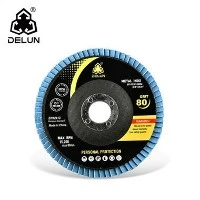
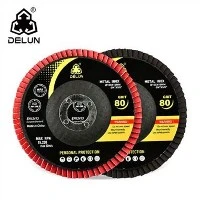
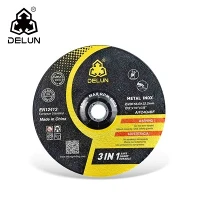
First off, let's talk a bit about what EN12413 Cutting Discs are. These discs are designed and manufactured to meet the strict EN12413 standard. This standard ensures that the cutting discs are safe and reliable for use in various industrial and DIY applications. They're usually used for cutting metals like steel, stainless steel, and aluminum. You can check out our high-performance options such as the Cutting Disc 4inch in High Performance and 4inch Cutting Disc.
Now, let's move on to composites. Composites are materials made from two or more different materials with significantly different physical or chemical properties. When combined, they produce a material with characteristics different from the individual components. Common composites include carbon fiber reinforced polymers (CFRP), glass fiber reinforced polymers (GFRP), and others.
Can EN12413 Cutting Discs be used for cutting composites? Well, it's not a straightforward yes or no answer.
Advantages of trying En12413 Cutting Discs on Composites
There are a few reasons why someone might think of using our EN12413 Cutting Discs for composites.
-
Sharp Cutting Edge: Our cutting discs are made with high-quality abrasives that can provide a sharp cutting edge. This sharpness can, in theory, be useful for making a clean cut through some types of composites. For example, if the composite has a relatively soft matrix and fibers that are not overly tough, the disc might be able to cut through it with some precision.
-
Versatility: Given that our discs are designed to handle different metals, they show a certain level of versatility. Some users might assume that this versatility could translate to cutting composites as well.
-
Availability: As a supplier, I can offer these cutting discs in large quantities and at competitive prices. So, if a user already has access to our EN12413 Cutting Discs, they might be tempted to give it a try on composites instead of buying specialized composite cutting tools.
However, there are also some significant limitations and risks when using EN12413 Cutting Discs for composites:
Disadvantages and Risks
- Fiber Pull-Out: Composites rely on the strength and integrity of their fibers. When using a cutting disc designed mainly for metals, there's a high chance of fiber pull-out. The disc can catch the fibers of the composite, causing them to break unevenly and pull out from the matrix. This can weaken the composite structure and result in a poor-quality cut. For instance, in CFRP, the carbon fibers are very strong but can be easily damaged if not cut properly.
- Matrix Damage: The matrix in composites, usually a polymer, is often more delicate than metals. The heat generated during the cutting process with a metal-designed disc can be excessive for the composite matrix. This heat can cause the matrix to melt, char, or degrade, leading to a change in the composite's mechanical properties.
- Inadequate Abrasive Compatibility: The abrasives used in our EN12413 Cutting Discs are selected for their effectiveness against metals. They might not be the best choice for cutting through the unique structure of composites. Composites require abrasives that are specifically engineered to work with the type of fibers and matrix present in the material.
Alternatives for Cutting Composites
If you're dealing with composites, it's often better to use specialized cutting tools. These tools are designed to address the unique challenges of cutting composites.
- Diamond-Tipped Blades: Diamond is one of the hardest materials available, and diamond-tipped blades are very effective for cutting composites. They can provide a clean and precise cut without causing excessive damage to the fibers or the matrix.
- Carbide-Tipped Tools: Carbide-tipped saws and routers can also be used for cutting composites. They offer a good balance between cutting performance and cost.
When You Might Consider Using EN12413 Cutting Discs on Composites
There are some niche situations where using our EN12413 Cutting Discs on composites might be okay.
- Low-Performance Composites: If you're working with low-performance composites, such as those with a very soft matrix and short, less-aligned fibers, the cutting disc might be able to make a rough cut. This could be useful for some quick prototyping or DIY projects where a high-quality finish isn't critical.
- Limited Resources: In situations where you don't have access to specialized composite cutting tools, and you need to make a quick cut, you can give the EN12413 Cutting Disc a try. But be aware that the quality of the cut might not be up to par.
If you're still curious about how our Cut Off Wheel for 4 Inch Grinder 107mm or Angle Grinder Wheel for Stainless Steel and Metal Cut Off Disc for Angle Grinder perform on composites or metals, feel free to reach out.


In conclusion, while EN12413 Cutting Discs can be incredibly useful for cutting metals, using them for composites is a bit of a grey area. There are some potential benefits in certain situations, but there are also significant risks. If you're serious about achieving high-quality cuts in composites, I'd recommend investing in specialized tools.
If you're looking for high-quality cutting discs for your metal-cutting needs or have any questions about our EN12413 Cutting Discs, don't hesitate to get in touch. We're here to help you make the best choice for your projects. Whether you're a professional in the industry or a DIY enthusiast, we have the right products for you. Let's start a conversation about your procurement needs and see how we can work together!
References
- "Handbook of Composites Manufacturing", edited by David A. Dillingham.
- "Cutting Tool Applications" by Phillip Kenneth Wright.