



Hey there! As a supplier of flap wheels for metal, I often get asked about the moisture resistance of these nifty tools. So, I thought I'd take a deep dive into this topic and share everything you need to know.
Understanding Flap Wheels for Metal
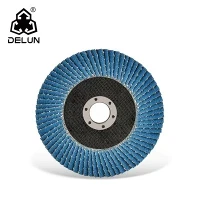
First off, let's quickly touch on what flap wheels for metal are. They're abrasive tools made up of multiple overlapping flaps attached to a backing. These flaps are coated with abrasive grains, which help in grinding, sanding, and finishing metal surfaces. They're super versatile and can be used on various metals like steel, stainless steel, and aluminum.
Why Moisture Resistance Matters
Moisture resistance is a crucial factor when it comes to flap wheels for metal. You see, if a flap wheel isn't resistant to moisture, it can lead to a whole bunch of problems. For starters, the abrasive grains on the flaps can start to loosen up when exposed to moisture. This can cause the flap wheel to lose its cutting ability and become less effective.
Moreover, moisture can also cause the backing of the flap wheel to weaken. If the backing gets damaged, the flaps might start to come off, which is not only dangerous but also means you'll have to replace the flap wheel sooner than expected.
How Moisture Affects Flap Wheels
When a flap wheel gets wet, the moisture can seep into the bond that holds the abrasive grains to the flaps. This can cause the bond to break down over time, making the grains less secure. As a result, the grains may fall off during use, reducing the lifespan of the flap wheel and leaving an uneven finish on the metal surface.
In addition to that, moisture can also cause rusting, especially if the flap wheel is made of metal components. Rust can not only damage the wheel itself but can also transfer onto the metal workpiece, leaving ugly marks.
What Determines the Moisture Resistance of Flap Wheels?
There are a few factors that determine how well a flap wheel can resist moisture. One of the main factors is the type of abrasive grain used. Some grains, like alumina zirconia, are more resistant to moisture compared to others. For example, our Flap Disc 4 Inch Alumina Zirconia is known for its excellent moisture resistance. The alumina zirconia grains are less likely to be affected by moisture, which means the flap disc can maintain its cutting performance even in slightly damp conditions.
Another important factor is the bond that holds the abrasive grains to the flaps. High - quality bonds are designed to be more resistant to moisture. Manufacturers use special resins and adhesives that can withstand exposure to water and humidity.


The material of the backing also plays a role. Backings made of certain plastics or treated paper can offer better moisture resistance compared to untreated paper backings. For instance, a plastic - backed flap wheel is less likely to absorb moisture and become weak.
Testing the Moisture Resistance of Flap Wheels
At our company, we take moisture resistance seriously. We conduct a series of tests to ensure that our flap wheels can handle different levels of moisture. One of the tests we do is the immersion test. We submerge the flap wheels in water for a certain period and then check for any signs of damage, such as the loosening of abrasive grains or the weakening of the backing.
We also test the flap wheels in high - humidity environments. We place them in chambers where the humidity is controlled, and then observe how they perform over time. This helps us to determine how well they can withstand real - world conditions where moisture might be present.
Choosing the Right Moisture - Resistant Flap Wheel
When you're looking for a moisture - resistant flap wheel for your metalworking projects, there are a few things to keep in mind. First, consider the type of metal you'll be working with. Different metals may require different levels of abrasive grit, and you'll want a flap wheel that can handle both the metal and the moisture.
Think about the environment where you'll be using the flap wheel. If you're working in a damp or humid area, you'll definitely need a more moisture - resistant option. For instance, if you're working in a coastal area or near a water source, our Surface Conditioning Flap Disc 6inch would be a great choice as it's designed to handle such challenging environments.
Another thing to consider is the size of the flap wheel. We offer a range of sizes, like the 5inch Flap Disc For Grinding, to suit different applications. Make sure to choose the size that's appropriate for your project.
Maintenance of Moisture - Resistant Flap Wheels
Even though our flap wheels are designed to be moisture - resistant, proper maintenance is still important. After using the flap wheel, make sure to dry it thoroughly if it gets wet. You can use a clean cloth to wipe off any excess water.
Store the flap wheels in a dry place. Avoid storing them in areas where there's a lot of humidity or where they might come into contact with water. If possible, keep them in a sealed container to prevent moisture from getting to them.
Conclusion
In conclusion, the moisture resistance of flap wheels for metal is a crucial aspect that can greatly affect their performance and lifespan. By understanding what factors contribute to moisture resistance, how to test it, and how to choose the right flap wheel for your needs, you can ensure that you get the best results in your metalworking projects.
If you're interested in learning more about our flap wheels for metal or are looking to make a purchase, don't hesitate to reach out. We're here to help you find the perfect flap wheel for your specific requirements. Whether you need a high - performance wheel for a large - scale industrial project or a smaller one for a DIY job, we've got you covered. So, don't wait, start your metalworking journey with our top - quality flap wheels today!
References
- Abrasive Technology Handbook
- Metalworking Industry Standards and Research Reports