



Hey there! As a supplier of wheel wire brushes, I often get asked about the tensile strength of the bristles in these brushes. So, I thought I'd write this blog to share some insights on this topic.
First off, let's talk about what tensile strength actually means. Tensile strength is the maximum amount of tensile (pulling) stress that a material can withstand before it breaks or fails. In the context of wheel wire brush bristles, it's a crucial factor that determines how well the brush can handle the forces applied during use.
The tensile strength of the bristles in a wheel wire brush depends on several factors. One of the main factors is the material used to make the bristles. Common materials for wheel wire brush bristles include steel, stainless steel, and brass.
Steel bristles are known for their high tensile strength. They can withstand a significant amount of pulling force without breaking. This makes them ideal for heavy-duty applications such as removing rust, scale, and weld spatter from metal surfaces. The high tensile strength of steel bristles allows them to dig into tough contaminants and clean the surface effectively.
Stainless steel bristles, on the other hand, offer a good balance between tensile strength and corrosion resistance. They are not as strong as steel bristles in terms of pure tensile strength, but they are much more resistant to rust and corrosion. This makes them suitable for applications where the brush will be exposed to moisture or corrosive environments. For example, in marine or food processing industries, stainless steel wheel wire brushes are often used.
Brass bristles have a relatively lower tensile strength compared to steel and stainless steel. However, they are softer and less likely to damage the surface being cleaned. They are commonly used for applications where a gentle cleaning action is required, such as polishing or deburring delicate parts.
Another factor that affects the tensile strength of the bristles is the diameter of the wire. Generally, thicker wires have higher tensile strength. A thicker bristle can withstand more pulling force before it breaks. But at the same time, thicker bristles may also make the brush less flexible. So, there's a trade - off between tensile strength and flexibility when choosing the wire diameter for the bristles.


The manufacturing process also plays a role in determining the tensile strength of the bristles. High-quality manufacturing processes ensure that the bristles are properly heat-treated and formed. This can enhance the internal structure of the wire and increase its tensile strength. For example, a well - made wheel wire brush with properly heat - treated steel bristles will have better tensile strength than a poorly made one.
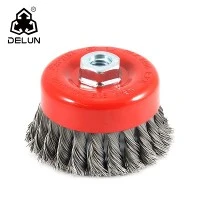
Now, let's take a look at some of the products we offer. We have a great selection of Twisted Wire Cup Brush. These brushes are designed to provide a high-intensity cleaning action. The twisted wire construction not only increases the surface area of the bristles in contact with the work surface but also helps to distribute the pulling forces evenly across the bristles. This means that the bristles can better withstand the tensile forces during use, reducing the risk of breakage.
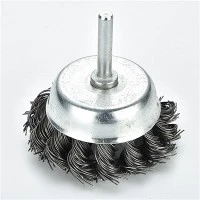
Our 2.5inch Twisted With Shaft Cup Brush is a popular choice among our customers. It's a compact and versatile brush that can be used in a variety of applications. The 2.5 - inch size makes it easy to handle in tight spaces, and the twisted wire design ensures that the bristles have good tensile strength.
If you're looking for a larger brush, our 3 Inch Shaft Circular Brush China Supplier In Competitive Price is a great option. This brush has a larger diameter, which means it can cover a larger area in less time. The circular design also allows for a more uniform distribution of the pulling forces on the bristles, enhancing their tensile strength.
When it comes to choosing the right wheel wire brush for your application, it's important to consider the tensile strength of the bristles. If you're dealing with heavy - duty cleaning tasks, you'll want a brush with high-tensile-strength bristles, like steel. For more delicate applications, a brush with lower-tensile-strength bristles, like brass, may be more suitable.
We understand that different customers have different needs, and we're here to help you find the perfect wheel wire brush. Whether you need a brush for industrial use, automotive repair, or DIY projects, we have a wide range of products to meet your requirements.
If you're interested in purchasing our wheel wire brushes, we'd love to have a chat with you. We can discuss your specific needs, answer any questions you may have about the tensile strength of the bristles or other features of our products, and provide you with a competitive quote. Just reach out to us, and let's start the conversation.
In conclusion, the tensile strength of the bristles in a wheel wire brush is an important factor that affects its performance and durability. By understanding the factors that influence tensile strength and choosing the right brush for your application, you can ensure that you get the best results from your cleaning or surface-preparation tasks.
References
- "Materials Science and Engineering: An Introduction" by William D. Callister, Jr. and David G. Rethwisch
- "Handbook of Cleaning Technology" by Werner Marsch and Hans - Jürgen Bart