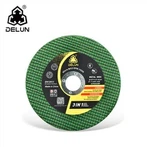
For new brands in the B2B industrial consumables space, quality is rarely the real barrier to growth. The real challenge is overcoming distributors' fear of trial risks and dead inventory, as well as breaking end-users' ingrained distrust of unfamiliar brands. With global supply chain shifts largely eliminating traditional price advantages, brands can no longer win by simply selling products. The new core strategy is to de-risk every purchase and partnership for buyers and distributors.
1. De-risk Distributor Partnerships (Mitigate Inventory & Trial Uncertainties)
Distributors are naturally cautious about new industrial brands, mainly because unknown products carry high inventory risks and uncertain market acceptance. To win them over, brands need practical policies that remove these upfront risks.
Flexible First-Order Trial Protection: Offer dedicated trial-friendly terms for new partnerships. Let distributors swap slow-moving stock for more in-demand product specs in their subsequent orders. This rule eliminates the biggest worry for distributors - being stuck with unsold inventory - and makes them far more willing to place a first order.
Milestone-Based Tiered Incentives: Competing only on low prices is unsustainable. Instead, reward loyal and growing partners with tiered rebates, flexible credit line upgrades and exclusive benefits once they hit set sales targets. This encourages distributors to prioritize your brand over long-standing competitors in their daily sales focus.
2. Target Disruptive High-Potential Clients (Avoid Homogeneous Red Ocean Competition)
Top-tier distributors already have solid, long-term partnerships with established brands, making them extremely hard to convert. Chasing these saturated channels leads to fierce competition and low returns. New brands gain faster growth by targeting overlooked, high-potential clients with strong growth motivation.
Empower Growth-Oriented Mid-Market Wholesalers: Focus on ambitious mid-tier wholesalers. These players have solid local distribution networks and operational capability, but lack high-margin, exclusive flagship brands to differentiate their business. They are highly motivated to upgrade their product lineup and partner with emerging quality brands to boost profitability and market competitiveness.
Direct Access to Large-Scale Infrastructure Projects: In high-potential markets like the GCC region (Saudi Arabia, UAE and surrounding areas), engage directly with procurement leaders from major construction and infrastructure contractors. Leverage verified technical test reports to qualify for their approved vendor lists, opening doors to steady large-scale project orders.
3. Deliver Full-Set Turnkey Marketing Support
Manufacturers should do more than just supply products. They need to support distributors as a reliable marketing partner, equipping them with ready-to-use, localized and effective marketing resources to win local customers easily.
Localized Professional Marketing Assets: Supply practical, well-polished marketing kits that sound natural and industry-focused, no rigid templated content. The package includes professional product catalogs and ready-to-post social media content for LinkedIn and WhatsApp. For Middle Eastern markets, a fully optimized Arabic landing page creates a clear edge over competitors with minimal local adaptation.
Technical Authority-Driven Branding: Avoid empty claims of "premium quality". Build real credibility through specific, accurate technical details. For example, when promoting strip discs, clearly state core materials such as non-woven nylon and silicon carbide (SiC). Concrete technical specs and industry-specific terminology help clients recognize your brand's professionalism at a glance.
4. Adopt Anchor Niche Product Strategy (Achieve Precise Industry Breakthroughs)
Launching a full product line at once spreads resources too thin and slows down market breakthroughs. A smarter approach is to lead with targeted anchor products that solve specific industry pain points. This builds solid brand reputation in niche segments and drives overall market penetration step by step.
Vertical Niche Pain Point Resolution: Zero in on segmented industry scenarios and deliver tailored solutions. For instance, custom-design wire brushes specifically for weld seam cleaning in photovoltaic production. These targeted tools solve unique PV manufacturing pain points and help the brand build irreplaceable niche value.
Case-Based Content Marketing: Turn successful niche project deliveries into professional solution whitepapers and real-world case studies. Showing clients how you solve their actual production problems is far more persuasive than generic product pitches, and effectively builds trust in your brand's practical expertise.
5. Standardize High-Engagement Sampling & Testing SOPs
Sending out random samples rarely delivers results, as most samples end up unused on clients' shelves. To turn sampling into real orders, brands need a standardized, experience-driven testing process that lets product advantages speak for themselves.
Standardized Testing Guidelines: Include clear, easy-to-follow testing instructions with every sample shipment. List key operating standards, including grinder power, workpiece thickness and ideal spindle RPM, to ensure clients test the product under optimal conditions and experience its full performance potential.
Visualized Side-by-Side Competitor Testing: Encourage clients to conduct on-site head-to-head tests against local mainstream products, and record the full comparison process. If your cutting discs or other core products match or outperform local benchmarks in service life and cutting efficiency, you gain decisive negotiation leverage and greatly improve conversion chances.
Core Success Summary
For new industrial consumables brands, fast and sustainable market penetration hinges on one key shift: moving from a pure product supplier to a reliable solution provider. By lowering entry risks for both distributors and end users, equipping partners with practical marketing and technical support, and winning recognition through niche solutions and verified product performance, new brands can secure steady market share - even without long-established brand reputation.