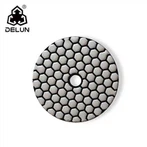
Resin cutting discs are widely used for cutting metals (e.g., mild steel, stainless steel, aluminum) due to their good toughness, low vibration, and adaptability to handheld or bench-top cutters. Among the key parameters of resin cutting discs, thickness directly affects cutting efficiency, precision, disc lifespan, and even operational safety. Choosing an inappropriate thickness can lead to problems like slow cutting, rough edges, disc bending, or even cracking. Below is a detailed guide to help you select the right thickness based on practical needs.
1. Core Principle: Thickness Matches Material Thickness First
The thickness of the material to be cut is the most fundamental factor in choosing disc thickness. The goal is to balance cutting stability (avoiding disc deformation) and cutting efficiency (reducing unnecessary friction and material waste).
Thin materials (≤5mm, e.g., thin steel sheets, aluminum foils): Opt for thin resin discs (1.2–2mm).Thin discs create narrower cutting kerfs (the width of the cut), which minimizes material waste-critical for expensive thin metals like stainless steel sheets. Additionally, thin discs have better heat dissipation; since thin materials conduct heat quickly, a thin disc reduces contact area with the material, preventing overheating and "sticking" (common in aluminum cutting). For example, when cutting 3mm stainless steel sheets for precision parts, a 1.5mm resin disc ensures clean edges without wasting excess material.
Medium-thickness materials (5–20mm, e.g., rebar, 10mm steel plates): Choose medium-thickness discs (2.5–4mm).This thickness range offers a balance of rigidity and flexibility. Medium-thickness discs can withstand moderate cutting pressure without bending (unlike thin discs, which may warp when cutting 15mm steel plates) while still maintaining efficient heat dissipation. For instance, cutting 8mm mild steel plates for construction requires a 3mm resin disc-it cuts quickly and avoids the "wavy edges" caused by overly thin discs.
Thick materials (>20mm, e.g., thick steel blocks, large-diameter pipes): Select thick discs (4–6mm).Thick materials demand higher cutting force, and thick resin discs have stronger structural rigidity to resist deformation under pressure. A thin disc (e.g., 2mm) cutting a 30mm steel block would bend during operation, leading to uneven cuts or even disc cracking. A 5mm resin disc, however, maintains stability, ensures straight cuts, and has a longer lifespan (thicker discs have more abrasive material to withstand wear).
2. Prioritize Thickness Based on Cutting Precision Requirements
Resin cutting disc thickness directly impacts the smoothness of the cutting surface and dimensional accuracy-critical for applications like precision machining or decorative metalwork.
High-precision cutting (e.g., stainless steel components, custom metal parts): Use thin discs (1.2–2.5mm).Thin discs vibrate less during high-speed rotation, resulting in narrower, straighter kerfs and smoother edges. For example, when cutting stainless steel brackets that require tight dimensional tolerances (±0.1mm), a 1.8mm resin disc avoids the "overcutting" or rough burrs caused by thicker discs. Post-cut polishing work is also reduced, saving time and labor.
Rough cutting (e.g., cutting rebar on construction sites, trimming scrap metal): Choose thicker discs (3–6mm).Rough cutting prioritizes speed and durability over precision. Thicker discs have more resin and abrasive, allowing faster material removal and resisting wear from continuous heavy use. For instance, cutting 16mm diameter rebar with a 4mm resin disc is 30% faster than using a 2mm disc, and the thicker disc can handle dozens of cuts before needing replacement-ideal for high-volume, low-precision tasks.
3. Consider Cutting Equipment Constraints
Different cutting machines (handheld vs. bench-top) have varying load capacities and operational characteristics, which influence disc thickness selection.
Handheld cutting machines (e.g., angle grinders): Prefer thin to medium-thickness discs (1.5–3mm).Handheld tools rely on manual control; thinner discs are lighter and easier to maneuver, reducing operator fatigue during long cutting sessions. A 2mm resin disc on a 4.5-inch (115mm) angle grinder is easier to guide along straight lines than a 5mm thick disc, which may feel "clunky" and cause uneven cuts. Additionally, thinner discs generate less centrifugal force, improving safety for handheld use (though always ensure the disc's speed rating matches the grinder).
Bench-top cutting machines (e.g., fixed metal cutters): Use medium to thick discs (3–6mm).Bench-top machines provide stable support and higher power, so they can handle thicker, heavier discs. Thicker discs on fixed machines deliver consistent cutting pressure, making them suitable for cutting thick metals (e.g., 25mm steel plates) with minimal vibration. For example, a 5mm resin disc on a bench-top cutter can cut 20mm steel blocks smoothly, whereas a thin disc might bend under the machine's steady pressure.
Note: Always check your machine's manual for recommended disc thickness ranges-some small handheld grinders may not support discs thicker than 3mm due to spindle load limits.
4. Adapt to Material Hardness and Toughness
The hardness and toughness of the metal also affect thickness choices, as harder materials require more disc rigidity to avoid premature wear or damage.
Hard metals (e.g., stainless steel, tool steel): Opt for medium-thickness discs (2.5–4mm).Hard metals like 304 stainless steel (200–300 HB) exert more friction on the disc. A too-thin disc (≤2mm) may wear down quickly or develop edge cracks, while a too-thick disc (≥5mm) may generate excessive heat (due to larger contact area). A 3mm resin disc balances rigidity and heat dissipation-ideal for cutting stainless steel without frequent disc replacement.
Soft metals (e.g., aluminum, copper): Choose thin to medium-thickness discs (1.5–3mm).Soft metals are prone to "gumming" (melted chips adhering to the disc). Thin discs have smaller contact areas, reducing chip buildup and heat retention. For example, cutting 8mm aluminum plates with a 2mm resin disc prevents chips from sticking to the disc's surface, ensuring consistent cutting speed and avoiding material deformation from overheating.
5. Practical Tips to Avoid Mistakes
Never use a disc thinner than the material's thickness: A 1mm disc cutting 5mm steel will bend or break, as it cannot withstand the material's resistance.
Refer to manufacturer recommendations: Reputable brands (e.g., 3M, Norton) provide thickness guides for specific materials-follow these to ensure compatibility.
Avoid extreme thicknesses: For most metal cutting tasks, 1.5–4mm discs cover 90% of needs; thicker discs (≥5mm) are only necessary for very thick metals, while thinner discs (≤1.2mm) are reserved for ultra-precise, thin-metal cuts.