



When it comes to using a Metal Flap Disc, understanding the vibration level is crucial for both the efficiency of the work and the safety of the operator. As a Metal Flap Disc supplier, I've witnessed firsthand the impact of vibration on the performance of these tools and the well - being of those who use them.
The Importance of Vibration in Metal Flap Disc Usage
Vibration is a natural by - product of the interaction between the Metal Flap Disc and the workpiece. It can affect the quality of the grinding or finishing process, as well as the comfort and health of the operator. High levels of vibration can lead to a phenomenon known as Hand - Arm Vibration Syndrome (HAVS), which can cause numbness, tingling, and reduced grip strength in the hands and arms. In severe cases, it can even lead to permanent damage.
On the other hand, a certain level of vibration is necessary for the Metal Flap Disc to function effectively. The vibration helps the abrasive flaps to break down the material being worked on, allowing for a more efficient grinding or finishing process. However, finding the right balance is key.
Factors Affecting Vibration Levels
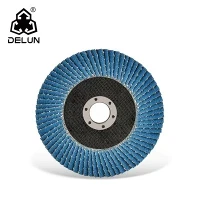
Several factors can influence the vibration level when using a Metal Flap Disc. One of the most significant factors is the quality of the disc itself. A well - made Metal Flap Disc, such as the DELUN Abrasive Flap Wheels for Metal, is designed to minimize vibration. These discs are manufactured with precision, ensuring that the abrasive flaps are evenly distributed and balanced. This balance reduces the amount of uneven force that can cause excessive vibration.
The type of material being worked on also plays a role. Harder materials, like steel, require more force to grind or finish, which can result in higher vibration levels. For example, when using DELUN Flap Discs for Steel, the operator may experience more vibration compared to working on softer metals. This is because the disc has to work harder to remove the material, and the resistance from the steel can cause the disc to vibrate more.
The speed at which the Metal Flap Disc is rotating is another important factor. Higher rotational speeds generally result in more vibration. However, the optimal speed depends on the specific application and the type of disc being used. For instance, a Zirconia Flap Disk may have different speed requirements compared to other types of Metal Flap Discs.
Measuring Vibration Levels
To ensure that the vibration levels are within acceptable limits, it's important to measure them. There are several tools available for measuring vibration, such as vibration meters. These meters can provide accurate readings of the vibration frequency and amplitude.
When measuring the vibration level of a Metal Flap Disc, it's important to take readings at different points during the operation. This includes when the disc is first starting up, during normal operation, and when it's slowing down. By taking multiple readings, operators can get a better understanding of the overall vibration profile of the disc.
Reducing Vibration Levels
There are several ways to reduce the vibration levels when using a Metal Flap Disc. One of the simplest ways is to use a disc with a higher quality and better balance. As mentioned earlier, discs like the DELUN Abrasive Flap Wheels for Metal are designed to minimize vibration.
Another way is to use proper operating techniques. Operators should hold the tool firmly but not too tightly, as excessive gripping can actually increase the transmission of vibration to the hands. They should also ensure that the disc is properly aligned with the workpiece to avoid uneven forces that can cause vibration.
Using vibration - absorbing gloves can also help reduce the impact of vibration on the hands and arms. These gloves are designed to dampen the vibration, providing a more comfortable working experience.
The Impact of Vibration on Productivity
Vibration can have a significant impact on productivity. High levels of vibration can cause fatigue in the operator, leading to a decrease in work efficiency. When an operator is fatigued, they may make more mistakes, and the quality of the work may suffer.
In addition, excessive vibration can also cause damage to the Metal Flap Disc and the tool itself. This can lead to more frequent replacements and maintenance, which can increase costs and downtime.


Industry Standards for Vibration
There are industry standards in place to ensure that the vibration levels when using Metal Flap Discs are within acceptable limits. These standards are designed to protect the health and safety of operators. For example, in many countries, there are regulations regarding the maximum allowable vibration levels for hand - held power tools.
As a Metal Flap Disc supplier, we are committed to ensuring that our products meet or exceed these industry standards. Our DELUN Metal Flap Discs are rigorously tested to ensure that they have low vibration levels, providing a safe and efficient working experience for our customers.
Conclusion
Understanding the vibration level when using a Metal Flap Disc is essential for both the safety of the operator and the efficiency of the work. By considering factors such as the quality of the disc, the type of material being worked on, and the rotational speed, operators can take steps to minimize vibration.
At our company, we offer a wide range of high - quality Metal Flap Discs, including the DELUN Abrasive Flap Wheels for Metal, DELUN Flap Discs for Steel, and Zirconia Flap Disk. Our products are designed to provide low vibration levels, ensuring a comfortable and efficient working experience.
If you're interested in purchasing Metal Flap Discs or have any questions about vibration levels and our products, please don't hesitate to contact us for a procurement discussion. We're here to help you find the best solutions for your grinding and finishing needs.
References
- International Organization for Standardization (ISO). ISO 5349 - 1:2001. Mechanical vibration — Measurement and evaluation of human exposure to hand - transmitted vibration — Part 1: General requirements.
- European Union. Directive 2002/44/EC of the European Parliament and of the Council of 25 June 2002 on the minimum health and safety requirements regarding the exposure of workers to the risks arising from physical agents (vibration).