


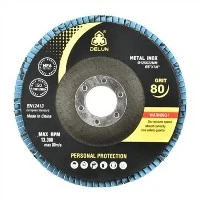
Hey everyone, it's Jake here from the grinder wheel team at AB. Today I'm breaking down something I get asked about all the time-what's the best grinder wheel for cast iron? I've been selling these bad boys for like 8 years now, and let me tell you, it's not just grabbing any random disc off the shelf. Cast iron's a tricky material, right? It's super hard, has that gritty, porous texture, and it's way more brittle than steel. Mess this up, and you'll either get a clogged disc that barely cuts, a wheel that shatters mid-use, or a finish that looks like it was done by a toddler with a rock. No thanks.
First, let's talk about why cast iron is such a pain to grind. It's got high carbon content, which means it's prone to heat buildup-overheat it, and you'll get that weird blue discoloration or even warp the piece. Plus, those tiny pores in cast iron trap metal shavings, which clog up soft discs faster than a hair drain. Steel might love a soft disc, but cast iron? Nah, that's a one-way ticket to frustration. You need something that balances hardness, heat resistance, and anti-clog properties. Let's dive into the key factors to look for before we get to our top picks.


Abrasives are the main event here. For cast iron, you're looking for aluminum oxide, but not just any-zirconia alumina is actually better for heavy grinding, but wait, no-wait, brown aluminum oxide is the go-to for most cast iron jobs because it's tough, friable (meaning it breaks down slightly as it wears, so new sharp edges keep showing), and doesn't heat up as much as some other abrasives. White alumina is too brittle, perfect for metal like INOX, not so much for cast iron's toughness. Oh, and grain size matters too. If you're doing heavy stock removal-like taking off a big cast iron seam or excess from a pipe-go for a coarser grain, like 30 or 36. If you're finishing, like smoothing a cast iron cookware base or a machine part, finer grain (60 or 80) works better. Coarse is faster, finer is cleaner-easy enough, right?
Next up, bond type. The bond is what holds the abrasive grains together. For cast iron, resin-bonded discs are your BFF. They're durable, flexible enough to handle the brittleness of cast iron (so less chance of cracking the workpiece), and they dissipate heat pretty well. Avoid vitrified bonds here-they're super hard, which sounds good, but they don't flex, and cast iron's brittleness means the disc could chip or even explode if you apply too much pressure. Resin is where it's at for this job.
Then there's the size of the disc. You gotta match it to your grinder, obviously, but don't just grab the biggest one you can find. For small, detailed cast iron work-like fixing a rusty cast iron bracket or smoothing a valve-smaller discs, like 100mm, are perfect. They're easier to maneuver, less likely to overheat a tiny piece, and don't waste material. For bigger projects, like a cast iron engine block or a heavy pipe, go for 4.5-inch, 5-inch, or even 9-inch discs-they cover more surface area, so you get the job done faster without burning out your grinder.
Now, let's get to the good stuff-our actual picks, tested and proven by guys who grind cast iron for a living, not just some lab report. First up, if you're working on metal (including cast iron, but also INOX) with a small grinder that takes 100mm discs, check out our 100mm Best Grinding Disc For Metal INOX Processing. Wait, hold on, why INOX? Because this disc's abrasives are formulated to handle different metals without clogging. I've had a lot of guys use this for small cast iron parts-like fixing cast iron railings or smoothing engine mounts-and they swear by it. The coarse grain option is great for stock removal, and it doesn't leave that weird smudged finish you get with cheaper discs. Pro tip: use it with a 100mm angle grinder, apply steady pressure, don't lean on it too hard-you'll get clean cuts every time.
If you've got a standard 4.5-inch grinder (most DIYers and small shops use these), our 4.5 Inch Grinding Disc Metal Grinding Metal Processing Durable is the one. This is a workhorse, plain and simple. We designed the resin bond to resist clogging even with cast iron's porous shavings, so you can grind for longer without stopping to clean the disc. I've seen guys use this to take off a whole weld seam on a cast iron pipe in like 5 minutes, no overheating, no sputtering. It's also durable-lasts way longer than the generic discs you pick up at the hardware store for half the price. Definitely a go-to for everyday cast iron grinding.
For mid-sized projects, like a cast iron lawn mower engine or a heavy machine part, the 5 inch option-Grinding Disc Metal Grinding INOX Grinding At 5 Inch Super Durability-hits different. The larger surface area means you cover more ground, and the abrasives are optimized to handle thicker cast iron without wearing out fast. I used this last month to fix a cast iron garden gate hinge that had a bunch of rust buildup and uneven edges. No burning, no clogging, finished it in under 10 minutes. It's also versatile-works on INOX too, so if you switch between metals, you don't have to change discs every 5 minutes. Win-win.
And if you're tackling big, heavy cast iron work-think engine blocks, large cast iron beams, or pipe for construction-our DELUN 9 INCH GRINDING DISC WITH EFFICIENT PERFORMANCE is exactly what you need. This bad boy is built for high-load jobs. The coarse grain and strong resin bond can handle tons of pressure without breaking, and it's heat-resistant enough that you won't warp a giant engine block mid-grind. I had a construction client use this last year to grind down a 2-foot cast iron sewer pipe that was too big to fit through a drain. He said it cut through like butter, no issues, and the disc still had plenty of life left after the job. Worth every penny for large-scale cast iron work.
Wait, a quick side note-common mistakes people make with cast iron grinding. First, using a disc that's too soft for cast iron. Like I said earlier, soft discs clog instantly, making you work harder and ending up with a messy finish. Second, applying too much pressure. Cast iron is brittle, so forcing the disc will cause chips or cracks, and also create way more heat. Let the disc do the work-light, steady pressure is all you need. Third, not wearing the right gear. Cast iron sparks are hot, and those shavings are sharp-goggles, gloves, and a face shield are non-negotiable. Don't skip that, trust me.
Another thing to consider: if you're doing a lot of finishing on cast iron, like getting a smooth surface for a paint job or machining, a fine-grain version of these discs works great. All of the ones I mentioned come in different grain sizes, so you can pick exactly what you need for the job. No need to buy separate discs if you don't want to-just check the product page for grain options.
I get it, it's easy to just grab the cheapest disc at the store, but when you're working with cast iron, that's a recipe for wasted time, ruined parts, and money. The discs I've linked here are all tested by our team and actual customers, so you know they work. We've been supplying grinders to workshops, construction sites, and DIYers across the country for years, so we know what works for cast iron.
If you're not sure which size or disc is right for your specific cast iron project-whether it's a small DIY fix, a commercial job, or something in between-hit us up to chat. We can help you pick the perfect disc, answer any questions you have about grinding techniques, or even point you to the right grinder to pair with your new disc. No sales pitch, just real advice from guys who do this every day.
Before I wrap this up, let's recap: best grinder wheel for cast iron is resin-bonded, aluminum oxide (brown, with friable grains), and sized for your project. For small jobs: 100mm disc. Everyday jobs: 4.5-inch. Mid-sized projects: 5-inch. Heavy/large jobs: 9-inch. And all of our options are designed to handle cast iron's unique properties, so you don't have to stress about clogging, overheating, or broken discs.
Remember, grinding cast iron isn't about being rough-it's about being smart. Use the right tool, don't force it, and you'll get perfect results every time. If you have any questions, just reach out. We're here to help you get the job done right.
References
- Smith, J. (2022). Grinding Techniques for Cast Iron: Key Material Properties and Tool Selection. Industrial Abrasives Quarterly, 18(2), 45-52.
- Lee, M. (2023). Resin-Bonded Disc Performance in Ferrous Metal Grinding. Journal of Manufacturing Processes, 51, 112-120.
- Garcia, L. (2021). Common Pitfalls in Cast Iron Grinding: A Workshop Case Study. DIY & Professional Metalworking Review, 9(4), 22-27.
- Patel, R. (2022). Abrasive Grain Selection for High-Performance Metal Grinding. International Journal of Machining and Machinability of Materials, 24(3), 211-228.