



How to Use Flap Disk 115 Correctly?
As a trusted supplier of Flap Disk 115, I understand the importance of using this product correctly to achieve the best results. In this blog post, I'll share some in - depth insights on how to use Flap Disk 115 properly, ensuring both efficiency and safety in your grinding and finishing operations.
Understanding Flap Disk 115
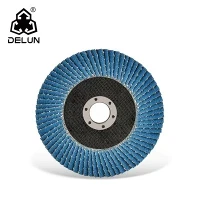
Before we delve into the usage, it's crucial to understand what a Flap Disk 115 is. The number 115 usually refers to the diameter of the flap disk, which is 115mm. Flap disks are multi - purpose abrasive tools that combine the flexibility of sandpaper with the durability of a grinding wheel. They are made up of multiple overlapping abrasive flaps attached to a central hub. This design allows for a large contact area with the workpiece, making them excellent for tasks such as grinding, blending, and finishing various materials, including metal, wood, and plastic.
Safety Precautions
Safety should always be your top priority when using any abrasive tool, including Flap Disk 115.
- Wear Appropriate Personal Protective Equipment (PPE): This includes safety glasses or goggles to protect your eyes from flying debris, a dust mask to prevent inhalation of dust particles, and gloves to shield your hands. ear protection is also recommended, as the noise generated during grinding can be harmful in the long run.
- Inspect the Flap Disk: Before use, carefully examine the flap disk for any signs of damage, such as cracked flaps, a loose hub, or uneven wear. Using a damaged flap disk can lead to dangerous situations, such as the disk coming apart during operation.
- Ensure Proper Machine Compatibility: Make sure the Flap Disk 115 is compatible with the grinder or power tool you are using. Check the maximum operating speed of both the disk and the tool, and never exceed the recommended speed of either component.
Preparation
- Select the Right Flap Disk: Different flap disks are designed for different applications. If you're working on stainless steel, for example, you might want to consider a Surface Conditioning Flap Disc 6inch, which is specifically engineered for this material. For more aggressive grinding tasks, an Abrasive Flap Wheel could be a better choice.
- Prepare the Workpiece: Clean the surface of the workpiece to remove any dirt, grease, or other contaminants. This will ensure better adhesion between the flap disk and the workpiece, improving the efficiency of the grinding or finishing process. Clamp the workpiece securely to prevent it from moving during operation.
Usage Techniques
- Start Slowly: When you first turn on the grinder, let the flap disk reach its full speed before making contact with the workpiece. This helps to prevent the disk from grabbing the material suddenly, which can cause damage to the disk or the workpiece and also pose a safety risk to the operator.
- Apply the Right Pressure: Applying too much pressure can cause premature wear of the flap disk and may also overheat the workpiece. On the other hand, applying too little pressure will result in inefficient grinding or finishing. Use a light to moderate pressure and let the abrasive action of the disk do the work.
- Use the Correct Angle: Hold the grinder at an appropriate angle to the workpiece. For most grinding and finishing tasks, an angle of about 15 - 30 degrees is ideal. This allows the flaps to make good contact with the surface and ensures an even distribution of wear across the disk.
- Move the Disk Continuously: Avoid keeping the flap disk in one place for too long, as this can cause uneven wear and may lead to overheating. Instead, move the disk in a smooth, continuous motion across the surface of the workpiece. This will help to achieve a consistent finish and prolong the life of the flap disk.
Maintenance and Storage
- Clean the Flap Disk Regularly: After each use, clean the flap disk to remove any debris or dust that has accumulated on the flaps. You can use a brush or compressed air to do this. This helps to maintain the cutting performance of the disk and also extends its lifespan.
- Store the Flap Disks Properly: Flap disks should be stored in a cool, dry place. Avoid exposing them to extreme temperatures, humidity, or direct sunlight, as these conditions can affect the quality of the abrasive material and the bonding of the flaps. Keep the disks in their original packaging whenever possible to protect them from damage.
Troubleshooting
- Excessive Wear: If you notice that the flap disk is wearing out too quickly, it could be due to applying too much pressure, using the wrong grit size for the task, or using the disk on an incompatible material. Adjust your technique or switch to a more appropriate disk.
- Poor Finish Quality: A poor finish may be caused by using a worn - out disk, not moving the disk continuously, or using an incorrect angle. Replace the disk if it's worn, improve your technique by maintaining a smooth motion and the correct angle.
Conclusion
Using Flap Disk 115 correctly is essential for achieving high - quality results in your grinding and finishing operations. By following the safety precautions, preparation steps, and usage techniques outlined in this blog post, you can ensure both the efficiency of your work and the longevity of your flap disks.


If you're interested in purchasing Flap Disk 115 or exploring our other products like Flap Disc Grinding Wheel, Flap Disc 115mm Blue Zirconia, and 5inch Flap Disc For Grinding, we're here to assist you. Contact us to start a procurement discussion, and our team of experts will be happy to help you find the right solutions for your needs.
References
- Abrasive Technology Handbook. Publisher: ABC Publishing.
- Safety Guidelines for Abrasive Tools. Author: John Doe. Year: 20XX.