




Surface cracks in abrasive grinding can be a real headache for those involved in metal processing and other related industries. As an abrasive grinding supplier, I've seen firsthand how these cracks can impact the quality of the final product, lead to increased costs, and even pose safety risks. In this blog post, I'll share some tips on how to prevent surface cracks in abrasive grinding based on my experience in the industry.
Understanding the Causes of Surface Cracks
Before we can talk about prevention, it's important to understand what causes surface cracks in the first place. There are several factors that can contribute to this issue, including:
- High Grinding Pressure: When too much pressure is applied during the grinding process, it can generate excessive heat. This heat can cause the surface of the material to expand and contract rapidly, leading to the formation of cracks.
- Incorrect Grinding Wheel Speed: Using a grinding wheel at the wrong speed can also result in surface cracks. If the wheel is spinning too fast, it can create a lot of friction and heat, while a wheel that's spinning too slowly may not be able to remove material efficiently, causing the grinding process to be more strenuous on the material.
- Dull Grinding Wheels: As a grinding wheel wears down, it becomes less efficient at removing material. A dull wheel can cause the material to heat up more than necessary, increasing the risk of surface cracks.
- Inappropriate Grinding Wheels: Different materials require different types of grinding wheels. Using the wrong wheel for a particular material can lead to poor grinding performance and an increased likelihood of surface cracks.
- Lack of Cooling: During grinding, a significant amount of heat is generated. Without proper cooling, this heat can build up and cause the material to crack.
Tips for Preventing Surface Cracks
Now that we know what causes surface cracks, let's look at some ways to prevent them.


1. Control Grinding Pressure
One of the most important things you can do to prevent surface cracks is to control the grinding pressure. You want to apply just enough pressure to remove the material effectively without overheating it. This may take a bit of practice, but you can start by using a light touch and gradually increasing the pressure as needed. If you notice that the material is starting to heat up or if the grinding process seems too difficult, reduce the pressure immediately.
2. Use the Right Grinding Wheel Speed
Make sure you're using the correct grinding wheel speed for the material you're working with. Most grinding wheels come with a recommended speed range, so be sure to follow these guidelines. You can usually find this information on the wheel itself or in the manufacturer's instructions. Using a variable-speed grinder can also give you more control over the grinding process and help you avoid using the wrong speed.
3. Keep Your Grinding Wheels Sharp
Regularly inspect your grinding wheels for signs of wear and tear. If a wheel looks dull or damaged, replace it immediately. A sharp wheel will not only remove material more efficiently but also generate less heat, reducing the risk of surface cracks. You can also use a wheel dresser to keep your wheels in good condition. This tool helps to reshape the wheel and expose fresh abrasive grains, keeping it sharp and effective.
4. Choose the Appropriate Grinding Wheel
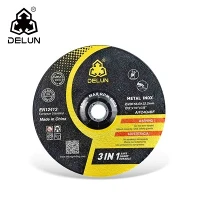
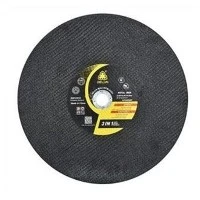
Selecting the right grinding wheel for the job is crucial. Consider the material you're grinding, the type of finish you want to achieve, and the grinding machine you're using. For example, if you're working with metal, you might want to use a Grinding Disc Metal Grinding INOX Grinding At 5 Inch Super Durability. This type of wheel is designed specifically for metal grinding and offers super durability. Similarly, if you need a larger wheel, the DELUN 9 INCH GRINDING DISC WITH EFFICIENT PERFORMANCE could be a great choice. It provides efficient performance and is suitable for a variety of applications.
5. Implement Proper Cooling
Cooling is essential in preventing surface cracks. You can use a coolant or lubricant during the grinding process to keep the material and the grinding wheel cool. This helps to dissipate the heat generated during grinding and reduces the risk of thermal cracking. There are different types of coolants available, so choose one that's suitable for the material you're working with. Some coolants also have lubricating properties, which can further improve the grinding process.
6. Control the Feed Rate
The feed rate, or the speed at which the material is fed into the grinding wheel, also plays a role in preventing surface cracks. A slow and steady feed rate is generally better than a fast one. If you feed the material too quickly, the grinding wheel may not be able to remove the material efficiently, causing it to overheat. On the other hand, if the feed rate is too slow, it can also lead to excessive heat buildup. Find the right balance for the material and the grinding wheel you're using.
Case Studies
Let's take a look at a couple of case studies to see how these prevention methods work in real - world situations.
Case Study 1: Metal Fabrication Shop
A metal fabrication shop was experiencing a high rate of surface cracks in their stainless steel parts during the grinding process. After analyzing the situation, they realized that they were using a dull grinding wheel and applying too much pressure. They replaced the wheel with a 100mm Best Grinding Disc For Metal INOX Processing and adjusted the grinding pressure. They also started using a coolant to keep the parts cool. As a result, the number of surface cracks decreased significantly, and the quality of their products improved.
Case Study 2: Automotive Parts Manufacturer
An automotive parts manufacturer was having issues with surface cracks in their aluminum components. They found that the grinding wheel speed was too high, which was generating excessive heat. They reduced the wheel speed and switched to a more appropriate grinding wheel for aluminum. They also implemented a proper cooling system. These changes led to a dramatic reduction in surface cracks and an increase in production efficiency.
Conclusion
Preventing surface cracks in abrasive grinding is all about understanding the causes and taking the right preventive measures. By controlling grinding pressure, using the correct wheel speed, keeping your wheels sharp, choosing the right wheel, implementing proper cooling, and controlling the feed rate, you can significantly reduce the risk of surface cracks.
If you're in the market for high - quality abrasive grinding products, we've got you covered. We offer a wide range of grinding discs, including the 4.5 Inch Grinding Disc Metal Grinding Metal Processing Durable, that are designed to meet your specific needs. Whether you're a small-scale workshop or a large industrial facility, we can provide the solutions you need to achieve the best results in your grinding operations.
If you're interested in learning more about our products or have any questions about preventing surface cracks in abrasive grinding, don't hesitate to reach out. We're here to help you improve your grinding processes and enhance the quality of your products.
References
- "Grinding Technology: Theory and Applications of Machining with Abrasives" by Stephen Malkin
- "Handbook of Abrasive Technology" by Patrick Kalpakjian and Steven R. Schmid