


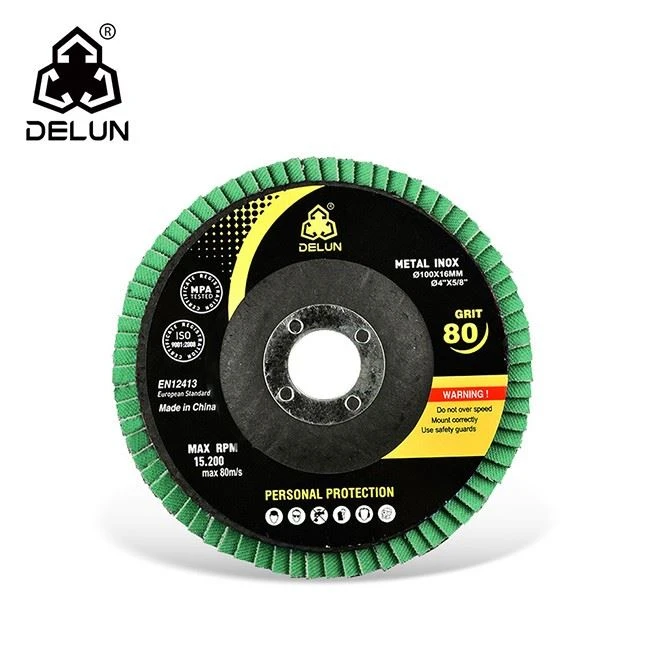
In the realm of abrasive tools, the abrasive flap wheel stands out as a versatile and indispensable asset for a wide range of industrial and DIY applications. As a leading supplier of abrasive flap wheels, I've witnessed firsthand the significant impact that the flexibility of these tools can have on their overall performance. In this blog post, I'll delve into the intricate relationship between the flexibility of an abrasive flap wheel and its performance, exploring how this characteristic influences cutting efficiency, surface finish, and tool longevity.
Understanding the Flexibility of Abrasive Flap Wheels
Before we explore the impact of flexibility on performance, it's essential to understand what flexibility means in the context of abrasive flap wheels. Flexibility refers to the ability of the flap wheel to conform to the shape of the workpiece and adapt to different surface contours. This characteristic is primarily determined by the design and construction of the flap wheel, including the type of backing material, the thickness and density of the abrasive flaps, and the bonding method used to attach the flaps to the wheel.
Abrasive flap wheels can be classified into two main categories based on their flexibility: rigid and flexible. Rigid flap wheels are designed to maintain their shape and provide a consistent cutting action, making them ideal for heavy-duty applications that require high material removal rates. On the other hand, flexible flap wheels are more adaptable and can conform to irregular surfaces, making them suitable for finishing and deburring operations where a smooth and uniform surface finish is desired.
Impact of Flexibility on Cutting Efficiency
One of the most significant ways in which the flexibility of an abrasive flap wheel affects its performance is through its impact on cutting efficiency. In general, flexible flap wheels are more efficient at removing material than rigid flap wheels, especially when working on curved or irregular surfaces. This is because the flexible flaps can conform to the shape of the workpiece, allowing them to make better contact with the surface and apply more pressure evenly. As a result, the cutting action is more effective, and the material removal rate is higher.
For example, when using a flexible flap wheel to grind a stainless steel pipe, the flaps can wrap around the curvature of the pipe, ensuring that the abrasive particles make contact with the entire surface. This results in a more uniform and efficient grinding process, reducing the time and effort required to achieve the desired finish. In contrast, a rigid flap wheel may struggle to conform to the shape of the pipe, leading to uneven grinding and a lower material removal rate.

Influence on Surface Finish
Another crucial aspect of abrasive flap wheel performance is the surface finish it can achieve. The flexibility of the flap wheel plays a significant role in determining the quality of the surface finish, as it affects how the abrasive particles interact with the workpiece. Flexible flap wheels are generally better at producing a smooth and uniform surface finish than rigid flap wheels, as they can conform to the surface irregularities and distribute the cutting forces more evenly.
When using a flexible flap wheel for finishing operations, the flaps can follow the contours of the workpiece, ensuring that the abrasive particles remove only the necessary amount of material without causing excessive damage to the surface. This results in a finer and more consistent surface finish, which is particularly important for applications where aesthetics and precision are critical. For instance, in the manufacturing of high-quality stainless steel products, a smooth and uniform surface finish is essential to enhance the appearance and functionality of the final product.
Effect on Tool Longevity
The flexibility of an abrasive flap wheel can also have a significant impact on its longevity. A flexible flap wheel is less likely to experience premature wear and damage than a rigid flap wheel, as it can adapt to the changing conditions of the workpiece and distribute the cutting forces more evenly. This reduces the stress on the individual flaps and the bonding material, extending the life of the tool.
In addition, flexible flap wheels are more resistant to clogging and loading, which can significantly reduce their cutting efficiency and lifespan. The ability of the flaps to flex and move allows them to shed debris more easily, preventing the accumulation of material on the surface of the wheel. This ensures that the abrasive particles remain exposed and effective, maintaining the cutting performance of the flap wheel over a longer period.
Applications and Considerations
The flexibility of an abrasive flap wheel makes it suitable for a wide range of applications, including grinding, finishing, deburring, and polishing. When selecting an abrasive flap wheel for a specific application, it's important to consider the flexibility requirements based on the type of workpiece and the desired surface finish.
For heavy-duty grinding applications where high material removal rates are required, a rigid flap wheel may be more appropriate. These wheels are designed to provide a consistent cutting action and can withstand the high pressures and forces associated with heavy grinding. However, for finishing and deburring operations where a smooth and uniform surface finish is desired, a flexible flap wheel is often the better choice.
It's also important to consider the type of abrasive material used in the flap wheel, as this can also affect its performance. For example, Zirconia Flap Disc are known for their high cutting efficiency and long lifespan, making them suitable for a variety of applications. Stainless Steel Pipe Abrasive Flap Wheels are specifically designed for use on stainless steel pipes and offer excellent performance and durability.
Conclusion
In conclusion, the flexibility of an abrasive flap wheel is a critical factor that can significantly affect its performance. By understanding the relationship between flexibility and cutting efficiency, surface finish, and tool longevity, you can make informed decisions when selecting an abrasive flap wheel for your specific application. Whether you're working on a heavy-duty grinding project or a delicate finishing operation, choosing the right flap wheel with the appropriate flexibility can help you achieve the best results.
If you're interested in learning more about our range of abrasive flap wheels or have any questions about their performance and applications, please don't hesitate to contact us. We're here to help you find the perfect solution for your needs and ensure that you get the most out of your abrasive tools.
References
- Smith, J. (2020). Abrasive Tools: A Comprehensive Guide. Industrial Publishing.
- Johnson, R. (2019). The Science of Abrasive Cutting. Journal of Manufacturing Technology.
- Brown, A. (2018). Flexibility in Abrasive Flap Wheels: Impact on Performance. Abrasive Technology Review.