



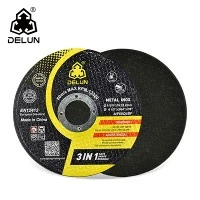
Thin cutting discs are essential tools in various industries, including metalworking, construction, and automotive repair. They are designed to make precise and efficient cuts through a variety of materials, such as metal, stainless steel, and aluminum. However, when it comes to high-pressure cutting, thin cutting discs face unique challenges and require specific handling techniques. In this blog post, I'll share my insights as a thin cutting discs supplier on how these discs handle high-pressure cutting.
Understanding High-Pressure Cutting
High-pressure cutting involves using a cutting tool to make cuts under significant force or pressure. This can occur in various scenarios, such as when cutting through thick or hard materials, or when using high-powered equipment. The pressure applied during cutting can affect the performance and lifespan of the cutting disc, as well as the quality of the cut.
The Design of Thin Cutting Discs for High-Pressure Cutting
Thin cutting discs are engineered to withstand high-pressure cutting conditions. They are typically made from high-quality abrasive materials, such as aluminum oxide or silicon carbide, which provide excellent cutting performance and durability. The disc's thin design allows for faster cutting speeds and reduces the amount of material removed during the cutting process, minimizing heat generation and wear on the disc.
In addition to the abrasive material, the bond that holds the abrasive grains together is also crucial for high-pressure cutting. A strong bond ensures that the abrasive grains stay in place during cutting, preventing them from being dislodged by the high pressure. This helps to maintain the disc's cutting performance and extends its lifespan.


Handling High-Pressure Cutting with Thin Cutting Discs
When using thin cutting discs for high-pressure cutting, it's important to follow proper handling techniques to ensure safe and efficient operation. Here are some key considerations:
1. Choose the Right Disc
Selecting the appropriate thin cutting disc for the specific cutting application is essential. Consider the material being cut, the thickness of the material, and the cutting equipment being used. For example, if you're cutting through stainless steel, you may need a Angle Grinder Wheel for Stainless Steel that is specifically designed for this material. Similarly, if you're using a 4-inch grinder, a Cut Off Wheel for 4 Inch Grinder 107mm would be the right choice.
2. Use the Correct Cutting Speed
Operating the cutting equipment at the correct speed is crucial for high-pressure cutting. Running the equipment too fast can cause the disc to overheat and wear out quickly, while running it too slow can result in a poor-quality cut. Refer to the manufacturer's recommendations for the optimal cutting speed based on the disc and the material being cut.
3. Apply the Right Pressure
Applying the right amount of pressure during cutting is important to ensure a smooth and efficient cut. Too much pressure can cause the disc to bind or break, while too little pressure can result in a slow and ineffective cut. Use a steady and even pressure when cutting, and avoid applying excessive force.
4. Cool the Disc
High-pressure cutting generates a significant amount of heat, which can affect the performance and lifespan of the cutting disc. To prevent overheating, it's important to cool the disc during cutting. This can be done by using a coolant or by periodically stopping the cutting process to allow the disc to cool down.
5. Inspect the Disc Regularly
Regularly inspecting the thin cutting disc for signs of wear or damage is essential for safe and efficient operation. Look for cracks, chips, or uneven wear on the disc, and replace it if necessary. Using a damaged disc can increase the risk of accidents and result in a poor-quality cut.
Benefits of Using Thin Cutting Discs for High-Pressure Cutting
Using thin cutting discs for high-pressure cutting offers several benefits, including:
1. Precision Cutting
Thin cutting discs are designed to make precise cuts, even under high-pressure conditions. This allows for accurate and clean cuts, reducing the need for additional finishing work.
2. Faster Cutting Speeds
The thin design of the cutting disc allows for faster cutting speeds, increasing productivity and reducing cutting time.
3. Reduced Heat Generation
Thin cutting discs generate less heat during cutting compared to thicker discs, which helps to prevent damage to the material being cut and extends the lifespan of the disc.
4. Cost-Effective
Thin cutting discs are generally more cost-effective than thicker discs, as they require less material and have a longer lifespan.
Conclusion
Thin cutting discs are capable of handling high-pressure cutting when used correctly. By understanding the design of these discs, following proper handling techniques, and choosing the right disc for the specific cutting application, you can ensure safe and efficient operation. If you're in the market for high-quality thin cutting discs, I invite you to explore our range of Thin Cutting Discs and 4inch Cutting Disc. We also offer EN12413 Cutting Disc that meet the highest industry standards. If you have any questions or would like to discuss your specific cutting needs, please don't hesitate to contact us for a procurement discussion.
References
- "Cutting Tools Handbook," Industrial Press Inc.
- "Abrasive Technology," Norton Abrasives.
- Manufacturer's product specifications and guidelines for thin cutting discs.