


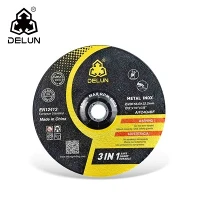


As a seasoned supplier of flap disc wheels, I often encounter a common question from customers: "Can a flap disc wheel be used for polishing?" In this blog post, I'll delve into this topic, exploring the capabilities of flap disc wheels in the polishing process, their limitations, and the factors to consider when using them for polishing applications.
Understanding Flap Disc Wheels
Before we discuss whether flap disc wheels can be used for polishing, it's essential to understand what they are and how they work. A flap disc wheel is a type of abrasive tool composed of multiple overlapping abrasive flaps attached to a backing plate. These flaps are typically made of abrasive materials such as aluminum oxide, zirconia alumina, or ceramic alumina, and they are designed to wear down gradually during use, exposing fresh abrasive particles and maintaining a consistent cutting action.
Flap disc wheels are commonly used for grinding, blending, and finishing applications on various materials, including metal, stainless steel, and non-ferrous metals. They are known for their versatility, durability, and ability to provide a smooth, even finish. However, their suitability for polishing depends on several factors, including the type of abrasive material, the grit size of the flaps, and the specific requirements of the polishing task.


Can Flap Disc Wheels be Used for Polishing?
The answer to this question is both yes and no. While flap disc wheels are primarily designed for grinding and finishing applications, they can be used for certain types of polishing tasks under the right conditions. However, it's important to note that they are not typically considered a dedicated polishing tool, and their performance may not be as effective as that of specialized polishing wheels or compounds.
Factors to Consider
- Abrasive Material: The type of abrasive material used in the flap disc wheel plays a crucial role in its suitability for polishing. Some abrasive materials, such as aluminum oxide, are better suited for general-purpose grinding and finishing, while others, such as ceramic alumina, are known for their superior cutting ability and durability. For polishing applications, it's recommended to choose a flap disc wheel with a fine-grit abrasive material, such as aluminum oxide or silicon carbide, which can provide a smoother finish.
- Grit Size: The grit size of the flaps on a flap disc wheel refers to the size of the abrasive particles. A lower grit size indicates larger abrasive particles, which are more aggressive and suitable for grinding and removing material quickly. A higher grit size indicates smaller abrasive particles, which are finer and better suited for finishing and polishing applications. For polishing, it's generally recommended to use a flap disc wheel with a grit size of 80 or higher.
- Material to be Polished: The type of material being polished also affects the suitability of a flap disc wheel. Flap disc wheels are most commonly used for polishing metal and stainless steel, but they can also be used on other materials, such as wood, plastic, and fiberglass. However, the abrasive action of the flap disc wheel may cause damage to softer materials, so it's important to choose the right grit size and abrasive material for the specific application.
- Polishing Requirements: The specific requirements of the polishing task, such as the desired finish, the level of smoothness, and the amount of material removal, also need to be considered. If a high-gloss, mirror-like finish is required, a flap disc wheel may not be the best choice, as it may not be able to achieve the same level of smoothness as a dedicated polishing wheel or compound. However, if a more matte or satin finish is acceptable, a flap disc wheel can be a cost-effective and efficient option.
Advantages of Using Flap Disc Wheels for Polishing
While flap disc wheels may not be the ideal choice for all polishing applications, they offer several advantages that make them a popular option for certain types of tasks:
- Versatility: Flap disc wheels can be used for a wide range of applications, including grinding, blending, and finishing, as well as polishing. This makes them a versatile tool that can be used in various industries, such as metalworking, automotive, and construction.
- Durability: Flap disc wheels are designed to be durable and long-lasting, with a high resistance to wear and tear. This means that they can be used for extended periods of time without needing to be replaced, reducing downtime and increasing productivity.
- Cost-Effective: Compared to dedicated polishing wheels or compounds, flap disc wheels are generally more cost-effective, making them a popular choice for budget-conscious users. Additionally, their versatility allows them to be used for multiple applications, further reducing the overall cost of ownership.
- Ease of Use: Flap disc wheels are easy to use and require minimal training. They can be attached to a variety of power tools, such as angle grinders, and can be used with both hand-held and stationary equipment.
Limitations of Using Flap Disc Wheels for Polishing
While flap disc wheels offer several advantages for polishing applications, they also have some limitations that need to be considered:
- Limited Polishing Ability: As mentioned earlier, flap disc wheels are primarily designed for grinding and finishing applications, and their polishing ability is limited compared to dedicated polishing wheels or compounds. They may not be able to achieve the same level of smoothness or gloss as a specialized polishing tool, especially for high-end or precision polishing tasks.
- Risk of Surface Damage: The abrasive action of the flap disc wheel can cause damage to the surface being polished, especially if the wrong grit size or abrasive material is used. This can result in scratches, swirl marks, or other surface imperfections that may require additional finishing or polishing to correct.
- Heat Generation: Flap disc wheels generate a significant amount of heat during use, which can cause the material being polished to warp or distort. This is especially true for thin or delicate materials, such as aluminum or stainless steel, which are more susceptible to heat damage.
- Dust and Debris: The use of flap disc wheels produces a large amount of dust and debris, which can be hazardous to health if inhaled. It's important to use appropriate personal protective equipment, such as a dust mask and safety glasses, and to ensure proper ventilation in the work area to minimize the risk of exposure.
Tips for Using Flap Disc Wheels for Polishing
If you decide to use a flap disc wheel for polishing, here are some tips to help you achieve the best results:
- Choose the Right Flap Disc Wheel: Select a flap disc wheel with a fine-grit abrasive material and a suitable grit size for the specific polishing task. For a smoother finish, choose a higher grit size. You can explore our Plastic Backing Flap Disc and Flap Disc Grit For Sharpening for metal and stainless steel options.
- Prepare the Surface: Before polishing, make sure the surface is clean and free of any dirt, grease, or debris. This will help to ensure a smooth and even finish.
- Use the Right Technique: When using a flap disc wheel for polishing, it's important to use a light touch and apply even pressure. Avoid applying too much pressure, as this can cause the flap disc to overheat and damage the surface.
- Cool the Surface: To prevent heat damage, it's recommended to cool the surface being polished periodically using a coolant or water. This will help to dissipate the heat and prevent the material from warping or distorting.
- Finish with a Polishing Compound: For a higher-quality finish, you can follow up the polishing with a dedicated polishing compound. This will help to remove any remaining scratches or swirl marks and achieve a smoother, more reflective surface. You may be interested in our Flap Disc For Metal Polishing 100mm for such tasks.
Conclusion
In conclusion, while flap disc wheels can be used for certain types of polishing tasks, they are not typically considered a dedicated polishing tool. Their suitability for polishing depends on several factors, including the type of abrasive material, the grit size of the flaps, the material to be polished, and the specific requirements of the polishing task. While they offer several advantages, such as versatility, durability, and cost-effectiveness, they also have some limitations, such as limited polishing ability and the risk of surface damage.
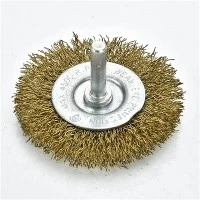
If you're considering using a flap disc wheel for polishing, it's important to choose the right product and follow the proper techniques to achieve the best results. As a leading supplier of flap disc wheels, we offer a wide range of products to suit your specific needs. Whether you're looking for a 100 mm Flap Disc or a 4 Inch Flat Wheel Brush For High Quality And Durable, we have the solution for you.
If you have any questions or would like to discuss your specific requirements, please don't hesitate to contact us. We're here to help you find the right flap disc wheel for your polishing applications and provide you with the best possible service.
References
- Abrasive Engineering Handbook
- Metal Finishing and Polishing Techniques