



Hey there! As a supplier of Twisted Cup Brushes, I often get asked if these brushes are suitable for cleaning delicate surfaces. Well, let's dive right into it and find out.
First off, what exactly are Twisted Cup Brushes? These brushes are a type of wire brush where the wires are twisted together. They come in various sizes and wire materials, and they're commonly used in industrial and DIY settings for tasks like rust removal, deburring, and surface preparation. But when it comes to delicate surfaces, things get a bit more complicated.
Understanding Delicate Surfaces
Before we can determine if Twisted Cup Brushes are a good fit for delicate surfaces, we need to know what we mean by "delicate." Delicate surfaces can include things like antique furniture, painted surfaces, glass, and certain types of metal that are easily scratched or damaged. These surfaces require a gentle touch to avoid leaving marks or causing permanent damage.
The Pros of Using Twisted Cup Brushes on Delicate Surfaces
One of the advantages of Twisted Cup Brushes is their versatility. They can be used with different wire materials, such as nylon or brass, which are relatively soft compared to steel. Nylon brushes, for example, are great for cleaning without scratching. They can be used to remove dirt, dust, and light grime from delicate surfaces like painted wood or glass.
Brass brushes are also a good option. They're a bit stiffer than nylon but still soft enough to be used on many delicate metals without causing too much damage. They can be used to clean and polish brass, copper, and other non - ferrous metals, bringing back their shine without leaving deep scratches.
Another pro is that Twisted Cup Brushes can be attached to power tools, such as angle grinders or drills. This allows for a more efficient cleaning process, especially when dealing with larger areas. With the right speed settings and a gentle touch, you can use the power of the tool to clean delicate surfaces without applying too much pressure.
The Cons of Using Twisted Cup Brushes on Delicate Surfaces
However, there are also some drawbacks. If you use a Twisted Cup Brush with hard wire, like steel, on a delicate surface, it can cause serious damage. Steel brushes are great for heavy - duty cleaning, such as removing rust from thick metal, but they're way too abrasive for most delicate surfaces. They can scratch, gouge, or even remove the finish from surfaces like painted wood or polished metal.
Even if you use a softer wire material, there's still a risk of damage if you're not careful. The spinning action of the brush can create friction, which might heat up the surface and cause discoloration or warping, especially on materials like plastic or thin metal.


Choosing the Right Twisted Cup Brush
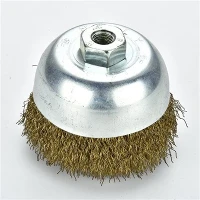
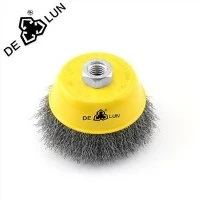
If you're considering using a Twisted Cup Brush on a delicate surface, it's crucial to choose the right one. Look for brushes with soft wire materials like nylon or brass. You can find a variety of options on our website, such as the Cleaning Brush Steel Crimped Wire Polishing and the Twisted Cup Wire Brush 4inch. These brushes are designed to provide a gentle yet effective cleaning solution.
It's also important to consider the size of the brush. A smaller brush might give you more control, especially when working on small or intricate areas. On the other hand, a larger brush can cover more ground quickly, but it might be more difficult to control on delicate surfaces.
Tips for Using Twisted Cup Brushes on Delicate Surfaces
Here are some tips to help you use Twisted Cup Brushes safely on delicate surfaces:
- Test on a small area first: Before you start cleaning the entire surface, test the brush on a small, inconspicuous area. This will allow you to see how the surface reacts to the brush and make any necessary adjustments.
- Use low speed: If you're using a power tool, set it to a low speed. This will reduce the amount of friction and pressure applied to the surface, minimizing the risk of damage.
- Apply light pressure: Let the brush do the work. Applying too much pressure can increase the chances of scratching or damaging the surface.
- Keep the brush clean: A dirty brush can carry debris that might scratch the surface. Make sure to clean the brush regularly during the cleaning process.
Alternatives to Twisted Cup Brushes for Delicate Surfaces
If you're still not sure if a Twisted Cup Brush is the right choice for your delicate surface, there are other options available. Microfiber cloths are a great alternative for cleaning delicate surfaces. They're soft, absorbent, and can be used to remove dust, dirt, and fingerprints without scratching.
Soft - bristle brushes, such as those made from natural hair or synthetic fibers, can also be used. These brushes are gentle enough to clean delicate surfaces without causing damage.
Conclusion
So, are Twisted Cup Brushes suitable for cleaning delicate surfaces? The answer is: it depends. If you choose the right brush with a soft wire material and follow the proper safety tips, they can be a useful tool for cleaning delicate surfaces. However, if you're not careful, they can cause serious damage.
As a supplier, we offer a wide range of Twisted Cup Brushes, including the Crimped Wire Cup Brush, that are designed to meet different cleaning needs. If you're interested in purchasing our Twisted Cup Brushes for your cleaning projects, whether it's for delicate surfaces or heavy - duty tasks, feel free to reach out for a procurement discussion. We're here to help you find the right brush for your specific requirements.
References
- "Wire Brushes: A Guide to Selection and Use" - Industrial Supply Handbook
- "Cleaning Delicate Surfaces: Best Practices" - Home Maintenance Magazine