


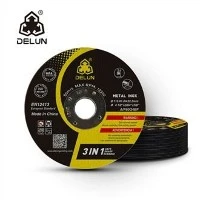

When it comes to metal cutting, the choice between a thin and thick metal cutting disc can significantly impact the efficiency, precision, and overall quality of the cutting process. As a trusted supplier of Metal Cutting Discs, I've witnessed firsthand the diverse needs of our customers and the importance of understanding the differences between these two types of cutting discs. In this blog post, I'll delve into the key distinctions between thin and thick metal cutting discs, their respective advantages and disadvantages, and how to choose the right one for your specific cutting requirements.
Thickness and Composition
The most obvious difference between thin and thick metal cutting discs lies in their thickness. Thin cutting discs typically range from 0.8mm to 2.0mm in thickness, while thick cutting discs can be anywhere from 2.5mm to 6.0mm or more. This difference in thickness is directly related to the disc's composition and intended use.
Thin cutting discs are usually made from a combination of abrasive grains and a resin bond. The abrasive grains, such as aluminum oxide or silicon carbide, are responsible for cutting through the metal, while the resin bond holds the grains together and provides the disc with its structural integrity. The thin profile of these discs allows for faster cutting speeds and greater precision, making them ideal for applications where accuracy and minimal material removal are crucial.
On the other hand, thick cutting discs are often made with a more robust composition, including a higher concentration of abrasive grains and a stronger bond. This makes them more durable and better suited for heavy-duty cutting applications, such as cutting through thick metal plates or structural steel. The thicker profile of these discs also provides greater stability and reduces the risk of warping or breaking during the cutting process.
Cutting Speed and Efficiency
One of the primary advantages of thin metal cutting discs is their ability to cut through metal at a faster speed. The thin profile of these discs allows for a smaller contact area with the workpiece, which reduces friction and heat generation. This, in turn, enables the disc to cut through the metal more quickly and efficiently, resulting in shorter cutting times and increased productivity.
In contrast, thick metal cutting discs are generally slower to cut through metal due to their larger contact area and higher resistance. However, they make up for this in terms of durability and longevity. Thick cutting discs can withstand more pressure and abuse, making them ideal for continuous cutting applications where the disc needs to maintain its cutting performance over an extended period of time.
Precision and Finish
Another important factor to consider when choosing between a thin and thick metal cutting disc is the level of precision and finish required for the cutting application. Thin cutting discs are known for their ability to provide a clean, precise cut with minimal burrs or rough edges. This makes them ideal for applications where a high level of accuracy and a smooth finish are essential, such as cutting thin metal sheets or pipes.
Thick cutting discs, on the other hand, are better suited for applications where a rough cut is acceptable or where the metal needs to be cut quickly and efficiently. While they may not provide the same level of precision as thin cutting discs, they can still produce a clean and straight cut with minimal distortion.
Application and Compatibility
The choice between a thin and thick metal cutting disc also depends on the specific application and the type of metal being cut. Thin cutting discs are typically used for light to medium-duty cutting applications, such as cutting through thin metal sheets, pipes, or bars. They are also commonly used in applications where a high level of precision and a smooth finish are required, such as in the automotive, aerospace, and manufacturing industries.
Thick cutting discs, on the other hand, are designed for heavy-duty cutting applications, such as cutting through thick metal plates, structural steel, or large diameter pipes. They are also commonly used in applications where a rough cut is acceptable or where the metal needs to be cut quickly and efficiently, such as in the construction, demolition, and metal fabrication industries.
It's important to note that not all cutting discs are compatible with all types of metal. Some cutting discs are specifically designed for cutting through certain types of metal, such as stainless steel, aluminum, or cast iron. When choosing a cutting disc, it's important to select one that is compatible with the type of metal you are cutting to ensure optimal performance and safety.
Safety Considerations
Regardless of whether you choose a thin or thick metal cutting disc, safety should always be your top priority. Cutting discs can be extremely dangerous if not used properly, and it's important to follow all safety guidelines and precautions when using them.
Some of the key safety considerations when using metal cutting discs include:
- Wear appropriate safety gear: This includes safety glasses, gloves, and a face shield to protect your eyes, hands, and face from flying debris.
- Use the correct cutting speed and pressure: Using the wrong cutting speed or pressure can cause the cutting disc to overheat, break, or shatter, which can result in serious injury.
- Inspect the cutting disc before use: Check the cutting disc for any signs of damage or wear, such as cracks, chips, or uneven wear. If the cutting disc is damaged, do not use it.
- Secure the workpiece: Make sure the workpiece is securely clamped or held in place to prevent it from moving or vibrating during the cutting process.
- Keep the cutting area clean: Remove any debris or metal shavings from the cutting area to prevent them from interfering with the cutting process or causing the cutting disc to overheat.
Choosing the Right Cutting Disc
Now that you understand the differences between thin and thick metal cutting discs, how do you choose the right one for your specific cutting requirements? Here are some key factors to consider:
- Type of metal: As mentioned earlier, different cutting discs are designed for cutting through different types of metal. Make sure you choose a cutting disc that is compatible with the type of metal you are cutting.
- Thickness of the metal: The thickness of the metal you are cutting will also determine the type of cutting disc you need. Thin cutting discs are ideal for cutting through thin metal sheets, while thick cutting discs are better suited for cutting through thick metal plates.
- Cutting application: Consider the specific cutting application you need the disc for. If you need a precise cut with a smooth finish, a thin cutting disc may be the best choice. If you need to cut through thick metal quickly and efficiently, a thick cutting disc may be more suitable.
- Cutting speed and efficiency: If you need to cut through metal quickly, a thin cutting disc may be the better option. However, if you need a more durable disc that can withstand continuous use, a thick cutting disc may be a better choice.
- Budget: Finally, consider your budget when choosing a cutting disc. Thin cutting discs are generally less expensive than thick cutting discs, but they may not be as durable or long-lasting.
Our Product Range
As a leading supplier of Metal Cutting Discs, we offer a wide range of thin and thick cutting discs to meet the diverse needs of our customers. Our 4.5 Metal Cutting Disc is a popular choice for light to medium-duty cutting applications, while our Stainless Steel Cut Off Wheel is specifically designed for cutting through stainless steel. We also offer 4.5" Metal Cut Off Wheels for a variety of cutting applications.


Contact Us for Procurement
If you're looking for high-quality metal cutting discs that offer superior performance and durability, look no further. Our team of experts is here to help you choose the right cutting disc for your specific needs and provide you with the support and guidance you need to ensure a successful cutting operation. Contact us today to discuss your procurement requirements and let us help you find the perfect solution for your business.
References
- ASME B11.10 - Safety Requirements for Abrasive Wheel Machines
- ANSI B7.1 - Safety Requirements for Grinding Wheels
- OSHA 29 CFR 1910.215 - Abrasive Wheel Machinery