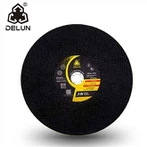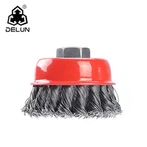




How to select Flap disc?
When selecting a flap disc, there are several factors to consider to ensure you choose the right one for your specific application.
Here are some key points to keep in mind:
1. Disc Size: Determine the appropriate disc size based on the grinder or sander you will be using. Flap discs come in various sizes, such as 4.5 inches, 5 inches, and 7 inches, among others. Make sure the disc size matches the tool you have.
2. Abrasive Material: Flap discs are available in different abrasive materials, including aluminum oxide, zirconia alumina, ceramic alumina, and silicon carbide. Each material has its own characteristics and is suitable for specific applications. For example:
- Aluminum Oxide: Ideal for general-purpose grinding and blending.
- Zirconia Alumina: Offers better performance and durability for heavy-duty applications.
- Ceramic Alumina: Suitable for high-pressure grinding and stock removal on hard metals.
- Silicon Carbide: Primarily used for grinding non-ferrous metals and stone.
3. Grit Size: Flap discs are available in various grit sizes, ranging from coarse to fine. The grit size determines the aggressiveness and the finish achieved. Coarser grits (e.g., 40 to 60) are typically used for rapid stock removal, while finer grits (e.g., 80 to 120) are used for finer finishes. Consider the level of material removal and the desired surface finish when choosing the appropriate grit size.
4. Backing Plate Type: The backing plate provides stability to the flap disc and affects its performance. There are two main types of backing plates:
- Fiberglass: Commonly used for general applications and provides good flexibility.
- Plastic: Suitable for applications where flexibility is crucial, such as contour grinding.
5. Disc Shape: Flap discs come in different shapes, such as flat, conical, and angled. The shape affects the angle at which the disc contacts the workpiece and determines the type of grinding or finishing action. Choose the shape that best suits your specific task.
6. Application: Consider the material you will be working on (e.g., steel, stainless steel, wood, etc.) and the intended task (e.g., grinding, blending, finishing). Different materials and applications may require specific flap discs with appropriate abrasive materials and grit sizes.
7. Quality and Brand: Lastly, choose reputable brands and ensure the flap discs meet safety standards and quality requirements. Reliable brands often provide consistent performance and durability.
Remember to always follow the manufacturer's recommendations and safety guidelines when using flap discs. It's also a good idea to consult with experts or professionals if you have specific or specialized requirements for your application.