



How to select cutting disc ?
Selecting the right cutting disc is essential for safe and efficient cutting operations. Here's a guide to help you choose a suitable cutting disc:
1. Disc Size: Determine the appropriate disc size based on the tool you will be using, such as an angle grinder or a cut-off saw. Cutting discs come in various sizes, including 4 inches, 4.5 inches, 5 inches, and larger. Ensure the disc size matches the tool's specifications.
2. Disc Type: There are different types of cutting discs available, and the choice depends on the material you will be cutting. The two main types are:
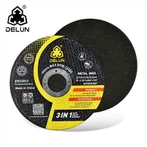
- Metal Cutting Discs: Designed specifically for cutting metallic materials like steel, iron, and stainless steel. These discs have a reinforced construction with a high concentration of abrasive particles.
- Masonry Cutting Discs: Suitable for cutting materials like concrete, brick, stone, and masonry. Masonry discs have a different composition and are able to withstand the stresses associated with cutting through these hard materials.
3. Thickness: Cutting discs come in various thicknesses, typically ranging from 0.04 inches to 0.125 inches. Thicker discs are more durable and suitable for heavy-duty cutting, while thinner discs offer faster cutting with less material wastage. Consider the material thickness and the desired cutting speed when selecting the disc thickness.
4. Arbor Size: Ensure that the cutting disc's arbor size matches the arbor size of your tool. The arbor is the central mounting hole of the disc that fits onto the tool's spindle.
5. Quality and Brand: Choose cutting discs from reputable brands that adhere to safety standards and quality requirements. Reliable brands often provide discs with consistent performance, durability, and safety features.
6. Application: Consider the material you will be cutting (e.g., steel, concrete, etc.) and the specific cutting task. Different materials may require specialized cutting discs designed for optimal performance and longevity.
7. Safety Considerations: Always prioritize safety when selecting cutting discs. Look for discs with appropriate safety markings and certifications, such as ANSI (American National Standards Institute) or OSHA (Occupational Safety and Health Administration) compliance. Ensure the disc is suitable for the maximum RPM (revolutions per minute) of your tool and follow all safety guidelines and recommendations provided by the manufacturer.
If you are uncertain about the appropriate cutting disc for your specific application or if you have specialized cutting requirements, it's advisable to consult with experts or professionals who can provide guidance based on their experience and knowledge.