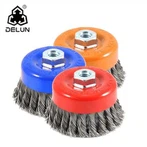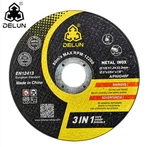




Wire wheels are an essential tool for any DIY enthusiast or professional mechanic. These versatile tools can be used for sanding, buffing, and removing rust and other types of corrosion from surfaces. However, with so many different wire wheels on the market, it can be difficult to determine which one is right for your job. In this article, we'll provide you with some helpful tips on how to choose the perfect wire wheel to get the job done quickly and efficiently.
1. Determine the job you need to do
Before you start shopping for a wire wheel, you need to determine the type of job you need to do. Are you removing paint from a car or bike, or are you restoring an antique metal piece? Different wire wheels are designed for different tasks, so understanding your needs will help you choose the right one. For example, coarser wire wheels are best for removing rust and paint, while finer wheels are ideal for polishing and buffing. Additionally, some wire wheels are designed for use on specific materials, such as aluminum or stainless steel.
2. Choose the right size wire wheel
Another important consideration when choosing a wire wheel is the size. Wire wheels come in a variety of sizes, ranging from small, handheld units to larger, benchtop models. The size of the wire wheel you choose will depend on the task you need to perform. For smaller jobs, a handheld unit may be sufficient. However, for larger jobs, you'll need a larger, benchtop model to get the job done in a timely and efficient manner.
3. Choose the right material
In addition to size, the material used to construct the wire wheel is also important. Wire wheels can be made from a variety of materials, including stainless steel, carbon steel, and brass. The material you choose will depend on the material you'll be working on. For example, a stainless steel wire wheel is ideal for use on aluminum and stainless steel surfaces, while a brass wire wheel is best for use on softer metals like copper and brass.
4. Consider the wire wheel's RPM
The rotational speed of the wire wheel, commonly measured in revolutions per minute (RPM), is another important consideration when choosing a wire wheel. Depending on the type of job you need to perform, you'll need a wire wheel with a specific RPM range. For example, if you're using the wire wheel for polishing or buffing, you'll need a wheel with a slower RPM range. However, if you're using it to remove rust or paint, you'll need a wire wheel with a higher RPM range to get the job done quickly.
In conclusion, choosing the right wire wheel for your job doesn't have to be a daunting task. By considering the job you need to do, choosing the right size and material, and considering the wire wheel's RPM, you can choose the perfect wire wheel to get the job done efficiently and effectively. With the right wire wheel, you'll be able to tackle any DIY project or professional job with confidence!