Tip 1: Pay attention to speed and size
Always match the speed and size of the abrasive to the speed and size of the tool. Even though an abrasive may fit a specific tool, that doesn’t mean it’s designed to be safely used on it. Be sure the rpm rating of the abrasive meets or exceeds the rpm rating of the tool. When the tool has a higher rpm rating than the abrasive being used, it can result in product failure and potential operator injury. Matching the speed ratings can also improve performance.
Don’t use tools or abrasives without visible rpm rating stamps since it’s impossible to ensure they will properly match.
When the size of the tool and abrasive match, it helps ensure the abrasive or wire brush fits appropriately inside the tool guards. This minimizes the chance of the operator removing the tool guard, which is an unsafe practice.
Tip 2: Watch the pressure
A key step for safe usage of abrasives is using the proper pressure. No matter the handheld tool, the risk of slipping or injury increases as more pressure is applied by the operator. Pushing harder than necessary also results in operator fatigue.
Excessive pressure can also reduce the life of the abrasive — which costs money and wastes time in product changeover. Premature product wear or breakage can have implications for operator safety. Using too much pressure with a wire brush, for example, puts too much force on the product and can cause long-wire breakage.
To gauge the proper pressure, simply let the tool do the work without pushing. In most cases, the weight of the tool is sufficient pressure when the operator uses the proper abrasive at the appropriate speed.
Tip 3: Use proper orientation
The angle to the workpiece at which an abrasive is used plays a role in safe operation. Different tools may require different orientations to the workpiece, so the proper angle can vary.
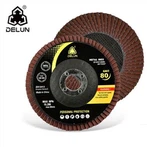
For example, most flap discs are designed for use at an angle of 15 to 30 degrees. This helps ensure the operator is using the entire work surface of the flaps to promote efficiency and normal product wear. When flap discs are used at too great an angle, it’s inefficient because the entire work surface of the product isn’t being used. If the angle is too low, it’s harder for the operator to control the tool and there is potential for kickback.
When using a wire brush, the tips of the wire are designed to do the work. Proper orientation ensures that only the wire tips are hitting the base metal. If the sides of the wires are striking the base material instead of the tips, an incorrect angle is being used. This results in inefficient cleaning action and prematurely wears the brush by creating long-wire breakage, which can result in injury to the operator or others in the work area.
Tip 4: Know when it’s time to change abrasives
Using abrasives for too long can negatively impact operator safety and cause issues with poor product performance. Also, products aren’t working efficiently when they are used for too long, which can increase the time required to get the desired results.