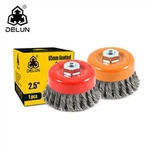
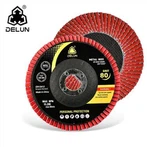
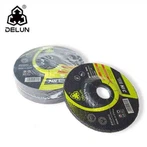
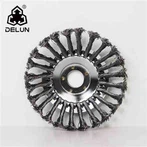
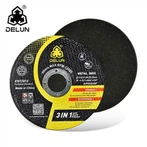
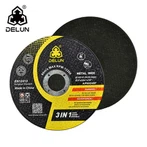
Cutting discs are an essential tool in any metal fabrication or construction work. They are used to cut through a variety of materials such as stainless steel, aluminum, hollow steel, round steel and other metals. The lifespan of a cutting disc can vary depending on several factors such as the material being cut, the quality of the disc, the speed of the cut, and the operator's skill level.
Typically, a cutting disc can last anywhere from a few minutes to several hours of continuous use. The most important factor in determining the disc's lifespan is the material being cut. Harder and thicker materials such as steel and iron will cause the disc to wear out faster than thinner or softer materials. Therefore, it is important to choose a cutting disc that is designed to handle the type of material being cut, as well as the thickness.
Another important factor in the lifespan of a cutting disc is the quality of the disc itself. Higher quality discs, made from stronger materials and designed for precision cutting, will last longer than cheaper or generic discs. Quality discs are less likely to wear down quickly or break during use, reducing the need for replacements and potential injuries.
The speed of the cut is also a crucial factor in determining the longevity of a cutting disc. The faster the disc is spinning, the more heat is generated, which can cause it to deteriorate faster. Thus, it is important to use the correct speed for the material being cut, as well as for the type of cutting disc being used.
Finally, an operator's skill level can also play a role in the lifespan of a cutting disc. Inexperienced operators may accidentally jam the disc into the material, causing it to chip or break prematurely.. Similarly, an operator who applies too much pressure may cause the disc to wear down faster than necessary. Proper training, attention, and care can ensure that a cutting disc lasts as long as possible. And wet grinding and side grinding are prohibited.