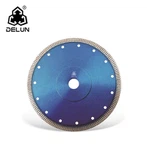
Can You Use a Wood Cutting Disc on an Angle Grinder?
Using a wood cutting disc on an angle grinder is a topic that sparks debate among DIY enthusiasts and professionals alike. While it is technically possible to attach a wood-specific disc to an angle grinder, doing so is strongly discouraged due to significant safety risks. Below, we explore the reasons why this practice is unsafe, the potential hazards involved, and safer alternatives for cutting wood.
Why It's Dangerous
High RPM Mismatch:
Angle grinders typically operate at speeds between 8,000 to 12,000 RPM (revolutions per minute). Most wood cutting discs, however, are designed for tools like circular saws or chop saws, which run at much lower speeds (3,000–5,000 RPM). Exceeding a disc's maximum rated RPM can cause it to shatter explosively, sending sharp debris flying at high velocity.
Kickback Hazards:
Wood is softer and more unpredictable than metal or stone. When cutting wood with an angle grinder, the disc can bind or catch in the grain, causing violent kickback. Angle grinders are not ergonomically designed to handle this force, increasing the risk of loss of control and severe injuries to hands, face, or body.
Lack of Safety Features:
Unlike circular saws, angle grinders lack critical safety mechanisms for woodworking, such as riving knives (to prevent kickback) or blade guards optimized for wood. The open design of angle grinders also exposes users to rotating parts and flying debris.
Heat and Friction:
The extreme speed of an angle grinder generates intense friction, which can scorch wood or even ignite sawdust. This creates fire hazards and compromises the quality of cuts.
Misconceptions About "Wood Cutting" Discs
Some manufacturers sell discs marketed as "wood cutting" attachments for angle grinders. These often feature teeth similar to chainsaw blades or abrasive grit. However, these discs do not eliminate the core risks:
Toothed Discs: Prone to snagging and kickback, especially in dense or knotty wood.
Abrasive Discs: Create excessive heat, produce dangerous dust, and wear down quickly.
Regulatory bodies like OSHA (Occupational Safety and Health Administration) and tool manufacturers explicitly warn against using angle grinders for woodcutting due to these hazards.
Safer Alternatives for Cutting Wood
Circular Saw:
Designed specifically for wood, with adjustable depth settings, blade guards, and lower RPMs (around 5,000–6,000). Offers precision and control.
Jigsaw or Reciprocating Saw:
Ideal for curved or intricate cuts in wood. Operates at safe speeds with minimal kickback risk.
Hand Tools:
For small projects, a handsaw or coping saw provides total control and eliminates power tool risks.
If You Must Use an Angle Grinder…
In rare cases where no alternative exists, follow these precautions:
Use a Low-Speed Grinder: Opt for a model with adjustable RPM (under 6,000).
Select a Purpose-Built Disc: Choose a disc rated for wood and specifically designed for angle grinders (e.g., carbide-toothed carving discs).
Wear Full PPE: Safety glasses, gloves, long sleeves, and a face shield.
Secure the Workpiece: Clamp wood firmly to prevent movement.
Avoid Freehand Cutting: Use guides or jigs for stability.
Conclusion
While angle grinders are versatile tools, they are not suitable for cutting wood. The risks of injury, disc failure, and fire far outweigh any convenience. Always prioritize using the right tool for the job-your safety is worth the extra effort. Invest in a proper woodcutting tool or consult a professional for complex projects. Remember: No DIY task is worth a trip to the emergency room.