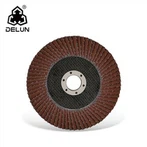
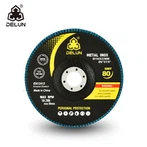
While a metal cutting disc can technically cut ceramic tile under certain conditions, it is neither efficient nor recommended due to significant differences in material properties and tool design12. Below is a detailed analysis:
1. Fundamental Differences Between Metal and Ceramic Cutting Discs
Metal Cutting Discs:
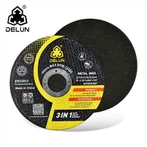
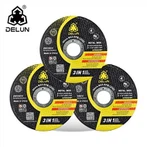
Typically composed of aluminum oxide or silicon carbide abrasives23. These discs rely on high-speed grinding to cut through metals like stainless steel and iron. Their structure prioritizes heat dissipation and resistance to metal burrs.
Ceramic Tile Cutting Discs:
Specifically designed with diamond-embedded segments or hot-pressed ceramic abrasive grains45. These tools use precision grinding rather than brute force, reducing the risk of tile chipping or cracking.
2. Risks of Using a Metal Cutting Disc on Ceramic Tile
Material Incompatibility:
Ceramic tiles are brittle and harder than most metals. Metal cutting discs generate excessive friction and heat, increasing the likelihood of tile fractures4.
Disc Degradation:
The abrasive grains in metal discs wear down rapidly when cutting dense ceramics, leading to uneven cuts and reduced lifespan1.
Safety Hazards:
High-speed fragmentation of the disc may occur due to improper pressure application3. Ceramic dust also poses respiratory risks without proper ventilation.
3. Recommended Alternatives for Cutting Ceramic Tiles
For optimal results, use these specialized tools:
Diamond Saw Blades:
Designed with laser-welded diamond segments for clean, chip-free cuts. Examples include ultra-thin turbo diamond blades (0.6–1.2 mm thickness) for precision work5.
Ceramic-Specific Abrasive Discs:
Hot-pressed ceramic abrasive discs (e.g., segmented ceramic blades) minimize heat buildup and edge damage4.
4. Situational Exceptions
In emergencies, a metal cutting disc might work for thin, low-density tiles if:
The disc is brand new (to avoid uneven wear).
Cutting is done at low speeds with minimal pressure.
Water cooling is applied to reduce heat25.
Summary
| Factor | Metal Cutting Disc | Ceramic-Specific Disc |
|---|---|---|
| Material Compatibility | Poor (high fracture risk) | Excellent |
| Cutting Precision | Low | High |
| Tool Longevity | Short (rapid wear) | Extended |
| Safety | Moderate risk | High safety |
For ceramic tiles, investing in a diamond blade or ceramic-optimized disc ensures efficiency, safety, and professional results45. Metal discs should remain reserved for their intended metallic substrates13.