



When it comes to the world of grinding wheels, understanding the differences between various types is crucial for achieving optimal results in different applications. As a supplier of grinder wheels, I often encounter customers who are unsure about the distinctions between Type 1 and Type 27 grinder wheels. In this blog post, I will delve into the characteristics, applications, and advantages of each type to help you make an informed decision for your grinding needs.
Type 1 Grinder Wheels
Type 1 grinder wheels, also known as straight wheels, are one of the most common types of grinding wheels. They have a flat, disc - shaped design with the grinding surface on the periphery of the wheel. The wheel is mounted on an arbor, and the grinding action occurs as the outer edge of the wheel comes into contact with the workpiece.
Characteristics
- Shape: The straight shape of Type 1 wheels makes them simple and easy to use. They are typically available in a wide range of diameters and thicknesses, allowing for flexibility in different grinding tasks.
- Mounting: These wheels are usually mounted on a spindle using a flange or a nut. The mounting method ensures that the wheel is securely attached to the grinder, providing stability during the grinding process.
- Grinding Surface: The grinding surface of a Type 1 wheel is located on the outer circumference. This design allows for precise grinding, especially when working on flat or cylindrical surfaces.
Applications
- Surface Grinding: Type 1 wheels are ideal for surface grinding applications, where the goal is to create a smooth and flat surface on the workpiece. They can be used to grind various materials, including metals, ceramics, and composites.
- Cylindrical Grinding: In cylindrical grinding, Type 1 wheels are used to shape and finish the outer surface of cylindrical workpieces. They can achieve high levels of accuracy and surface finish, making them suitable for precision machining.
- Tool and Cutter Grinding: These wheels are also commonly used for tool and cutter grinding. They can sharpen the edges of cutting tools, such as drills, end mills, and reamers, to maintain their cutting performance.
Advantages
- Precision: The flat and straight design of Type 1 wheels allows for precise grinding, making them suitable for applications that require high levels of accuracy.
- Versatility: They can be used on a variety of materials and in different grinding operations, making them a versatile choice for many workshops.
- Ease of Use: Type 1 wheels are relatively easy to mount and use, even for beginners. Their simple design makes them accessible to a wide range of users.
Type 27 Grinder Wheels
Type 27 grinder wheels, also known as depressed center wheels, have a distinct design that sets them apart from Type 1 wheels. They have a depressed center, which means that the mounting area is recessed into the wheel. This design allows for better access to the workpiece, especially in hard - to - reach areas.
Characteristics
- Shape: The depressed center shape of Type 27 wheels provides a larger grinding surface area compared to Type 1 wheels. The wheel can be used to grind both flat and curved surfaces, thanks to its unique design.
- Mounting: Similar to Type 1 wheels, Type 27 wheels are mounted on a spindle using a flange or a nut. However, the depressed center design requires a specific type of flange to ensure proper mounting and stability.
- Grinding Surface: The grinding surface of a Type 27 wheel is located on the outer edge and the face of the wheel. This allows for more aggressive grinding and a wider range of applications.
Applications
- Angle Grinding: Type 27 wheels are commonly used in angle grinders. They are ideal for grinding, cutting, and polishing metal, stone, and other materials. The depressed center design allows the grinder to get closer to the workpiece, making it easier to grind in tight spaces.
- Weld Preparation and Finishing: These wheels are also used for weld preparation and finishing. They can be used to remove excess weld material, smooth out weld beads, and prepare the surface for painting or coating.
- Deburring and Surface Cleaning: Type 27 wheels are effective for deburring and surface cleaning applications. They can remove burrs, sharp edges, and rust from the workpiece, leaving a smooth and clean surface.
Advantages
- Accessibility: The depressed center design of Type 27 wheels provides better access to the workpiece, especially in areas where a straight wheel cannot reach. This makes them suitable for grinding in corners, edges, and other hard - to - reach places.
- Aggressive Grinding: The larger grinding surface area and the ability to use the face of the wheel for grinding make Type 27 wheels more aggressive than Type 1 wheels. They can remove material more quickly, reducing the grinding time.
- Versatility: Like Type 1 wheels, Type 27 wheels are versatile and can be used on a variety of materials. They are suitable for both rough grinding and fine finishing operations.
Comparison between Type 1 and Type 27 Grinder Wheels
Shape and Design
The most obvious difference between Type 1 and Type 27 grinder wheels is their shape. Type 1 wheels are straight, while Type 27 wheels have a depressed center. This difference in shape affects their accessibility and the types of applications they are suitable for. Type 1 wheels are better for flat and cylindrical grinding, while Type 27 wheels are more suitable for grinding in tight spaces and on curved surfaces.
Grinding Performance
Type 27 wheels are generally more aggressive than Type 1 wheels due to their larger grinding surface area and the ability to use the face of the wheel for grinding. They can remove material more quickly, making them ideal for rough grinding operations. On the other hand, Type 1 wheels are more precise and are better suited for fine finishing and precision grinding applications.


Application Scope
Type 1 wheels are commonly used in surface grinding, cylindrical grinding, and tool and cutter grinding. They are suitable for applications that require high levels of accuracy and surface finish. Type 27 wheels, on the other hand, are mainly used in angle grinding, weld preparation, and deburring. They are more versatile in terms of the types of surfaces they can grind and the materials they can work on.
Our Product Offerings
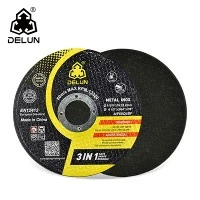
As a grinder wheel supplier, we offer a wide range of Type 1 and Type 27 grinder wheels to meet the diverse needs of our customers. Our products are made from high - quality materials and are designed to provide excellent performance and durability.
- 100mm Best Grinding Disc For Metal INOX Processing: This Type 1 grinding disc is specifically designed for metal and INOX processing. It offers high precision and a smooth finish, making it ideal for surface grinding applications.
- Grinding Disc Metal Grindtting INOX Grindting At 5 Inch Super Durability: Our 5 - inch Type 27 grinding disc is suitable for metal and INOX grinding. It has a super - durable design and can provide aggressive grinding performance, making it perfect for angle grinding and weld preparation.
- DELUN 9 INCH GRINDING DISC WITH EFFICIENT PERFORMANCE: This 9 - inch Type 27 grinding disc offers efficient performance and is suitable for a variety of applications, including deburring and surface cleaning.
- 4.5 Inch Grinding Disc Metal Grinding Metal Processing Durable: Our 4.5 - inch Type 1 grinding disc is durable and can be used for metal grinding and processing. It provides a precise and smooth grinding experience.
Conclusion
In conclusion, the choice between a Type 1 and a Type 27 grinder wheel depends on the specific application and the requirements of the workpiece. Type 1 wheels are more suitable for precision grinding and flat or cylindrical surfaces, while Type 27 wheels are better for aggressive grinding and hard - to - reach areas. As a grinder wheel supplier, we are committed to providing high - quality products that meet the needs of our customers. If you have any questions or need assistance in choosing the right grinder wheel for your application, please feel free to contact us for a purchase negotiation.
References
- American National Standards Institute (ANSI). "Safety Requirements for the Use, Care, and Protection of Abrasive Wheels." ANSI B7.1 - 2019.
- Norton Abrasives. "Grinding Wheel Selection Guide." Norton Abrasives, 2022.
- Saint - Gobain Abrasives. "Abrasives Handbook." Saint - Gobain Abrasives, 2021.