

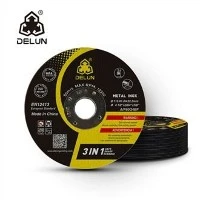


When it comes to the world of cutting discs, the En12413 Cutting Disc stands out as a reliable and high - performance tool. As a supplier of En12413 Cutting Discs, I have witnessed firsthand the importance of proper cutting debris handling. In this blog, I will delve into what cutting debris handling of En12413 Cutting Disc entails, its significance, and the best practices associated with it.
Understanding Cutting Debris of En12413 Cutting Disc
Cutting debris refers to the waste material generated during the cutting process. When an En12413 Cutting Disc is used to cut through various materials such as metal, plastic, or stone, small fragments, dust particles, and shavings are produced. The nature of the debris can vary significantly depending on the type of material being cut.
For instance, when cutting metal with an En12413 Cutting Disc, the debris may consist of sharp metal shards and fine metal dust. Metal shards can be a safety hazard as they can cause cuts and lacerations, while the fine metal dust can be inhaled, leading to respiratory problems. On the other hand, when cutting plastic, the debris may be softer and less sharp but can still pose environmental and health risks if not properly managed.
Importance of Cutting Debris Handling
Safety
One of the primary reasons for proper cutting debris handling is safety. As mentioned earlier, the sharp shards produced during metal cutting can cause physical injuries. Workers in the vicinity of the cutting operation are at risk of being hit by flying debris. Moreover, the inhalation of fine dust particles can lead to long - term health issues such as silicosis when cutting stone or metal fume fever when cutting certain metals. By having an effective debris handling system in place, the risk of such injuries and illnesses can be significantly reduced.
Equipment Longevity
Cutting debris can also have a negative impact on the cutting equipment and other machinery in the workplace. Metal shards can get lodged in the moving parts of the cutting machine, causing wear and tear over time. The dust can also accumulate in the motors and electrical components, leading to overheating and potential breakdowns. Proper debris handling helps to keep the cutting equipment and other machinery clean, thereby extending their lifespan and reducing maintenance costs.
Environmental Protection
The improper disposal of cutting debris can have a detrimental effect on the environment. Metal debris can contaminate soil and water sources, while plastic and other non - biodegradable materials can contribute to landfill waste. By implementing proper debris handling and recycling procedures, we can minimize the environmental impact of cutting operations.
Cutting Debris Handling Methods
Dust Collection Systems
Dust collection systems are an essential part of cutting debris handling, especially when dealing with fine dust particles. These systems work by capturing the dust generated during the cutting process before it can spread into the air. There are various types of dust collection systems available, ranging from small portable units for individual cutting machines to large centralized systems for industrial facilities.
The effectiveness of a dust collection system depends on factors such as the airflow rate, the filtration efficiency, and the location of the collection hood. A well - designed dust collection system can significantly reduce the amount of airborne dust, improving air quality in the workplace.
Chip Conveyors
Chip conveyors are used to remove larger debris such as metal shavings and chips from the cutting area. These conveyors can be either belt - type or chain - type, and they transport the debris from the cutting machine to a collection point. Chip conveyors are particularly useful in high - volume cutting operations, as they help to keep the cutting area clean and prevent the accumulation of debris around the machine.
Manual Cleaning
In addition to using dust collection systems and chip conveyors, manual cleaning is also an important part of cutting debris handling. Workers should be trained to regularly clean the cutting area, including the machine, the workbench, and the surrounding floors. This helps to remove any remaining debris that may have been missed by the automated systems.


Best Practices for Cutting Debris Handling
Regular Maintenance of Equipment
To ensure the effectiveness of the debris handling systems, regular maintenance is crucial. Dust collection systems should be inspected and cleaned regularly to ensure that the filters are not clogged. Chip conveyors should be checked for proper operation and any signs of wear or damage. By maintaining the equipment, we can ensure that it continues to function optimally and provides the best possible protection against cutting debris.
Worker Training
Workers who operate the cutting equipment should receive comprehensive training on cutting debris handling. They should be taught about the potential hazards associated with cutting debris, how to use the debris handling equipment correctly, and the importance of personal protective equipment (PPE). PPE such as safety glasses, masks, and gloves should be worn at all times during the cutting process to minimize the risk of injury.
Segregation and Recycling
Once the cutting debris has been collected, it should be segregated according to the type of material. Metal debris can often be recycled and reused, which not only reduces waste but also saves on raw material costs. Plastic and other non - metal debris should also be disposed of properly, either through recycling or by following local waste management regulations.
Our En12413 Cutting Disc Offerings
As a supplier of En12413 Cutting Discs, we understand the importance of providing high - quality products that are not only effective in cutting but also contribute to a safe and clean working environment. We offer a wide range of cutting discs, including the 4.5 Metal Cutting Disc, Cutting Disc 4inch in High Performance, Angle Grinder Wheel for Stainless Steel, Cutting Wheel Metal Stainless Steel, and 115mm 4.5inch DELUN Cutting Disc Abrasive Cutting Discs.
Our cutting discs are designed to produce minimal debris while providing efficient cutting performance. They are made from high - quality materials that ensure durability and long - lasting use. By choosing our En12413 Cutting Discs, you can not only improve your cutting operations but also reduce the challenges associated with cutting debris handling.
Contact Us for Purchasing and Discussions
If you are interested in learning more about our En12413 Cutting Discs or have any questions regarding cutting debris handling, we encourage you to contact us. Our team of experts is always ready to assist you in finding the right cutting disc for your specific needs and to provide guidance on best practices for cutting debris handling. Whether you are a small workshop or a large industrial facility, we can offer you the solutions you need to enhance your cutting operations and ensure a safe and sustainable working environment.
References
- ASME B11.0 - 2016. Safety Requirements for Machine Tools - General Requirements.
- OSHA - Occupational Safety and Health Administration. Industrial Ventilation: A Manual of Recommended Practice.
- BS EN 12413:2018. Abrasive products - Cutting - off and grinding wheels - Safety requirements.