



Hey there! As a supplier of Flap Disc Wheels, I'm super excited to share with you how to use these nifty tools for polishing. Whether you're a DIY enthusiast or a professional in the metalworking industry, getting the most out of your Flap Disc Wheel is key to achieving that perfect finish.
What is a Flap Disc Wheel?
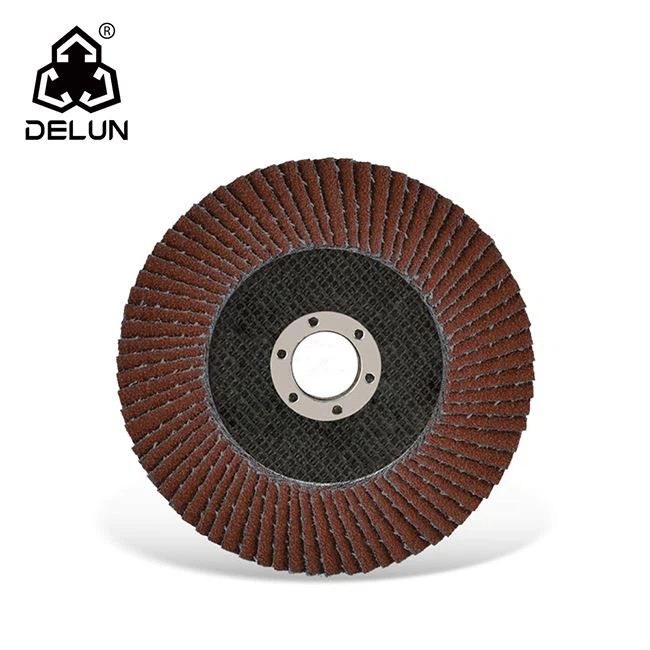
Before we dive into the issue, let's quickly go over what a Flap Disc Wheel is. It's a type of abrasive tool made up of multiple overlapping abrasive flaps attached to a central hub. These flaps are usually made from materials like aluminium oxide or zirconia, which are great for cutting, grinding, and of course, polishing.
Choosing the Right Flap Disc Wheel
The first step in using a Flap Disc Wheel for polishing is choosing the right one for the job. There are a few factors to consider:
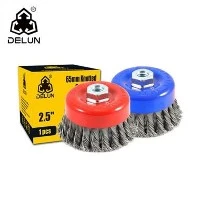
- Size: Flap Disc Wheels come in different sizes. For smaller, more detailed work, a 4 Inch Flat Wheel Brush For High Quality And Durable might be your best bet. It gives you more control and precision. If you're working on larger surfaces, a bigger disc would be more efficient.
- Abrasive Material: The most common abrasive materials are aluminium oxide and zirconia. An Aluminium Oxide Abrasive Flap Disc is great for general-purpose polishing. It's relatively inexpensive and can handle a variety of metals. On the other hand, a Zirconia Flap Disk is more aggressive and is better suited for heavy-duty polishing on tough metals like stainless steel.
- Grit: The grit of the flap disc determines how coarse or fine the polishing will be. Lower grit numbers (like 36 or 40) are more aggressive and are used for removing a lot of material quickly. Higher grit numbers (like 120 or 220) are for finer polishing and achieving a smooth finish. For example, if you're starting with a rough surface, you might want to use a lower-grit Flap Disc For Metal Polishing 100mm first and then switch to a higher-grit one for the final polish.
Safety First
Before you start using your Flap Disc Wheel, safety is a must. Here are some safety tips:

- Wear Protective Gear: Always wear safety goggles to protect your eyes from flying debris. Gloves are also a good idea to protect your hands from the heat and any sharp edges. A dust mask can prevent you from inhaling any dust particles.
- Check the Tool: Make sure your grinder or polishing machine is in good working condition. Check the power cord for any damage and ensure that the disc is properly installed and tightened.
- Work in a Well-Ventilated Area: Polishing can generate a lot of dust, so it's important to work in a place where the dust can disperse.
Preparing the Surface
Before you start polishing with the Flap Disc Wheel, you need to prepare the surface.
- Clean the Surface: Remove any dirt, grease, or rust from the surface. You can use a degreaser or a wire brush to do this. A clean surface will allow the flap disc to work more effectively.
- Inspect for Imperfections: Look for any scratches, dents, or other imperfections on the surface. If there are any, you might need to use a lower-grit disc to remove them first.
Using the Flap Disc Wheel
Now, let's get into the actual process of using the Flap Disc Wheel for polishing.
- Install the Disc: First, make sure your grinder is turned off. Then, install the Flap Disc Wheel according to the manufacturer's instructions. Usually, you'll need to use a wrench to tighten the nut that holds the disc in place.
- Start Slowly: When you first turn on the grinder, start at a low speed. This will give you better control and prevent the disc from wearing out too quickly. As you get more comfortable, you can increase the speed.
- Apply Even Pressure: Hold the grinder at a slight angle (usually around 15-30 degrees) and apply even pressure on the surface. Don't press too hard, as this can cause the disc to overheat and wear out faster. Move the grinder in a smooth, circular or back-and-forth motion.
- Overlap Your Passes: To ensure an even finish, overlap your passes with the Flap Disc Wheel. This will help to avoid any uneven spots or streaks on the surface.
- Cool the Disc: After a few minutes of use, stop and let the disc cool down. This will extend the life of the disc and prevent it from overheating. You can also use a coolant spray if you're working on a particularly tough material.
Finishing Touches
Once you've achieved the desired level of polish with the Flap Disc Wheel, there are a few finishing touches you can do.
- Buff the Surface: You can use a buffing wheel or a polishing compound to give the surface an extra shine. This will make the finish look more professional.
- Inspect the Surface: Take a close look at the surface to make sure there are no remaining scratches or imperfections. If there are, you might need to go back and use a higher - grit disc or do some additional buffing.
Maintaining Your Flap Disc Wheel
To get the most out of your Flap Disc Wheel, it's important to maintain it properly.
- Store it Properly: When you're not using the disc, store it in a dry place. Avoid exposing it to moisture, as this can cause the abrasive material to degrade.
- Replace the Disc When Necessary: Over time, the flaps on the disc will wear out. When you notice that the disc is no longer cutting or polishing effectively, it's time to replace it. You can find high-quality replacement discs like our DELUN Abrasive Flap Wheels for Metal on our website.
Conclusion
Using a Flap Disc Wheel for polishing can be a great way to achieve a professional - looking finish on your metal projects. By choosing the right disc, following safety precautions, and using the proper techniques, you can get the most out of this versatile tool.
If you're interested in purchasing Flap Disc Wheels for your polishing needs, we'd love to have a chat with you. Just reach out to us, and we'll be happy to help you find the perfect product for your project.
References
- "Abrasive Tools Handbook" -A comprehensive guide on different types of abrasive tools and their uses.
- Manufacturer's instructions for Flap Disc Wheels.