



Hey there! As a supplier of grinder wheels, I've seen my fair share of issues when it comes to grinder wheels not grinding effectively. It can be frustrating, especially when you're in the middle of a project. But don't worry, I'm here to help you troubleshoot the problem and get your grinder wheel back in action.
1. Check the Wheel Condition
The first thing you need to do is take a good look at your grinder wheel. A worn - out or damaged wheel is one of the most common reasons for ineffective grinding.
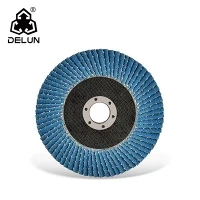
- Wear and Tear: Over time, the abrasive particles on the wheel wear down. If the wheel looks smooth or the abrasive layer is significantly thin, it's time for a replacement. For example, if you've been using the wheel for a long time on tough materials, the abrasives might have lost their cutting edge. A new wheel can make a world of difference. You can check out our 100mm Best Grinding Disc For Metal INOX Processing which is designed to provide long - lasting performance.
- Cracks and Chips: Inspect the wheel for any cracks or chips. A cracked wheel is not only ineffective but also extremely dangerous. Even a small crack can cause the wheel to break apart during operation. If you find any cracks, do not use the wheel and replace it immediately.
2. Evaluate the Grinder Speed
The speed of your grinder is crucial for effective grinding.
- Correct RPM: Every grinder wheel has a recommended revolutions per minute (RPM). If the grinder is running too fast or too slow, it can affect the grinding performance. Check the manufacturer's specifications for the correct RPM of your wheel. If your grinder has variable speed settings, make sure to set it to the appropriate speed for the wheel you're using. For instance, a high - speed wheel might require a faster RPM to work efficiently, while a more delicate wheel might need a slower speed.
- Motor Power: Sometimes, the problem could be with the grinder's motor. If the motor is not powerful enough to spin the wheel at the required speed, the grinding will be ineffective. If you notice that the grinder is struggling to maintain the speed, it might be time to consider upgrading to a more powerful grinder.
3. Consider the Material You're Grinding
The type of material you're working on can have a big impact on the grinding process.
- Hardness of the Material: Different materials have different hardness levels. For example, grinding metal is different from grinding stone. If you're using a wheel that's not suitable for the material, it won't grind effectively. For metal grinding, you might want to check out our Grinding Disc Metal Grindtting INOX Grindting At 5 Inch Super Durability. It's designed to handle metal materials with ease.
- Contaminants: The material you're grinding might have contaminants on it, such as paint, rust, or dirt. These can clog the wheel and reduce its effectiveness. Before you start grinding, make sure to clean the material as much as possible.
4. Look at the Grinding Technique
Your grinding technique can also play a role in how well the wheel performs.
- Pressure: Applying too much or too little pressure can affect the grinding. If you press too hard, the wheel can overheat and wear out quickly. On the other hand, if you don't apply enough pressure, the wheel won't make proper contact with the material. Try to find a balance and apply a steady, moderate pressure.
- Angle: The angle at which you hold the grinder is important. A wrong angle can cause uneven grinding and reduce the wheel's efficiency. Make sure to hold the grinder at the correct angle as recommended for the type of grinding you're doing.
5. Check for Wheel Mounting Issues
Proper mounting of the grinder wheel is essential for effective grinding.
- Tightness: The wheel should be mounted tightly on the grinder. If it's loose, it can wobble during operation, which will lead to ineffective grinding and can also be dangerous. Check the mounting nut and make sure it's tightened to the correct torque.
- Alignment: The wheel should be properly aligned with the grinder. If it's misaligned, it can cause uneven wear and poor grinding performance. Make sure to follow the manufacturer's instructions for mounting the wheel correctly.
6. Coolant and Lubrication
Some grinding operations require the use of coolant or lubrication.
- Coolant: Coolant helps to reduce heat generated during grinding, which can prevent the wheel from overheating and wearing out quickly. If you're grinding hard materials or doing heavy - duty grinding, using a coolant can significantly improve the grinding performance.
- Lubrication: Lubrication can also help to reduce friction between the wheel and the material. This can make the grinding process smoother and more efficient.
7. Environmental Factors
The environment in which you're grinding can also affect the performance of the wheel.
- Dust and Debris: A dusty environment can cause the wheel to clog more quickly. Make sure to keep the work area clean and use a dust collection system if possible.
- Temperature and Humidity: Extreme temperatures and high humidity can affect the wheel's performance. For example, in very hot conditions, the wheel can overheat more easily. Try to work in a controlled environment if possible.
If you've tried all these troubleshooting steps and still can't get your grinder wheel to grind effectively, it might be time to consider a new wheel. We offer a wide range of high - quality grinder wheels, such as the DELUN 9 INCH GRINDING DISC WITH EFFICIENT PERFORMANCE.
If you're interested in purchasing our grinder wheels or have any questions about troubleshooting, feel free to reach out for a procurement discussion. We're here to help you find the best solution for your grinding needs.


References
- General knowledge from years of experience in the grinder wheel supply industry.
- Manufacturer's guidelines for grinder wheels and grinders.