



As a seasoned wire brush supplier, I've encountered numerous inquiries from customers regarding the proper way to cut wire brushes to size. This process isn't as straightforward as it might seem, and it requires careful consideration and the right techniques. In this blog post, I'll share my insights on how to cut a wire brush to size effectively, ensuring that you get the most out of your wire brush for various applications.
Understanding the Types of Wire Brushes
Before delving into the cutting process, it's essential to understand the different types of wire brushes available. There are several common types, including crimped wire wheel cup brushes, cup brush sets with copper or brass wire wheels, and twisted wire cup brushes. Each type has its unique characteristics and is designed for specific applications.
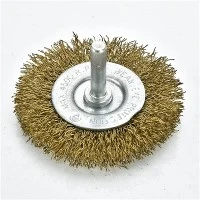
For instance, the 4inch Crimped Wire Wheel Cup Brush M14 is ideal for heavy-duty cleaning and deburring tasks. Its crimped wires provide a more aggressive brushing action, making it suitable for removing rust, paint, and other stubborn contaminants from metal surfaces.
On the other hand, the Cup Brush Set Copper Brass Wire Wheel is perfect for more delicate tasks. Copper and brass wires are softer than steel wires, making them less likely to damage the surface being brushed. This type of brush is often used for polishing, finishing, and cleaning non-ferrous metals.
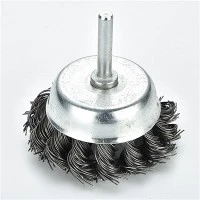
The 4inch Twisted Wire Cup Brush Metal Process is designed for precision work. The twisted wires create a more concentrated brushing action, allowing for better control and accuracy. This brush is commonly used in metalworking applications, such as grinding, sanding, and deburring.


Tools Required for Cutting a Wire Brush
To cut a wire brush to size, you'll need a few essential tools. Here's a list of the tools you'll need:
- Wire cutters: These are the most basic tool for cutting wire brushes. Make sure to choose a pair of wire cutters that are sharp and can handle the thickness of the wires in your brush.
- Angle grinder: An angle grinder can be used to cut through thicker wires or to make more precise cuts. However, it's important to use the angle grinder with caution, as it can generate a lot of heat and sparks.
- Safety equipment: When cutting a wire brush, it's important to wear safety equipment, such as safety glasses, gloves, and a dust mask. This will protect you from flying debris and dust.
Step-by-Step Guide to Cutting a Wire Brush
Now that you have the necessary tools, let's walk through the step-by-step process of cutting a wire brush to size:
- Measure the desired size: Before cutting the wire brush, measure the size you need. Use a ruler or a measuring tape to ensure that you cut the brush to the correct dimensions.
- Mark the cutting point: Once you've measured the desired size, mark the cutting point on the wire brush using a marker or a piece of tape. This will help you make a straight and accurate cut.
- Secure the wire brush: To prevent the wire brush from moving while you're cutting it, secure it in a vice or a clamp. This will ensure that you have better control over the cutting process.
- Cut the wire brush: Using the wire cutters or the angle grinder, carefully cut the wire brush at the marked point. Make sure to cut through all the wires evenly to ensure a clean and smooth cut.
- Smooth the edges: After cutting the wire brush, use a file or sandpaper to smooth the edges. This will prevent the wires from fraying and make the brush safer to use.
Tips for Cutting a Wire Brush
Here are some additional tips to help you cut a wire brush to size effectively:
- Use the right tool for the job: Depending on the thickness of the wires in your brush, choose the appropriate tool for cutting. For thinner wires, wire cutters are usually sufficient. For thicker wires, an angle grinder may be necessary.
- Take your time: Cutting a wire brush requires patience and precision. Don't rush the process, as this can lead to uneven cuts or damage to the brush.
- Wear safety equipment: As mentioned earlier, it's important to wear safety equipment when cutting a wire brush. This will protect you from flying debris and dust.
- Test the brush: After cutting the wire brush, test it to make sure it works properly. Use it on a small area to see if it provides the desired brushing action.
Conclusion
Cutting a wire brush to size is a simple process that can be done with the right tools and techniques. By following the steps outlined in this blog post, you can ensure that you cut your wire brush to the correct dimensions and get the most out of it for your specific applications.
If you're in the market for high-quality wire brushes, look no further. As a leading wire brush supplier, we offer a wide range of wire brushes to meet your needs. Whether you're looking for a crimped wire wheel cup brush, a cup brush set with copper or brass wire wheels, or a twisted wire cup brush, we have you covered.
Contact us today to discuss your wire brush requirements and explore our product offerings. We're here to help you find the perfect wire brush for your application and provide you with the best possible service.
References
- Manufacturer's guidelines for wire brush usage and cutting.
- Industry best practices for wire brush maintenance and modification.