


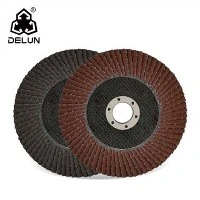
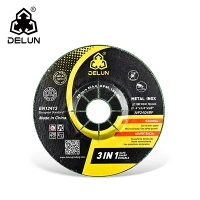
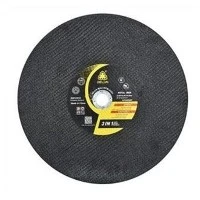
Determining how often to replace a metal cut off wheel is a crucial aspect of ensuring both operational efficiency and safety in metal cutting operations. As a well-established supplier of Metal Cut Off Wheels, we understand the significance of this decision and are here to provide you with detailed insights into the factors that influence the replacement frequency.
Wear and Tear
The most obvious factor affecting the replacement of a metal cut off wheel is wear and tear. The cutting process involves friction between the wheel and the metal, which gradually wears down the abrasive particles on the wheel's surface. As the wheel wears, its efficiency decreases, and it may take longer to make cuts. You can visually inspect the wheel for signs of wear. If the wheel has become significantly thinner, or if the abrasive surface shows large areas of smoothness where the grit has worn off, it's a clear indication that replacement is necessary.

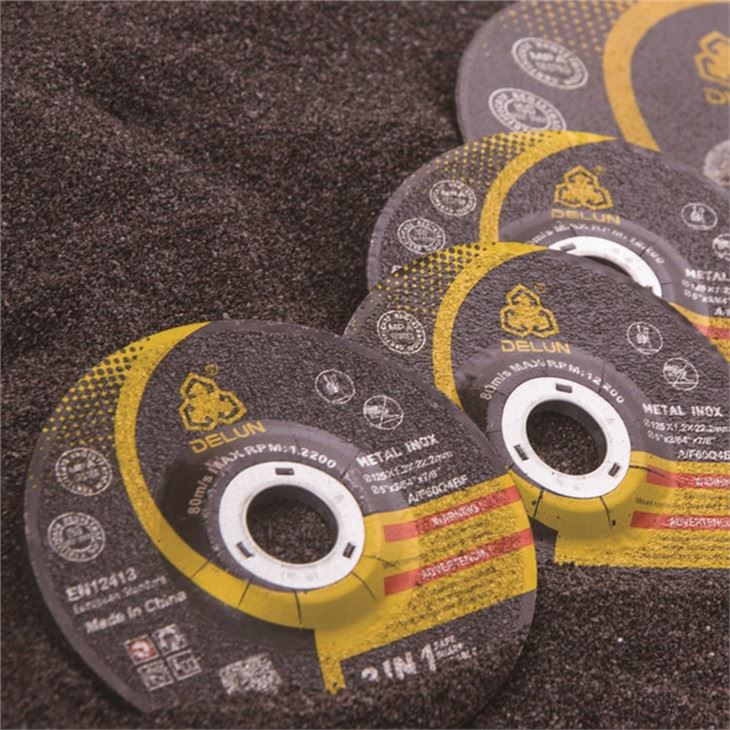
For example, in high - volume industrial cutting operations where the wheel is in constant use, it may need to be replaced after just a few hours of cutting. On the other hand, in light-duty, occasional use scenarios, such as in a home workshop, the same wheel could last for several days or even weeks of intermittent use.
Cutting Material
The type of metal being cut also plays a major role in determining the replacement frequency. Different metals have different hardness levels, and harder metals will cause more rapid wear on the cut off wheel. For instance, cutting stainless steel is more demanding on the wheel compared to cutting mild steel. Stainless steel contains alloying elements like chromium and nickel, which make it harder and more abrasive. When cutting stainless steel, the wheel's abrasive particles are subjected to greater stress, leading to faster wear.
If you are regularly cutting stainless steel, you might find that you need to replace your metal cut off wheel more frequently. We offer a 14 inch Cut Off Wheel for Stainless Steel that is specifically designed to handle the challenges of cutting this tough material. Its high-quality abrasive composition can maintain its cutting performance for a relatively longer time, but still, due to the nature of stainless steel, replacement intervals will be shorter compared to cutting softer metals.
Cutting Conditions
The cutting conditions, including the speed of the cutting tool, the pressure applied during cutting, and the coolant usage, can have a significant impact on the lifespan of the metal cut off wheel.
Cutting Speed
Using the correct cutting speed is essential. If the cutting speed is too high, the wheel will experience excessive heat and wear. The friction generated at high speeds can cause the abrasive particles to lose their bond to the wheel matrix more quickly. On the other hand, if the speed is too low, the wheel may not cut effectively, and the increased pressure required to make a cut can also lead to premature wear.
Cutting Pressure
Applying too much pressure during cutting can force the wheel to work harder than necessary, which can cause the abrasive particles to break off prematurely. This not only reduces the wheel's lifespan but can also create a dangerous situation, as a wheel under excessive stress may shatter. It's important to use just enough pressure to maintain a smooth cutting action.
Coolant Usage
Using a coolant during the cutting process can significantly extend the life of the metal cut off wheel. Coolants help to reduce heat generated by friction, which can prevent the wheel from overheating and wearing out quickly. They also assist in flushing away metal chips, which can otherwise get embedded in the wheel and cause further wear.
Manufacturer's Recommendations
Manufacturers typically provide guidelines on the expected lifespan of their metal cut off wheels based on standard laboratory testing and real-world experience. These recommendations take into account factors such as the type of abrasive material, the wheel's design, and the intended application.
It's important to follow these guidelines as closely as possible. However, keep in mind that actual usage conditions may vary from the manufacturer's ideal scenarios. For example, if you are using the wheel in a dusty environment or with a different type of cutting equipment than what the manufacturer tested with, you may need to adjust the replacement frequency accordingly.
Safety Considerations
In addition to operational efficiency, safety is a major concern when deciding when to replace a metal cut off wheel. A worn - out or damaged wheel can pose a serious risk of injury. If the wheel becomes too thin, it may not be able to withstand the forces during cutting and could break apart. Broken wheel fragments can fly off at high speeds, potentially causing serious harm to the operator and those in the vicinity.
Regularly checking the wheel for cracks, chips, or other signs of damage is essential. If you notice any such defects, the wheel should be replaced immediately, regardless of how much it has been used in terms of time or cutting volume.
Different Sizes and Their Replacement
The size of the metal cut off wheel also affects its replacement frequency. Smaller wheels, such as 4.5" Metal Cut Off Wheels For Metal factory, are often used in handheld angle grinders. These wheels are generally used for light - to - medium - duty cutting tasks. Due to their smaller size, they may wear out more quickly compared to larger wheels when used for the same type of cutting.
However, smaller wheels are also more cost - effective to replace, and they can be easily swapped out when worn. Larger wheels, like the 14 - inch ones, are typically used in more industrial - scale cutting operations. They have a larger surface area and more abrasive material, which means they can last longer in terms of cutting volume. But when they do wear out, they are more expensive to replace.
Specialized Applications
Some metal cutting applications require specialized cut off wheels. For example, when Cutting Stainless Steel with Angle Grinder, you need a wheel that is resistant to the high heat and abrasion generated by cutting this material. Our 115mm 4.5inch DELUN Cutting Disc Abrasive Cutting Discs are designed for such specialized applications. These wheels are made with high-quality abrasives and a strong bonding matrix to ensure long-lasting performance.
However, even with specialized wheels, the replacement frequency will depend on the specific cutting conditions. If the cutting is done continuously at high speeds and with high pressure, the wheel will need to be replaced more often.
Conclusion
In conclusion, there is no one-size-fits-all answer to the question of how often to replace a metal cut off wheel. It depends on a variety of factors, including wear and tear, the type of cutting material, cutting conditions, manufacturer's recommendations, and safety considerations.
As a supplier of high - quality Metal Cut Off Wheels, we are committed to providing our customers with the best products and advice. Our Cutting Wheel Metal Stainless Steel are designed to meet the diverse needs of different cutting operations.
If you are looking for reliable and long-lasting metal cut off wheels, or if you have any questions about the replacement frequency based on your specific application, we encourage you to contact us for a detailed consultation and to discuss your procurement options. We look forward to serving your metal cutting needs.
References
Smith, J. (2018). Handbook of Metal Cutting Tools. Publisher Co.
Brown, A. (2020). Safety Guidelines in Metal Cutting Operations. Safety Press.
Metal Cutting Association. (2021). Best Practices for Using Metal Cut Off Wheels. Association Publication.