



As a seasoned supplier of flap disc wheels, I often encounter inquiries about the versatility and limitations of our products. One question that frequently arises is whether a flap disc wheel can be used in wet conditions. In this blog post, we'll delve into this topic to provide a comprehensive understanding of the implications and considerations when using flap disc wheels in such environments.
Understanding Flap Disc Wheels
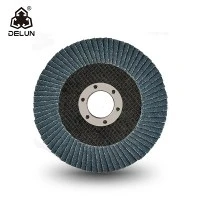
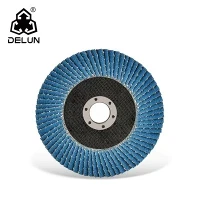
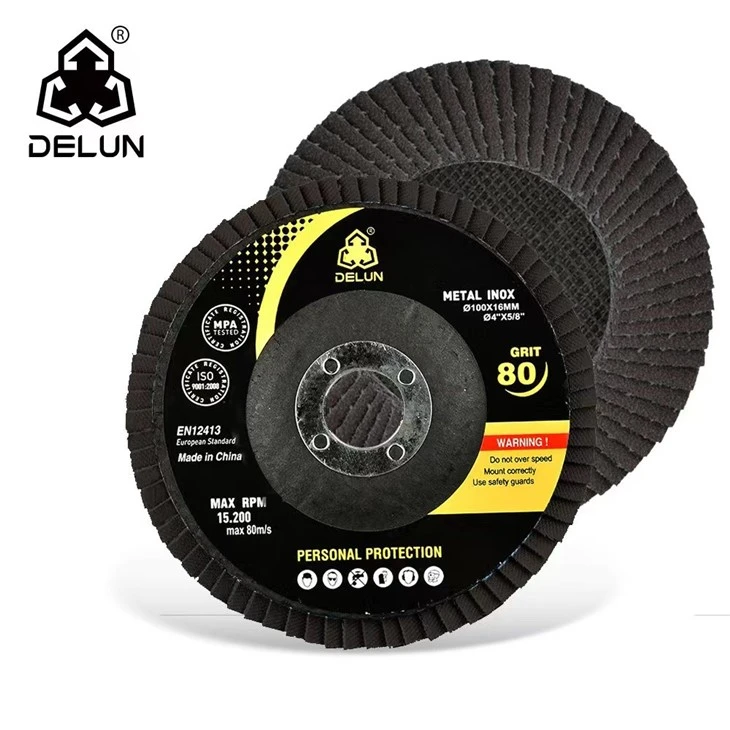
Before we explore the use of flap disc wheels in wet conditions, it's essential to understand what they are and how they work. Flap disc wheels are abrasive tools commonly used in metalworking, woodworking, and other industries for grinding, polishing, and finishing surfaces. They consist of multiple overlapping abrasive flaps attached to a central hub, which provides a larger cutting surface and longer lifespan compared to traditional grinding wheels.
Flap disc wheels come in various sizes, shapes, and abrasive materials, each designed for specific applications. For example, Flap Disc For Metal Polishing 100mm is ideal for achieving a smooth and polished finish on metal surfaces, while Flap Disc For Stainless Steel is specifically formulated to work effectively on stainless steel without causing discoloration or corrosion.
The Impact of Wet Conditions on Flap Disc Wheels
Using a flap disc wheel in wet conditions can have both positive and negative effects, depending on the specific circumstances. Let's take a closer look at some of the key factors to consider:
Cooling and Lubrication
One of the primary benefits of using a flap disc wheel in wet conditions is the cooling and lubrication provided by the water. When the wheel comes into contact with the workpiece, friction generates heat, which can cause the abrasive grains to wear out more quickly and reduce the efficiency of the cutting process. By introducing water, the heat is dissipated, preventing the wheel from overheating and extending its lifespan. Additionally, the water acts as a lubricant, reducing friction and allowing the wheel to cut more smoothly through the material.
Rust and Corrosion
However, the presence of water also introduces the risk of rust and corrosion, especially when using flap disc wheels on metal surfaces. If the wheel is not properly dried and stored after use, the moisture can cause the metal components to rust, which can affect the performance and durability of the wheel. To mitigate this risk, it's important to choose a flap disc wheel that is specifically designed for use in wet conditions and to follow the manufacturer's recommendations for cleaning and maintenance.
Abrasive Performance
The abrasive performance of a flap disc wheel can also be affected by wet conditions. In some cases, the water can cause the abrasive grains to become clogged or dull, reducing the cutting efficiency of the wheel. This is particularly true for softer abrasive materials, such as aluminum oxide, which are more prone to wear and tear. To ensure optimal performance, it's important to choose a flap disc wheel with a high-quality abrasive material that is resistant to clogging and wear.

Choosing the Right Flap Disc Wheel for Wet Conditions
When selecting a flap disc wheel for use in wet conditions, there are several factors to consider:
Abrasive Material
As mentioned earlier, the abrasive material of the flap disc wheel plays a crucial role in its performance in wet conditions. Some of the most common abrasive materials used in flap disc wheels include aluminum oxide, zirconia alumina, and ceramic alumina. Aluminum oxide is a popular choice for general-purpose applications, as it is relatively inexpensive and provides good cutting performance. However, it is also more susceptible to wear and tear in wet conditions. Zirconia alumina and ceramic alumina are more durable and resistant to clogging, making them better suited for use in wet conditions.
Bonding Agent
The bonding agent used to attach the abrasive flaps to the central hub also affects the performance of the flap disc wheel in wet conditions. Some bonding agents are more resistant to water and moisture than others, which can help prevent the flaps from delaminating or falling off during use. When choosing a flap disc wheel for wet conditions, look for a product that uses a high-quality bonding agent that is specifically formulated for use in such environments.
Size and Shape
The size and shape of the flap disc wheel can also impact its performance in wet conditions. Larger wheels generally provide a greater cutting surface and longer lifespan, but they may also be more difficult to control in wet conditions. Smaller wheels, on the other hand, are more maneuverable but may not be as effective for larger-scale projects. Additionally, the shape of the wheel can affect its ability to access tight spaces and contours, so it's important to choose a wheel that is appropriate for the specific application.
Best Practices for Using Flap Disc Wheels in Wet Conditions
To ensure optimal performance and safety when using flap disc wheels in wet conditions, it's important to follow these best practices:
Use the Right Equipment
Make sure to use a compatible grinder or polishing machine that is designed for use with flap disc wheels. Check the manufacturer's specifications to ensure that the machine is capable of handling the size and type of wheel you are using. Additionally, use a water supply system that is designed to deliver a consistent flow of water to the cutting area.
Wear Protective Gear
When working with flap disc wheels in wet conditions, it's important to wear appropriate protective gear, including safety glasses, gloves, and a face shield. The water can cause the abrasive particles to become airborne, which can pose a risk to your eyes and respiratory system. Additionally, the wet conditions can increase the risk of slipping and falling, so make sure to wear non-slip shoes and work on a stable surface.
Clean and Dry the Wheel After Use
After using the flap disc wheel in wet conditions, make sure to clean and dry it thoroughly to prevent rust and corrosion. Use a clean cloth or brush to remove any debris or moisture from the wheel, and allow it to air dry completely before storing it. Additionally, store the wheel in a dry place to prevent further exposure to moisture.
Conclusion
In conclusion, a flap disc wheel can be used in wet conditions, but it's important to choose the right product and follow the best practices to ensure optimal performance and safety. By understanding the impact of wet conditions on flap disc wheels and taking the necessary precautions, you can achieve excellent results in your metalworking, woodworking, and other applications.
If you're interested in learning more about our flap disc wheels or have any questions about using them in wet conditions, please don't hesitate to contact us. We're here to help you find the right solution for your specific needs and to provide you with the support and guidance you need to succeed.
References
- "Abrasive Technology Handbook" by John C. Williams
- "Metalworking Processes and Applications" by Robert A. Llewellyn
- "Woodworking Basics: A Guide to Tools and Techniques" by Tom Hintz