




In the realm of material processing and manufacturing, metal cut off wheels are ubiquitous tools. As a supplier of metal cut off wheels, I've witnessed firsthand their widespread use in various industries, from automotive repair to large-scale metal fabrication. But a question that has increasingly come to the forefront in recent years is whether these seemingly essential tools are environmentally friendly. This blog aims to delve deep into this matter, assess the environmental impacts of metal cut off wheels, and explore potential solutions for more sustainable use.
When considering the environmental friendliness of metal cut off wheels, it's essential to start with the raw materials used in their production. Most metal cut off wheels are made from a combination of abrasive grains, such as aluminum oxide or silicon carbide, and a bonding agent. The extraction of these raw materials can have significant environmental consequences. For example, aluminum oxide extraction often involves bauxite mining. Bauxite mining can lead to deforestation, soil erosion, and water pollution. Large areas of land are cleared to access the bauxite deposits, destroying natural habitats for countless plant and animal species. Moreover, the mining process generates large amounts of waste rock and tailings, which can contaminate nearby water sources with heavy metals and other pollutants.
Silicon carbide production also has its environmental challenges. It is typically made by heating silica sand and carbon in an electric arc furnace at extremely high temperatures. This energy-intensive process consumes a large amount of electricity, often sourced from fossil fuels, contributing to greenhouse gas emissions. Additionally, the production of silicon carbide can release harmful by-products into the environment, such as carbon monoxide and particulate matter.
The manufacturing process of metal cut off wheels further exacerbates their environmental footprint. The bonding agents used to hold the abrasive grains together are often synthetic resins, which are derived from petroleum. The production of these resins involves complex chemical processes that require significant energy and generate various pollutants. Moreover, the curing process of these resins, which is necessary to harden the cut off wheels, often involves high-temperature ovens, further increasing energy consumption.
Once the metal cut off wheels are in use, they also pose environmental concerns. During the cutting process, the wheels generate a significant amount of dust. This dust contains abrasive particles, metal fragments, and sometimes even toxic substances, depending on the type of metal being cut. Inhalation of this dust can be extremely harmful to the health of workers, leading to respiratory problems such as silicosis and lung cancer. From an environmental perspective, the dust can contaminate the air, soil, and water. If not properly contained, the dust can be carried by the wind and spread to surrounding areas, affecting the quality of the environment and potentially harming wildlife.
Another aspect to consider is the end-of-life disposal of metal cut off wheels. After they are worn out, most cut off wheels end up in landfills. Since they are not easily biodegradable, they can remain in landfills for a long time, taking up valuable space. Moreover, the potential leaching of heavy metals and other pollutants from the wheels can contaminate the soil and groundwater over time.
However, it's not all doom and gloom. There are several ways in which the environmental impact of metal cut off wheels can be mitigated. For instance, some manufacturers are starting to focus on using more sustainable raw materials. For example, there are now cut off wheels available that use recycled abrasive grains. These recycled grains are obtained from used cut off wheels or other abrasive products, reducing the need for new raw material extraction. This not only conserves natural resources but also reduces the environmental impact associated with mining and production.
In terms of the manufacturing process, energy-efficient technologies are being adopted. Some companies are using advanced heating systems that can reduce the energy consumption during the curing process of the bonding agents. Additionally, research is being conducted to develop more environmentally friendly bonding agents, such as bio - based resins, which are derived from renewable resources and have a lower carbon footprint.


To address the issue of dust generation during use, proper dust collection systems can be installed. These systems can capture the majority of the dust produced during cutting, preventing it from being released into the environment. Workers can also be provided with appropriate personal protective equipment, such as respirators, to reduce the risk of dust inhalation.
When it comes to end - of - life disposal, recycling programs are emerging. Some suppliers are offering take - back programs for used cut off wheels. These wheels are then processed to recover the valuable materials, such as the abrasive grains and metals, which can be reused in the production of new cut off wheels. This closed - loop system not only reduces waste but also conserves resources.
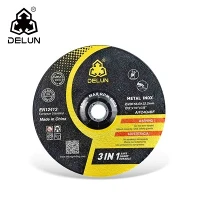
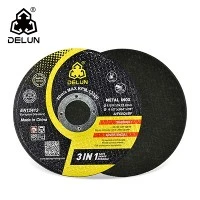
As a supplier of metal cut off wheels, I'm committed to promoting more sustainable practices. We offer a range of products that are designed with the environment in mind. For example, our 115mm 4.5inch DELUN Cutting Disc Abrasive Cutting Discs are made with a higher proportion of recycled abrasive grains, reducing the demand for virgin materials. Our Thin Cutting Discs are designed to be more efficient, requiring less energy to cut through metals, and generating less dust.
Moreover, our Cutting Disc 4inch in High Performance and 4inch Cutting Disc are engineered to have a longer lifespan, reducing the frequency of replacement and ultimately the amount of waste generated. And if you are interested in cutting stainless steel with an angle grinder, our Cutting Stainless Steel with Angle Grinder guide provides valuable information on how to do it in a more sustainable way.
In conclusion, while metal cut off wheels currently have a notable environmental impact, there are clear steps that can be taken to make them more environmentally friendly. As a supplier, I encourage all users to consider the environmental implications of their tool choices. By choosing more sustainable products and adopting proper usage and disposal practices, we can all contribute to a greener future. If you are in the market for metal cut off wheels and want to learn more about our sustainable product range, we invite you to contact us for procurement discussions. We are eager to work with you to find the best solutions for your needs while minimizing the environmental impact.
References
- "Environmental Impact of Abrasive Manufacturing", Journal of Sustainable Manufacturing
- "Dust Control in Metal Cutting Processes", International Journal of Occupational Health and Safety